
Wood can take damage easier than you think. Even hardwood may dent under focused pressure, and grit tracked in from shoes acts like tiny sandpaper on finishes. That slow wear shows up as rubber streaks, dull toe-kick edges, scratched bottom rails, and worn corners where vacuums and shoes hit again and again.
This short guide promises practical steps you can use today. You’ll cut down on scratches and scuffs on furniture bases and protect nearby floors using low-cost habits and simple add-ons that fit busy U.S. homes.
Prevention saves time and money. Sanding or refinishing a hardwood floor or repairing wood furniture takes more time, cost, and disruption than daily protective routines. This article targets the two biggest culprits: gritty shoes and vacuum contact from bumpers, wheels, and hard plastic edges.
You’ll learn a layered defense: pads and rugs first, smarter shoe rules next, then vacuum technique, regular cleaning, and easy DIY touch-ups when marks still appear. You can tailor each step to your room layout and traffic patterns so protection stays practical, not fussy.
Why Furniture Bases Get Scuffed in Busy U.S. Homes
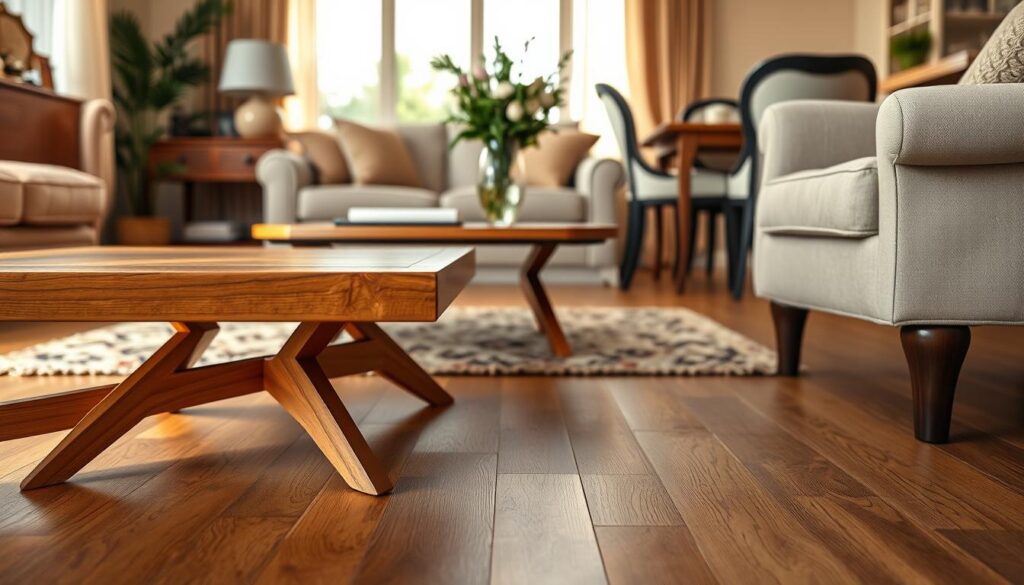
Everyday comings and goings create tiny insults that add up on the bottoms of chairs and cabinets. In many rooms, simple traffic patterns concentrate wear along bases and toe-kicks. That makes these spots more likely to show visible marks and abrasions.
How grit and debris act like abrasives
Dirt and grit can act like tiny abrasives that scratch the surface over time. When particles lodge under an edge or get trapped on a shoe sole, they grind against the finish with each pass.
Why concentrated pressure from footwear matters
Concentrated pressure compresses and tears cellulose fibers in both hardwood and softer wood. High heels and narrow soles create dents, while trapped grit leaves fine scratches.
How repeated vacuum contact wears finishes
Vacuums add another strain: hard bumpers, wheels, and brush rolls repeatedly rub bases. Even without deep gouges, that friction dulls a hardwood finish and causes small scuffs to build up.
- Pinch points—entryways, chair aisles, and narrow hallways—show the fastest wear.
- Controllable variables include reducing abrasives (cleaning, mats), limiting pressure events (shoe choices), and adjusting vacuum technique.
Scuff prevention for wood: Set Up Your First Line of Defense
Begin by protecting the contact points that touch your floor every day. Start simple so the system works even when life gets busy.
Place felt pads on furniture legs and base contact points on day one
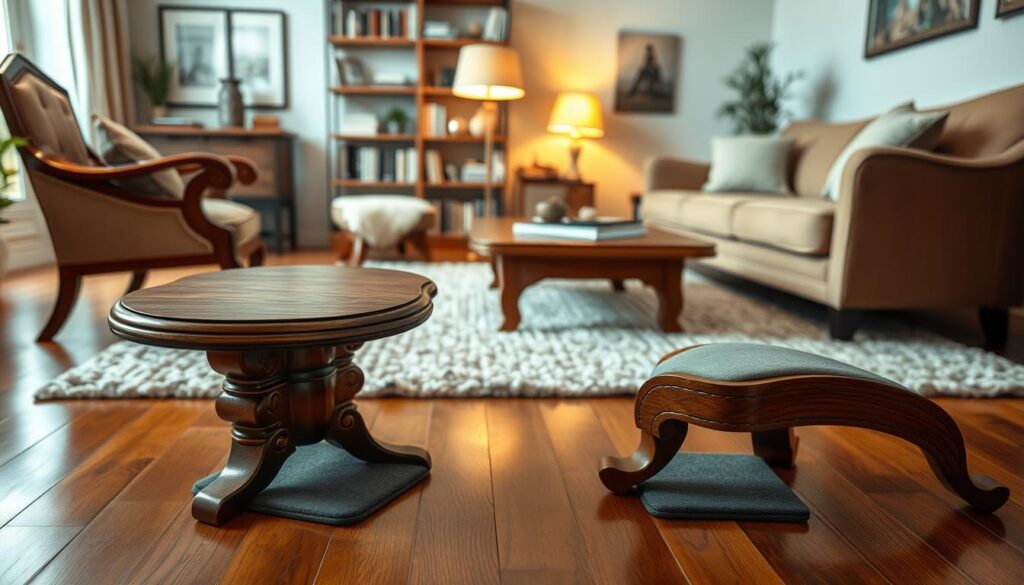
Stick felt pads under furniture legs, under chairs that slide, and on any base that may touch the floor. Clean the surface first so pads stick and don’t trap grit.
Add area rugs, runners, and doormats to capture grit
Use rugs and runners in high-traffic areas near dining sets and entry consoles to intercept dirt before it reaches the flooring. Place a doormat at each entrance to stop tracked-in debris from shoes.
Create a drop zone and pet-proof main paths
Set a small tray or bench with hooks so bags and keys avoid hitting base corners. Trim pet nails regularly and lay a rug runner along your pet’s favorite route to reduce scratches without changing your layout.
- Passive wins: pads and rug coverage protect even when you’re busy.
- Choose pad size so edges don’t trap grit—replace worn pads often.
- Place runners in key areas to protect flooring near furniture clusters.
These simple steps give steady protection and make deeper repairs less likely in your home.
Stop Shoe Scuffs Before They Reach Chair Legs and Baseboards
A small change at the door can stop most shoe-driven marks before they reach chair legs and baseboards.
Adopt a simple, realistic no-shoes system that works in daily life. Place a visible shoe rack, a small bench, and a basket of clean house slippers so guests feel welcome.
Practical no-shoes setup
Keep the spot tidy and stocked. When people sit to remove shoes, they are less likely to pivot and jab chair legs. This reduces dents and marks on hardwood and other floors.
Watch high-risk footwear
High heels and cleats create concentrated pressure points. Those pressure points can dent hardwood and leave scratches near chairs and baseboards. Limit use of these shoes in tight, chair-heavy rooms like dining areas.
Entryway routine to cut grit
- Shake out mats quickly each day.
- Sweep a fast pass at the threshold to remove trapped dirt.
- Pay attention to corners where grit builds up.
Make sure you focus on reducing gritty buildup at entrances. If you change only one habit, this one lowers most damage risks around furniture.
Vacuum Without Marking Up Wood Furniture Bases
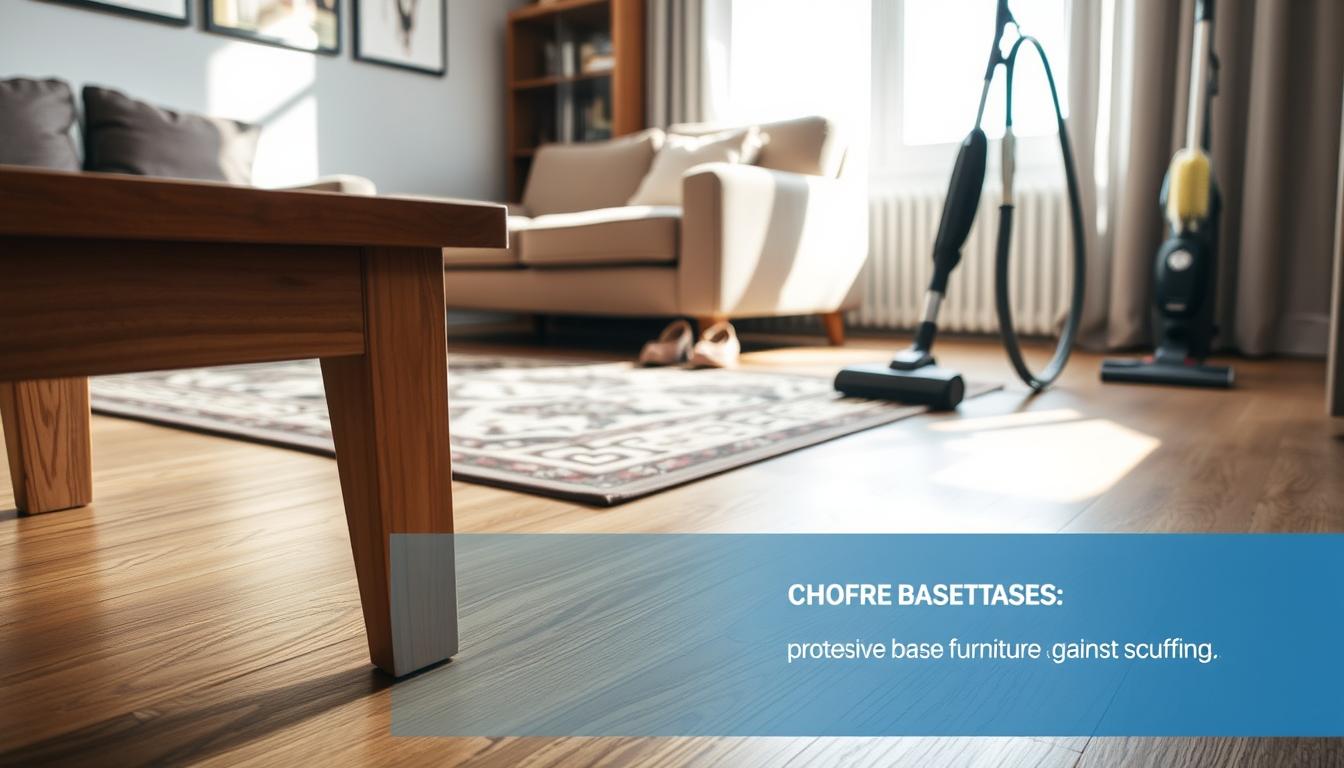
Vacuuming can protect floors—if you treat the machine like a careful tool near baseboards and legs. Use a soft brush attachment on hard surfaces to reduce contact damage when you clean around furniture.
Do not run the main head over visible debris. One trapped pebble or pet kibble can leave long scratches along a base. Sweep or pick up grit first, then finish with the vacuum.
Tool choice and technique
Use the brush or upholstery tool when you approach tight corners and toe-kicks. Soft bristles keep hard plastic edges off the surface and lower the chance of scuffs.
Room-by-room approach
- Scan each room before you start: look for pebbles and loose debris near chairs and rails.
- Slow down at legs and narrow clearances and use crevice tools instead of forcing the main head.
- Keep the vacuum slightly away from the base and make long, parallel passes to avoid rubber or wheel rub marks.
Quick pre-check routine: walk the room, remove obvious grit, choose the soft tool, and then vacuum. This small habit saves finish work later and keeps your flooring and furniture looking better.
Protect Furniture Legs, Chairs, and Bottom Rails the Right Way
Target the contact spots under chairs and rails to cut wear where it matters most. A focused approach saves finish work later and keeps your floors tidy.
Choose the right pads and covers
Match the material to movement: felt pads let chairs slide smoothly, rubber pads add grip, and chair socks cushion constant motion.
Pick pads based on how the piece moves and your flooring type. Use rubber on slippery tile and felt on sealed wood or laminate.
Replace worn pads before they trap dirt
Check high-use chair feet monthly. Replace pads as soon as they flatten, peel, or look dark with embedded grit.
Why it matters: a dirty, worn pad can act like sandpaper and create scratches every time you scoot a seat.
Simple DIY items that actually work
In a pinch, secure an old sock or fabric cover with elastic over a leg to reduce friction. Glue thin wine cork slices to the base of legs to create a low-cost glide.
Place a rug under dining chairs to reduce repeated wear and keep dirt from reaching surrounding flooring.
- Choose durable pads for heavy items and soft covers for frequent movement.
- Inspect dining and desk chairs first—those see the most traffic and wear.
- Replace pads promptly to avoid turning protection into a scratch source.
Move and Reposition Furniture Without Creating Fresh Scuffs
When you move furniture, small habits make the difference between a quick shift and a lasting gouge. Follow a simple routine to keep your hardwood and other floors safe while you rearrange.
Lift, don’t drag
Lift pieces whenever possible. Even small drags can leave deep scratches on wood and hardwood floors. Recruit a helper for heavy items to reduce risk.
Protect the travel path
Use moving pads, folded cardboard, or cloth sliders as quick options. For the best protection, lay quarter-inch Masonite to cover the entire path; contractors favor this when moving across a hardwood floor.
Smart workflow
- Clear grit and debris from the route.
- Lay the protective sheet so it fully covers the path.
- Lift or slide slowly, checking under the piece for trapped particles.
Rotate and reposition items now and then to spread wear over years. A slight shift in placement or rug position prevents one hot spot from taking all the wear and damage.
Clean and Maintain Wood Surfaces So Scuffs Don’t Set In
A steady, gentle cleaning routine protects your floors and furniture over time. Regular care keeps grit from acting like sandpaper against a finish. Small steps now save refinishing work later.
Sweep or dust often. Aim for a quick pass in entryways, under tables, and near chair zones three times a week. This stops dirt and grit from grinding into surfaces.
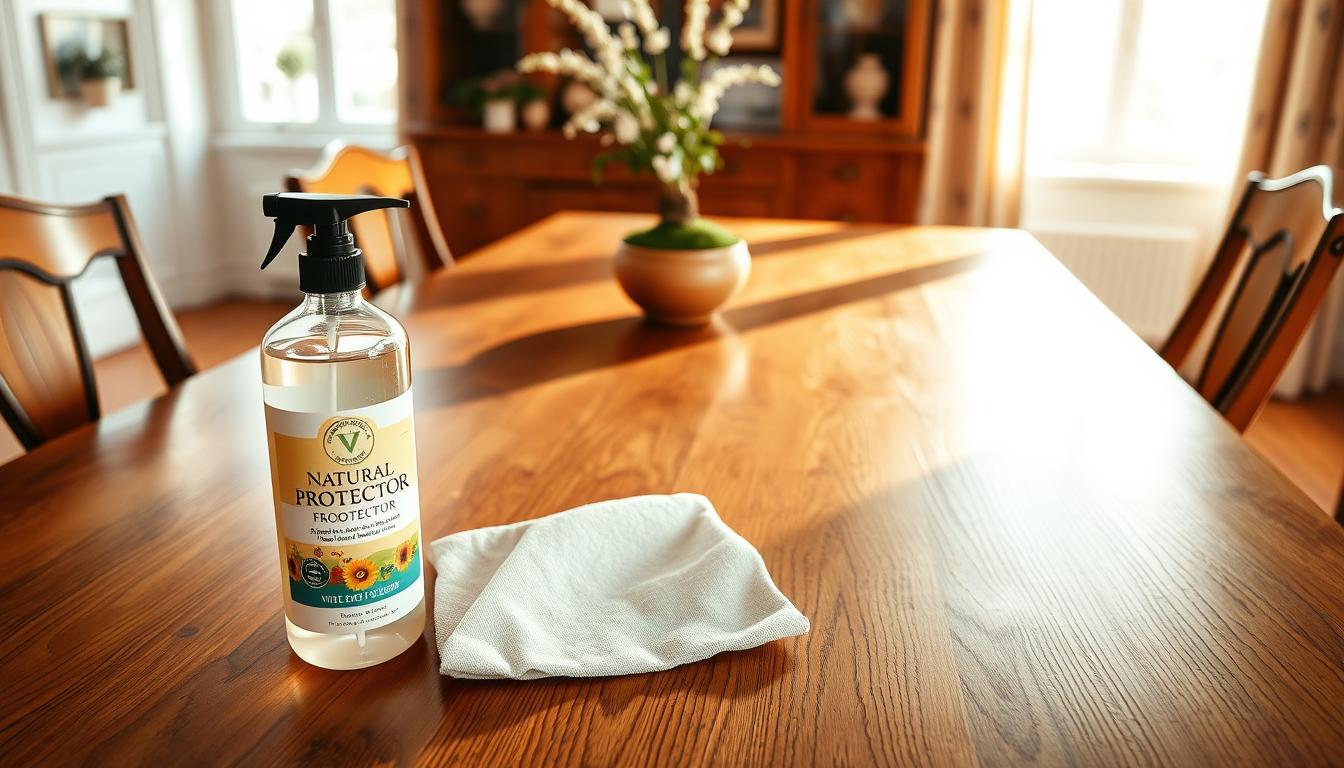
Wet cleaning done right: Use a lightly damp mop and a pH-neutral cleaner made for wood floors. Wring the cloth well so the surface is not soaked, then dry any damp spots promptly to avoid long-term water damage.
- Avoid steam mops and excess water — moisture in seams can soften boards and weaken the hardwood finish over years.
- Polish and condition sparingly; follow the grain and wipe off excess to prevent buildup that attracts dirt.
- Choose silicone-free options like orange oil or beeswax and test in an inconspicuous spot before full use.
Small routine, big results: Consistent cleaning and light maintenance reduce the chance of marks setting in and extend the life of your finish. Use this advice to keep surfaces looking their best over time.
Fix Light Scuffs and Surface Marks on Wood Without Refinishing
You can reduce the look of small scratches using simple kitchen and household items. These are quick, low-risk ways to blend light marks and lift rubber residue without sanding or a trip to a shop.
Walnut oil blending
Rub a walnut meat over minor scrapes to deposit natural oil and fill the groove. Work with the grain, then buff lightly with a soft cloth to blend the tone.
Coffee paste for darker tones
Mix about 1 teaspoon water with 2 tablespoons used coffee grounds to form a paste. Apply to light scratches, let sit several hours, then wipe excess. This masks scratches on darker finishes without harsh chemicals.
Lift rubber marks with a tennis ball
Attach a clean tennis ball to a broom handle and rub gently over rubber marks. The soft friction lifts residue without pressing hard on the surface, so you avoid creating new damage.
Crayon fill and buff
Match a wax crayon to the tone and color over small scratches. After filling, buff with a soft cloth to soften edges and make the repair less visible.
Baking soda spot-clean
Make a paste of baking soda and a little water, apply briefly, then scrub gently. Rinse the cloth and wipe dry. Stop if the finish dulls and test in a hidden spot first.
- Quick scope: these techniques treat surface marks, not deep gouges.
- Do small touch-ups early—this saves time and helps pieces look better for years come.
- Use minimal water and gentle pressure to protect the finish and prolong the oil layer.
Conclusion
Focus on simple habits that block grit, cut friction, and limit accidental hits. Use mats at entries, quick sweeps in high-traffic areas, and felt pads on chair feet to reduce wear on furniture and wood floors. These layered steps protect your hardwood and extend finish life without costly work.
Start with three high-ROI actions today: add pads to furniture, place a rug in your busiest area, and change your vacuum approach near bases. Tailor each plan by room—entryways need shoe and dirt control, dining areas need chair care, and pet zones benefit from trimmed nails and runners.
Make sure you keep a simple rhythm: quick sweeps, monthly pad checks, and seasonal repositioning. Small, steady steps save time and stop most visible damage so your flooring and furniture look better for years.