
You’re comparing linseed and tung oil to protect raw wood and light finishes. This short guide sets expectations so you can decide what “better” means for your project.
Start by weighing appearance, drying time, yellowing, and real-world protection. Both options give a hand-rubbed look and enhance the grain. They usually won’t match varnish or lacquer for durability, but they’re easy to repair.
Look at labels to spot “pure” versus “boiled,” and beware blended products. Knowing what to check on a product label helps when you shop in the United States, where terms like tung and Danish vary widely.
This article will cover proper use for furniture and kitchen items, humidity and scratch resistance, maintenance schedules, and how to choose the right type for your needs. You’ll get practical information to make a fast buying decision without wading through ads.
What an Oil Finish Can Realistically Do for Raw Wood Protection
Before you pick a finish, understand exactly what an oil-based treatment will and won’t protect on a raw surface.
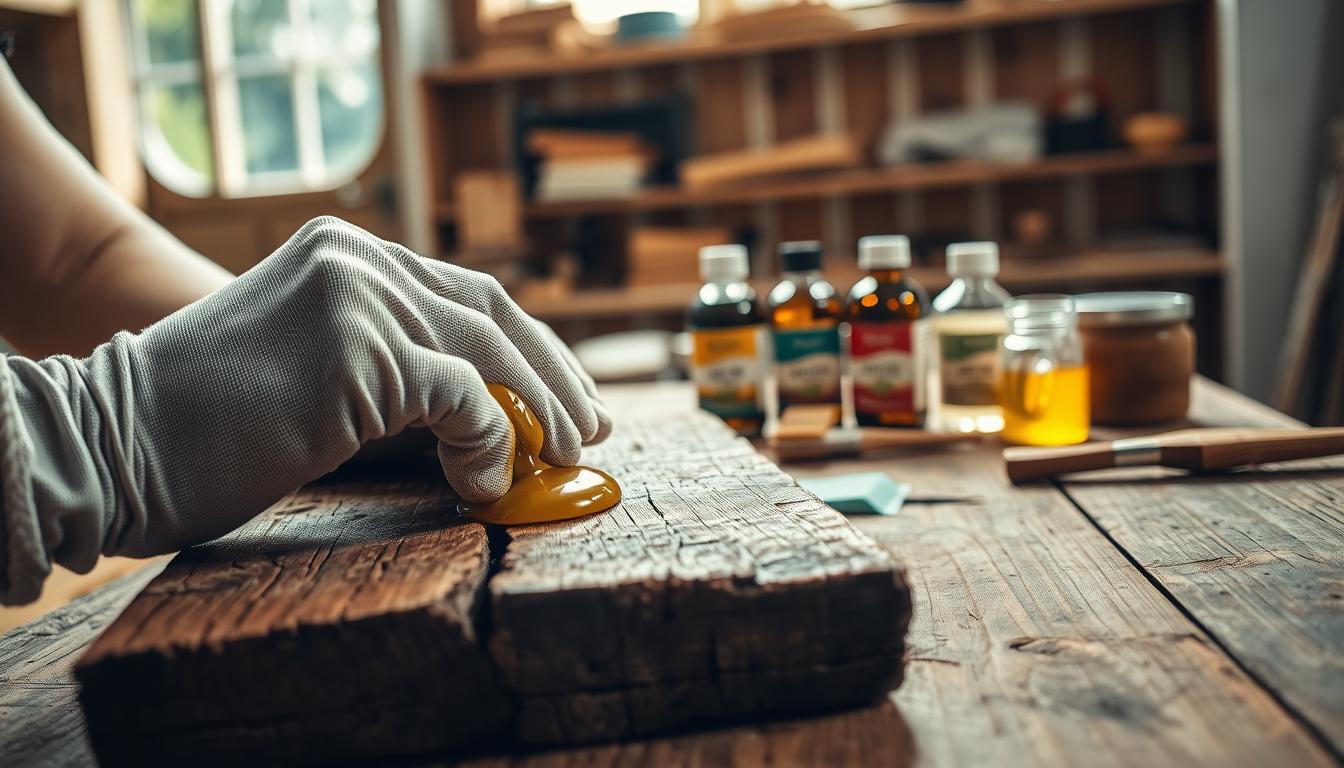
An oil finish soaks into the grain instead of building a thick film on top. That penetration deepens color, brings out figure, and keeps a natural, tactile feel.
Expect modest protection: light wear, minor moisture moderation, and reduced surface scratching. Oils make the surface easier to repair with spot reapplication.

Where oils fall short
They do not stop standing water rings, heavy abrasion, or chemical spills the way varnish or lacquer can. Those coatings form a tougher barrier for long-term protection and abrasion resistance.
High-contact use and food-safe concerns
If the piece sees frequent contact—hands, dishes, or spills—you’ll either need more frequent reapplication or a stronger finish system.
For kitchen and home items that touch food, choose a non-toxic, food-safe product and follow curing times. Food-safe is about both ingredients and a fully cured surface, so read labels carefully before use.
- Practical trade-off: easier renewal and a natural look vs. lower maximum durability.
- Decision tip: once you accept these limits, pick between linseed and tung based on dry time, clarity, and long-term color.
Linseed Oil for Wood Furniture: Finish, Drying Time, and Safety
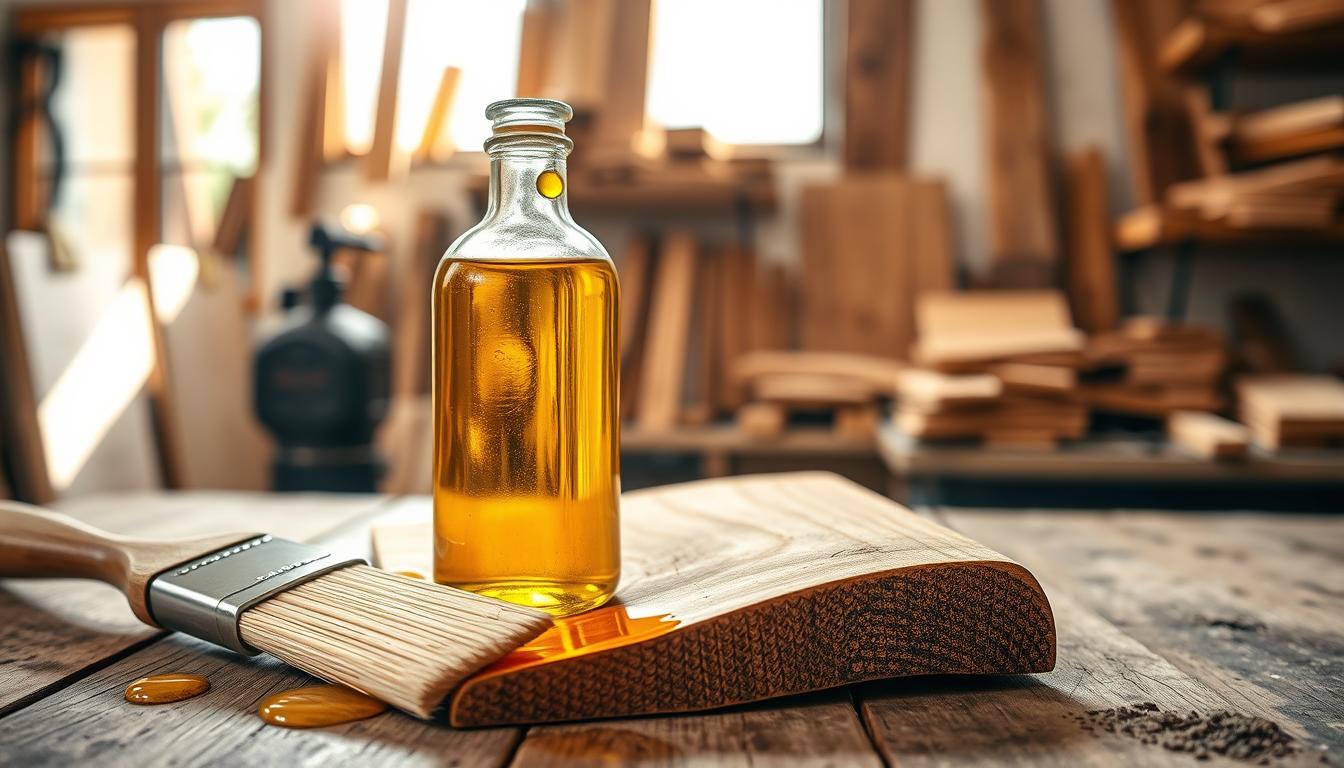
Linseed oil (flaxseed oil) soaks deep into the grain and gives a warm, satin finish that feels hand-rubbed. You get a natural look and modest protection against small scratches and humidity swings.

Raw vs. boiled vs. polymerized
Raw linseed oil is pure flaxseed oil. It’s non-toxic but very slow to cure—often weeks per coat.
Boiled linseed oil dries faster because makers add chemical driers. That speeds project time but raises safety and odor concerns.
Polymerized linseed oil is heat-treated to dry quicker while keeping a cleaner ingredient list. It’s a middle ground for faster results without added metallic driers.
Drying, daily use, and long-term look
Expect long cure times with raw linseed; plan extra time before full use. Boiled products let you recoat sooner.
The finish helps moderate humidity and reduces minor surface wear, but high-traffic tops will still need regular refresh coats.
Over years the finish tends to yellow: oak warms to golden tones, walnut deepens, and teak gains richer depth.
- Label tip: check for added driers if you need faster dry time.
- Buyer guide: pick linseed if you like a warm, traditional tone and don’t mind maintenance; choose tung for clearer, less yellowing results.
Tung Oil for Wood Furniture: Clarity, Durability, and Label Pitfalls
If you want a bright, natural look that stays stable over years, tung is a top choice. Tung oil soaks into the grain, dries fairly quickly, and keeps a clearer tone than many alternatives.
Why pure tung oil stands out: It enhances figure without heavy ambering, is eco-friendly, and is generally non-toxic and food-safe once cured. That clarity is why many woodworkers use it for fine pieces.
Durability, realistically: As a penetrating finish it improves wear resistance compared with raw surfaces, but it does not form a thick film to resist standing water or severe abrasion like varnish.
How to avoid mislabeled products
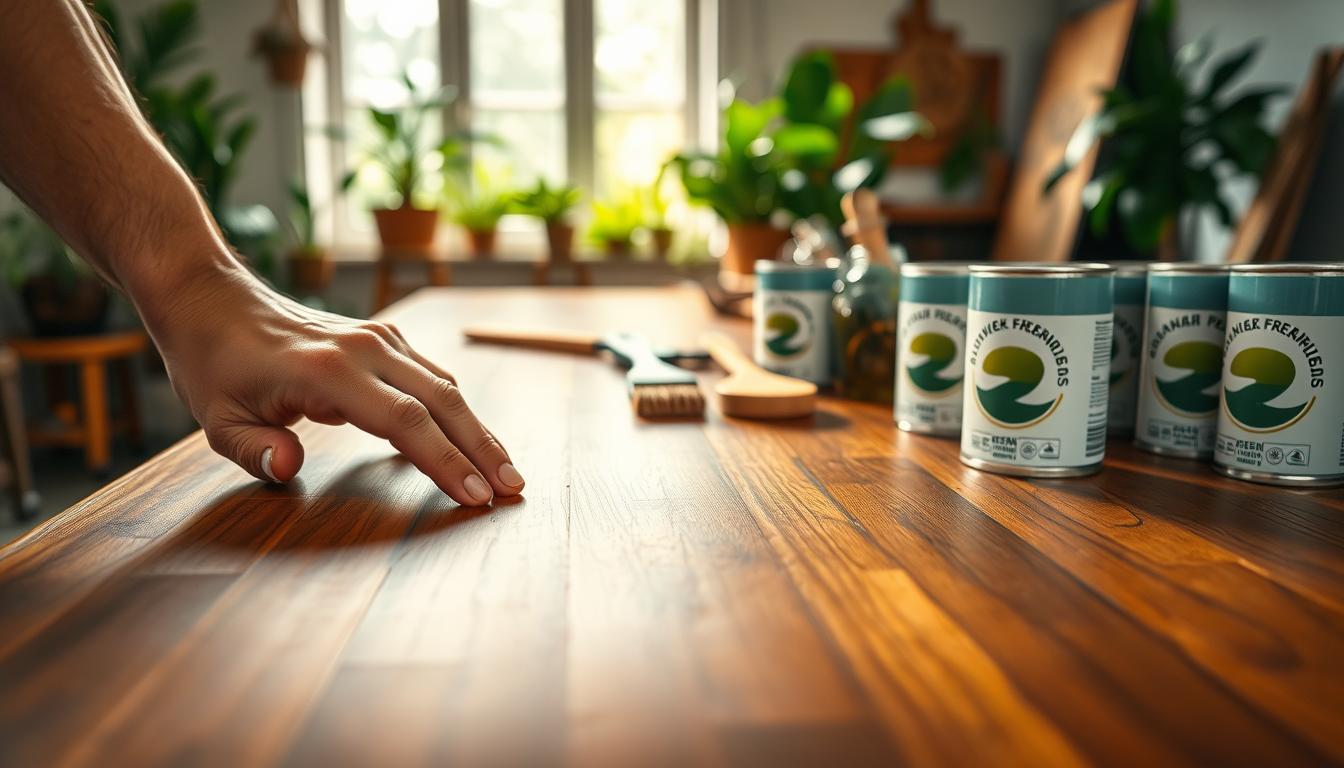
Look for labels that list only tung or state “100% pure.” Beware of marketing terms like “tung oil finish” — those often hide varnish, solvents, or small tung percentages. Read ingredient lists and directions before you buy.
- Expect clearer, less yellowing results over years compared with linseed.
- Confirm “pure tung oil” or check brands—Real Milk Paint sells genuine pure tung options.
- If you want maximum clarity and repairability, buy the real product and follow cure times.
Choosing Wood furniture oils: How to Pick the Right Product for Your Use Case
Decide what matters most—food safety, water resistance, or ease of repair—before you buy. That choice narrows which product family fits your project.
Kitchen items vs. furniture
For cutting boards and utensils, mineral oil or walnut oil often makes more sense. They are food-safe and easy to refresh after washing. They won’t give the long-term film protection used on daily-use tops.
Danish oil varies widely
The term danish oil is not a single formula. Some mixes add varnish or driers, which boosts water resistance but changes repairability and feel. Always read the label to know what you’re buying.
Label cues and application basics
- Look for explicit claims: “water resistant” or “protects from desiccation.”
- Wipe clean with a damp cloth, apply thin coats with the grain, and treat both sides of tabletops.
- Thin coats and extra drying time reduce tackiness and dust traps.
Maintenance triggers and an example
Refinish when patches look dull, water soaks in faster, or the surface feels rough. For a maintenance-focused option, try Master Cabinetmaker’s Wood Oil (Copenhagen). It’s turpentine-free, water resistant, and made for teak, oak, walnut and more. Apply thinly with a lint-free cloth or sponge, repeat after two hours on absorbent wood. SKU KEMI-WDOIL-20OZ, 20 oz (~$25). Prices and stock vary.
Conclusion
Let your routine and tolerance for upkeep decide which finish you buy.
If you want a warm, traditional look and accept longer cure times and some ambering, linseed fits. If you want clearer tone and less color shift, pure tung often wins—but only when it’s truly pure.
Match the finish to how you use the piece: decorative pieces need less protection than high-traffic tops or kitchen items that contact food.
Beware vague labeling. Terms like “tung oil” or “Danish” can hide solvents, varnish, or blends that change dry time and protection.
Quick filter: check ingredients, confirm cure times, verify water-resistance claims, and pick the product that fits your maintenance tolerance. Refresh thin coats before the surface looks dry or uneven.
You now have the clear information to choose an oil finish that suits your wood, your timeline, and the level of protection you expect.