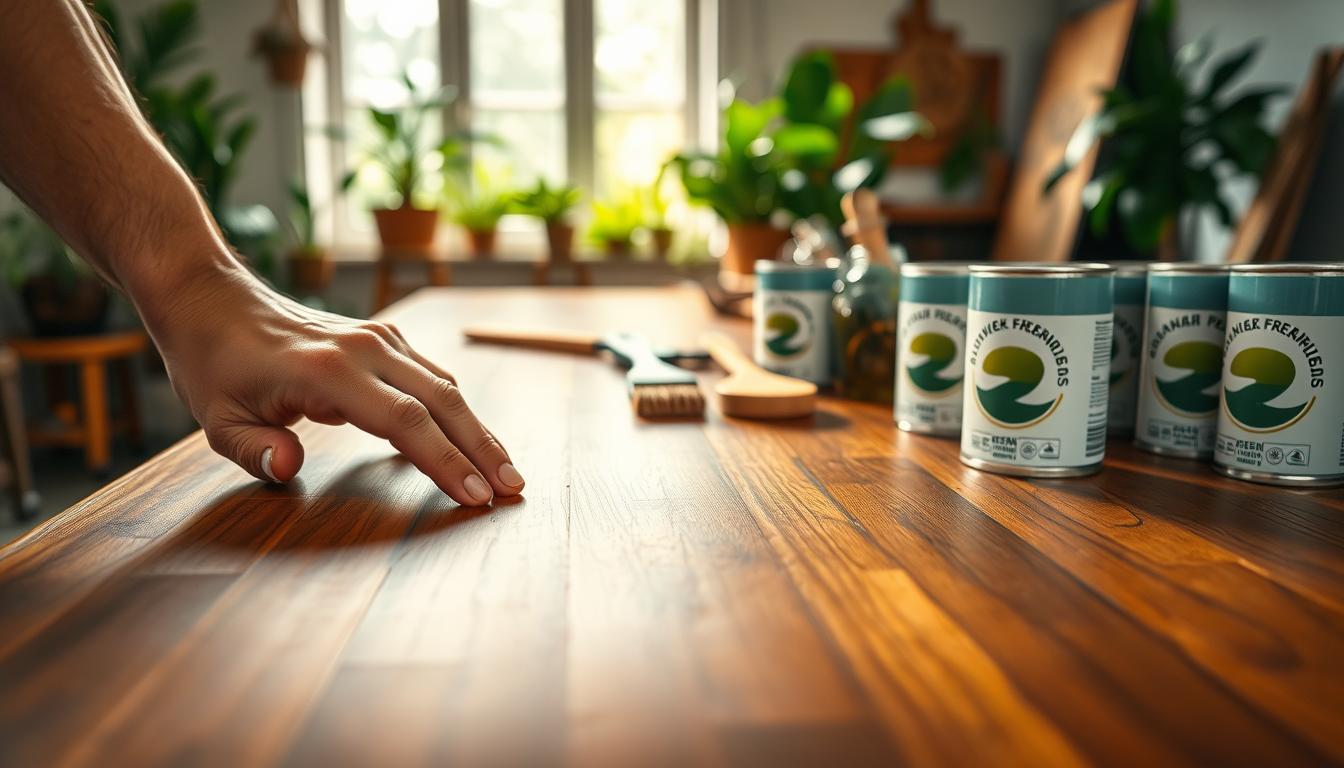


You might wonder when a simple wipe and coasters are enough and when you need a dedicated cover. This section defines indoor protective layers and helps you choose the right solution for everyday life in your home.
Think of a good cover as a practical shield: it keeps surfaces cleaner, cuts down on scuffs, and guards finishes from light and contact. It also reduces the chance you’ll need costly refinishing later.
Not all protection is equal. Breathability matters indoors—fully waterproof fabrics can trap moisture and invite mold. Look for water-resistant yet breathable materials that let trapped damp escape.
This page focuses on real buying choices: fit, material, and ease of use. You’ll learn where a cover matters most, what common threats to expect (dust, spills, scuffs), how to measure, and top picks so you buy once and get it right.
Shop smart: use return windows and warranty length—like 30-day returns or up to a 10-year warranty—as confidence signals before you commit.
When Indoor Wood Furniture Covers Make the Biggest Difference
Where people gather, wear and tear accelerates — and simple protection pays off.

High-traffic rooms like living areas and dining zones see more spills, bumps, and quick abrasions. In open layouts, one stray cup or a dragged chair can mark surfaces fast. A well-fitted cover helps lower those daily risks.
Homes with kids and pets
Young children and animals bring crumbs, markers, and muddy paws. You can plan for those predictable messes by using easy-clean covers that stay in place during rough play.
Sunlit rooms and seasonal storage
Direct sunlight near big windows exposes finishes to UV year long. That can cause uneven fading on tabletops and armrests.
For guest rooms or stored pieces, breathable covers block dust while letting moisture escape. Remember that indoor needs differ from an outdoor space or patio; weatherproofing matters outside, while breathability matters inside.
- During renovations, cover a dining set to avoid dust.
- Wrap a side table for moving to protect edges.
- Use a sofa cover in allergy season to cut down on dust and dander.
Next: the types of damage you want to prevent indoors and how to spot them.
What Furniture Covers Actually Protect Against Indoors
Everyday mishaps—dust, drips, and nudges—add up faster than you expect. A well-chosen cover helps stop slow damage and daily messes before they demand costly touch-ups.
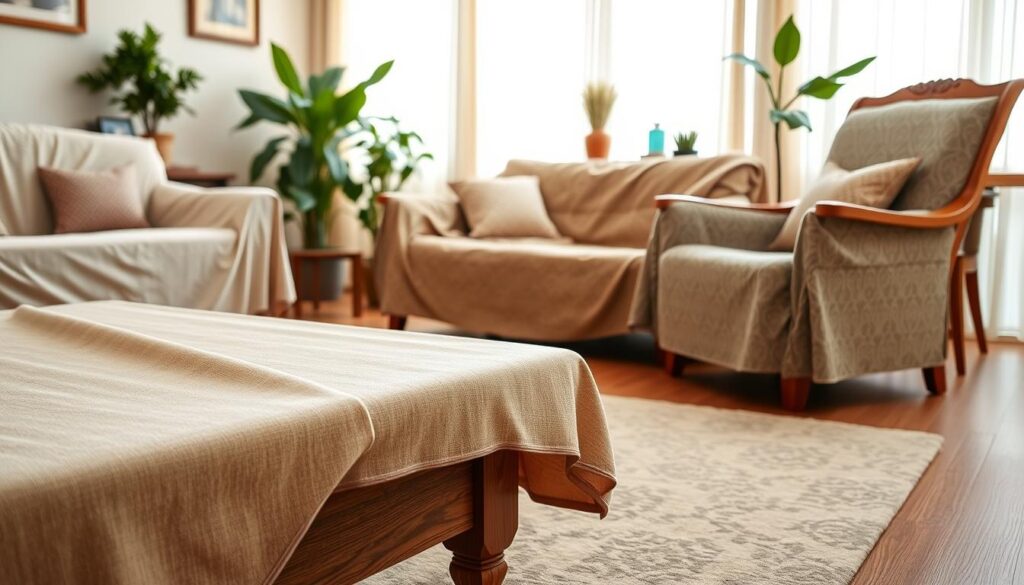
Dust buildup acts like fine sandpaper over time. It dulls grain and finish, raises how often you clean, and can create tiny abrasions when wiped repeatedly.
Spills and sticky residues
Tabletop incidents are common: water rings, coffee drips, takeout grease, and craft glue. A quick-on cover blocks most spills so you can wipe up without harming the surface below.
Scuffs, bumps, and traffic wear
Chairs nudging edges, vacuums hitting corners, and tight walkways cause scuffs. A targeted cover reduces surface wear at vulnerable points like seat edges and table rims.
- What it can do: reduce surface wear, cut cleaning time, and prevent many stains.
- What it won’t do: fix existing finish damage or stop heavy impacts that dent structure.
- Best practice: pair a cover with coasters, felt pads, and lifting rather than dragging chairs.
Note that full-coverage options block dust and scuff points more completely than partial wraps. Protection performance then depends on breathability, water resistance, and construction—so material choice matters next.
Breathable vs. Waterproof: Choosing the Right Cover Material for Your Home
A smart material choice balances spill protection with airflow. A water-resistant, breathable option shields against quick drips while letting humidity escape. That combination works best for everyday indoor use.
Why water-resistant and breathable beats fully sealed options
Fully waterproof fabrics can trap condensation under a sealed layer. Over time that trapped moisture creates mildew, odors, and finish issues even indoors.
When trapped moisture becomes a problem
In humid regions, basements, or rooms with poor airflow, condensation builds faster. A sealed barrier holds that damp next to the surface and can harm finishes and seams.
- Look for: breathable mesh vents and airflow panels in the listing.
- Indoor rule of thumb: everyday use = breathable + water-resistant; long-term storage = breathable + dust-tight fit.
- Outdoor note: patio and weather-rated outdoor furniture covers emphasize full weather protection; indoors choose softer, less bulky textiles.
Spill protection is real but limited: water resistance gives you time to wipe promptly. Finally, no material helps if the fit is loose or pools against edges — measure before you buy.
How to Measure for a Secure Fit on Tables, Dining Chairs, and Sofas
Start with a tape measure—accurate dimensions stop guessing and returns. First pick the cover style you want, then match your numbers to the closest product size or order a custom size from Coverstore if needed.
Measuring a dining table and table chairs set
Checklist: length, width, height, and any overhang. If you want one cover for a full set, record the tallest point (usually chair backs) and the widest span when chairs are pushed in.
Finding the right size for sofas, loveseats, and chairs
For a sofa or loveseat, measure overall width, back height, and arm height. For a single chair, measure seat width, back height, and depth so the chair cover won’t ride up.
Fit features that keep a cover snug
Look for adjustable buckle straps, auto-locking drawcords, and ties that anchor under frames. These features matter indoors—pets and kids can shift loose fabric.
When custom sizing pays off
Choose custom sizing for oversized cushions, built-in banquettes, or odd silhouettes. Try-on plan: measure, test-fit, cinch straps, then check movement for a few days before finalizing product picks.
Wood furniture covers: Top Picks for Indoor Protection
This compact guide highlights top choices so you get the protection you need fast.
How we picked top items: breathable construction, a secure fit, easy handling, and practical features for daily life. We also looked for mesh vents, water-resistant finishes, and designs that extend life without trapping moisture.
Best overall: breathable polyester that stays put
Polyester options offer lightweight durability and easy care. You get a stable drape plus anti-slip straps or drawcords so the cover stays put during use. These choices balance spill resistance with airflow.
Best for dining: table protection and chair-back coverage
Look for smooth panels that shield the table surface and full-back skirts for chairs. Spill resistance and neat seams make cleanup simpler after meals.
Best for seating and single pieces
For sofas and loveseats, pick a non-slip design that protects zones people touch most. A sofa cover or loveseat cover with reinforced straps works well.
Best for storage
If you plan to leave a piece covered for months, choose breathable fabrics with vents to avoid trapped damp. Check fit and fastening points before long-term use.
- Buying notes: confirm dimensions, test securing points, and pick fabric weight that fits how often you remove the cover.
- Brands to consider: Coverstore, Teak Warehouse, and Plow & Hearth for breathable, snug designs.
Next, learn how to match cover style to each furniture type so you don’t buy twice.
Best Cover Styles by Furniture Type (So You Buy Once)
Choosing the right style starts with how you use each piece: daily dining, pet play, or hosting. Pick a style that matches real use so you avoid buying replacements later.
Dining table protection for everyday use and special events
For daily dining, choose a thin, wipeable top layer that resists spills and wipes clean fast. It should lie flat and not shift during meals.
For parties, pick a heavier, more protective option that adds spill insurance and hides blemishes. Think of an extra layer you only use for hosting.
Chair cover options: fitted vs. relaxed styles
Fitted chair cover styles work best for formal dining chairs because they stay put and look tidy.
Looser protectors suit upholstered seats; they trade a tailored look for easier removal and gentle cleaning after messes.
Sofa and loveseat protectors for pet hair and wear
Look for slip-resistant designs with straps or anchors so the protector stays in place when you sit or pets jump up.
Choose dense weaves that block hair and resist claws while still feeling soft under cushions.
Full-set solutions for a unified room look
A full-set approach simplifies measuring and gives a consistent aesthetic across a living or dining area. It also makes care routines uniform.
Many people borrow ideas from outdoor furniture gear—like secure straps and heavier fabrics—but pick indoor-friendly textiles that breathe and look good in your space.
- Buy-once checklist: measure first, confirm attachment method, pick breathable materials, and match style to your cleaning habits.
- Quick tip: choose products listed under pet supplies & accessories or set-style listings (round or rectangle/oval) when you want unified protection.
What to Look for in Quality Covers: Materials, Construction, and Durability
Before you buy, learn how material specs and seam details signal long-term performance.
Start by checking fabric weight and denier. Higher denier usually means tougher polyester that resists tears and abrasion. Coverstore recommends 600–900 denier for winter-grade outdoor weather, so use those numbers to compare toughness even for indoor use.
Polyester performance and why denier matters
Denier measures fiber thickness. A higher number gives a stronger weave that handles frequent removal and tight spaces. For most indoor needs you don’t need extreme patio-grade strength, but aiming for mid-range denier helps the cover last.
Reinforced seams, abrasion resistance, and edge binding
Look for reinforced seams, tidy edge binding, and extra stitching at strap points. These details stop fraying where fabric rubs corners or chair arms.
Easy-care finishes for quick wipe-downs after spills
Pick a water-resistant, breathable finish that wipes clean and won’t hold odors. Breathability is a quality feature: vents or open weaves reduce trapped moisture and musty smells.
- Check for denier numbers and material callouts on product pages.
- Inspect photos for seam close-ups and fastening systems.
- Confirm return policy and warranty before you finalize a purchase.
Value Checks Before You Buy: Warranty, Returns, and Everyday Practicality
Test the fit in real life, not just in photos. Use the return window to confirm the size, straps, and breathability work in your home. This step saves time and money when you shop a sale or compare brands.
Return windows and trying a cover at home
Order the closest size and try it in place for several days. Check how it holds up when people sit, pets jump, or chairs slide.
Tip: Coverstore’s 30-Day Returns gives a clear benchmark for what a confident company offers.
Long warranties as a signal of durability
Longer warranties often indicate stronger materials and better stitching. Compare warranty length and read the fine print to see what is covered.
Benchmark: Coverstore lists up to a 10-Year Warranty, which you can use to judge other brands.
Balancing price vs. protection when you’re shopping a sale
On sale items, put fit and breathability first. Then check seams, straps, and reinforcement so your buy still performs after repeat use.
- Use the return window: test fit at home and confirm it stays secure during daily movement.
- Compare warranties: longer terms often mean better materials and construction.
- Price vs. protection: on a sale, prioritize fit and breathability, then durability features.
- Online checks: confirm measurements, what’s included, care instructions, and scroll the product page for specs. If the page is blocked or won’t load, try disabling extensions or refresh the view.
- Shortlist: compare return policy, warranty length, breathability/venting, and securing features before you commit.
Bottom line: value is more than a low price. It’s the piece you can live with and rely on for years.
Conclusion
A snug, breathable shield preserves finish and keeps upkeep simple across busy rooms. For dust, spills, scuffs, pets, and sun in your home, a well-fitted cover is often worth the investment. Teak Warehouse and Coverstore both stress a secure fit and breathable, water-resistant fabrics for long-lasting protection.
Pick the right style, measure for size, and favor straps or drawcords that hold the piece in place. Start by protecting one or two high-use items—a dining table and seating—then expand after you confirm fit and function.
Many lessons from outdoor furniture covers—durable seams and secure fastenings—translate indoors without patio weatherproofing. Compare warranty and returns, confirm specs on the product page, and if the page won’t load, try disabling extensions so you can view full details.
Bottom line: a well-chosen cover preserves finish year long and cuts routine cleaning and repairs.