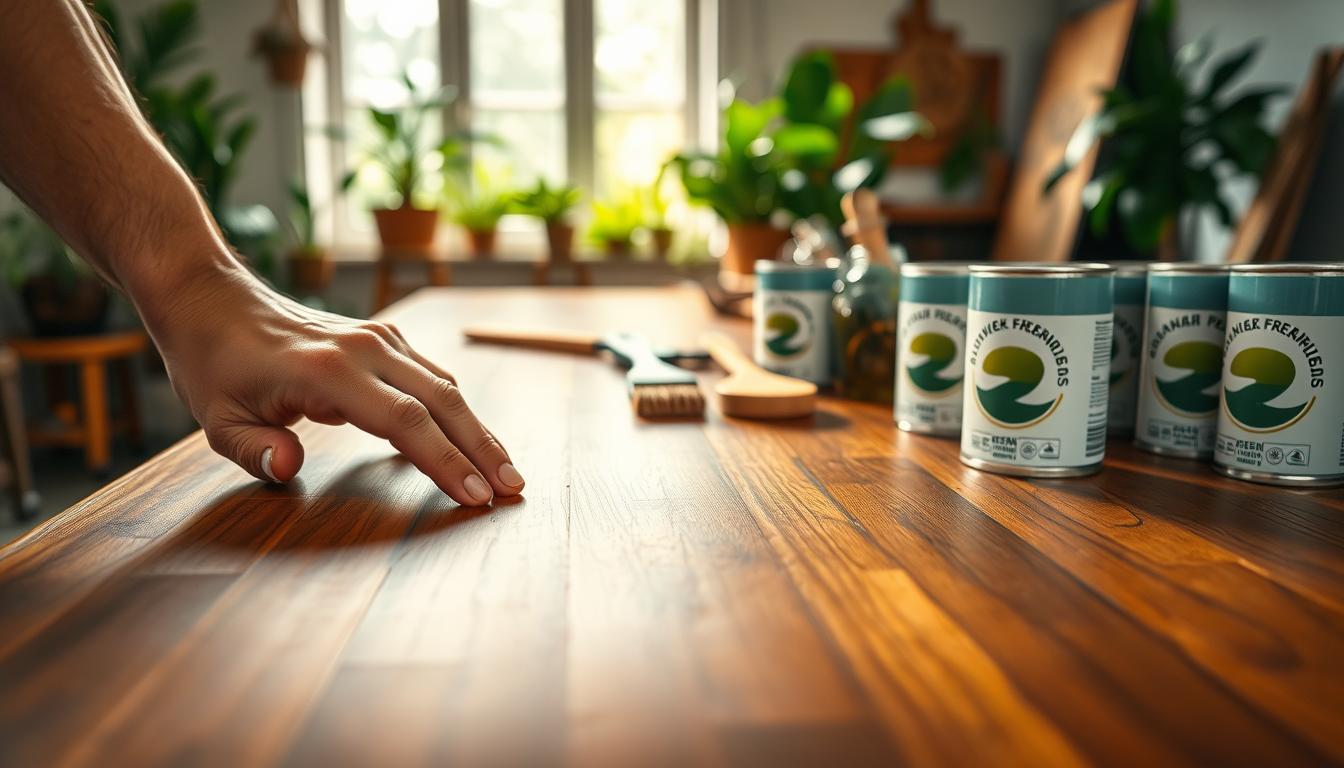

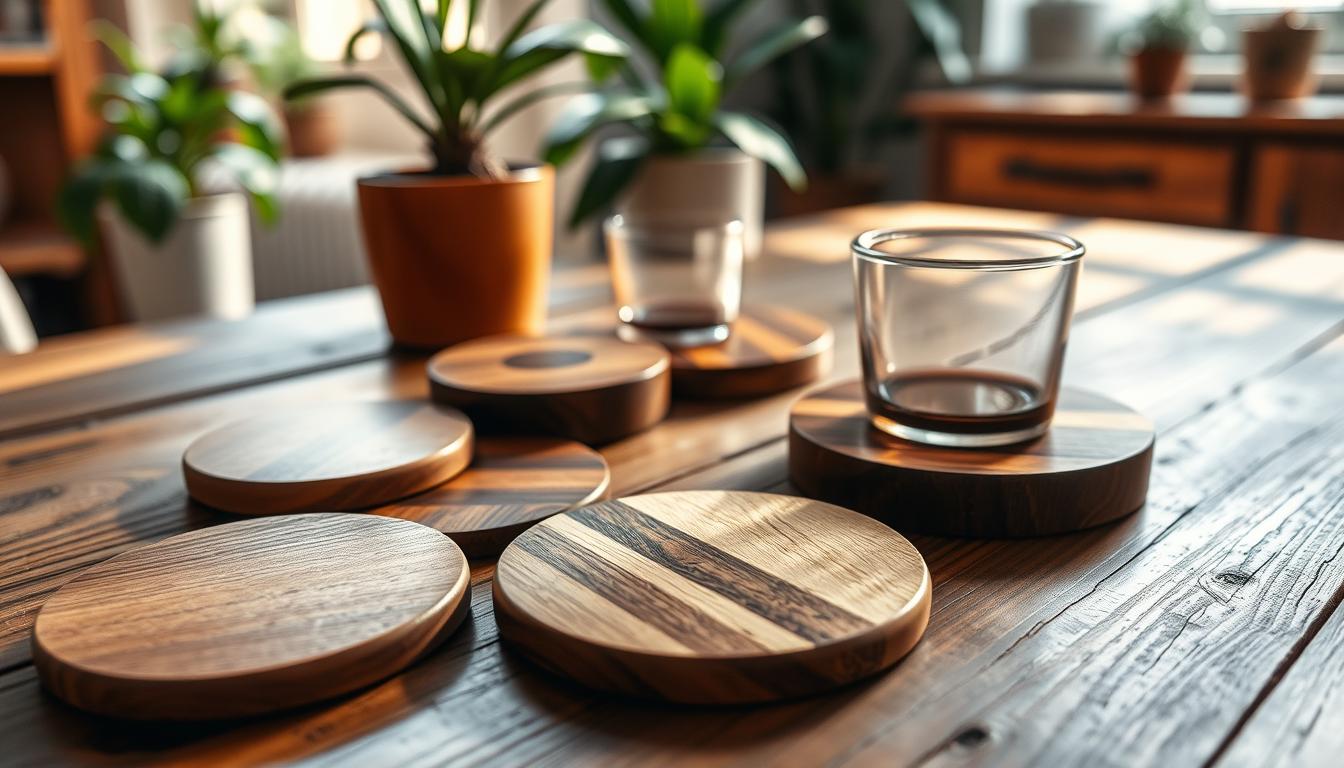
Your floors do more than look good — they carry daily wear. Simple pads that sit under leg points protect hardwood floors by spreading weight and cutting down dents. This is real protection, not just decor.
The right pads also stabilize heavy furniture and add a non-slip base so pieces don’t shift and scratch. They make moving items easier and reduce long-term wear on both the item and the surface beneath it.
In this guide you’ll see how different materials perform — felt, rubber, plastic, and combos — and which offer glide vs. grip. You’ll learn to match pad material and size to your floor type, item weight, and how often you move things.
Who benefits most? Anyone with heavy pieces, frequently moved chairs, or high-traffic rooms where floors take repeated impacts. We’ll also cover sliders for moving heavy items safely, since sliders and pads solve different problems.
Why coasters matter for wood protection in your home
Small protective pads stop daily movement from turning into visible damage on your hardwood floors and other floors. They block scrapes, scuffs, and dulling before those marks need sanding or repair.
Common damage patterns include surface scratches from micro-movements under legs, scuffs from shifting bases, and finish dulling where friction repeats. These start small but grow with time.
How floor protectors work: instead of direct contact between a hard leg and the floor, your floor meets a softer or smoother protector. That barrier layer reduces abrasion and slows finish wear.
- Weight distribution matters: heavy pieces focus force on tiny footprints and raise dent risk.
- Example: a heavy furniture leg under a sofa can form a visible indentation if the protector is too small or thin.
- Other flooring types—laminate, vinyl, tile—also scratch or stress at seams without proper protection.
Long-term gain: reducing friction and impacts lowers wear on both the base of your furniture and the floor finish, saving you repair costs over time. The best protector depends on your specific flooring type and how each item is used.
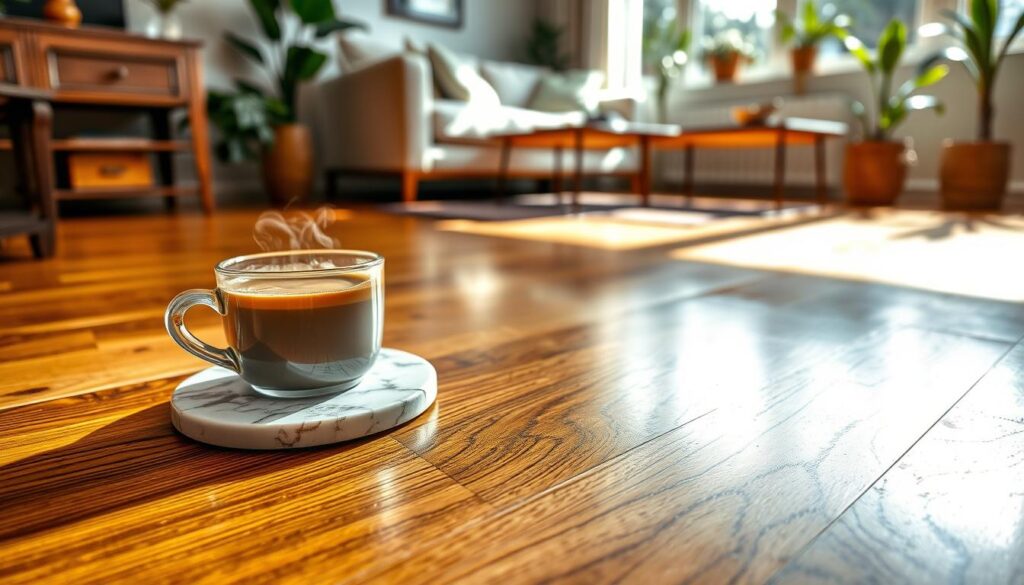
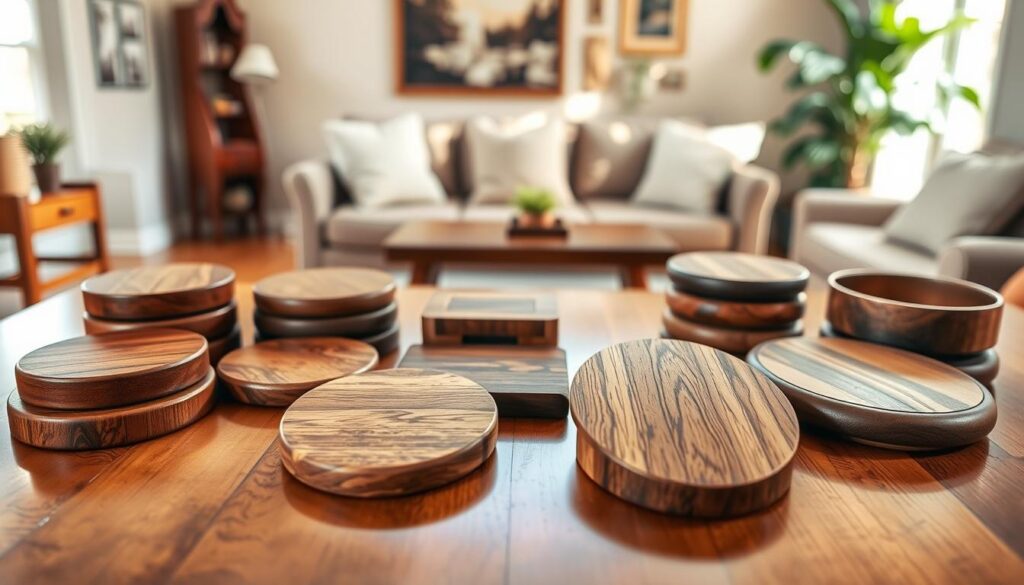
Wood furniture coasters: the top picks for hardwood, tile, vinyl, and laminate
A smart protector matches material, size, and grip to the flooring and the load it carries. Below are four performance-focused picks so you can match each item to the best option for your hardwood floors, tile, vinyl, or laminate surfaces.
Best overall for hard flooring protection and everyday use
Why choose it: a felt furniture contact surface prevents scratches while durable backing supports regular chair and table movement. Look for medium thickness and a balanced surface area for glide on hardwood and laminate.
Best for heavy duty furniture and weight distribution
Why choose it: thicker, wider pads spread load to cut dent risk. Seek duty-rated options sized to cover the leg footprint for sofas, beds, and cabinets.
Best non-slip option for stability on smooth floors
Why choose it: rubber-forward or combo designs prioritize grip so items don’t drift. These are ideal for media consoles and busy rooms where safety matters.
Best value pack for protecting multiple items at a good price
Why choose it: multi-piece sets let you outfit several chairs or tables at a lower price per piece. Choose common diameters and neutral finishes like beige to blend with legs.
- Details to evaluate: material stack (felt/rubber/plastic), thickness, surface area, floor compatibility, glide vs. grip.
- Match the pick to the item: dining chairs need smooth movement; a heavy console benefits from non-slip stability.
- Consider adhesive strength and plan to inspect and replace pads as needed.
Best furniture sliders for moving heavy furniture without floor damage
When you need to slide a heavy piece without scuffs, specialized sliders make the job quick and safe. Sliders are built to reduce friction while protecting hardwood floors, laminate, tile, and vinyl during moves.
X-Protector hardwood floor sliders for effortless moving and reusable protection
The X-Protector Hardwood Floor Sliders prevent scratches and scuffs and cut the effort needed when rearranging. They work on hard flooring and come in various shapes, sizes, and colors to match legs and décor. They’re reusable, so movers can store and reuse them for cleaning or redecorating.
Where sliders outperform pads and traditional floor protectors
Use sliders for large, heavy pieces and when you need controlled gliding. Pads focus on day-to-day stability; sliders focus on moving with less force and lower risk of gouges.
Using sliders safely on hardwood, laminate, tile, and vinyl flooring
- Clear debris first and lift slightly rather than drag.
- Center the slider under each leg and move slowly to avoid seams catching.
- Check edges during the move to prevent sudden snags.
Choosing shapes, sizes, and colors to match legs and home
Pick round, square, or rectangular shapes that match leg geometry. Use inch-based sizing for proper load distribution and select colors that blend into your home. These simple details help protect your furniture floor and save on repair costs.
Choosing the right material for your floors and furniture
Material choice determines whether your pads glide, grip, or silently cushion every move.
Felt for gentle cushioning and smooth sliding
Felt is the go-to when you want soft contact and easy chair movement. Felt furniture pads cushion feet, reduce scratches, and help chairs slide smoothly across hardwood floors.
Rubber for grip, noise reduction, and stability
Rubber shines where you need non-slip hold and lower noise. It keeps heavy pieces from drifting and cuts scraping sounds on smooth surfaces, making it ideal for high-traffic rooms.
Plastic for gliding and durability on hard floors
Plastic options prioritize low friction and long life. Use plastic pads when you need frequent repositioning or when softer materials wear too fast under heavier duty loads.
Combo designs: balance protection and traction
Layered pads pair felt and rubber to give you cushioning plus controlled movement. These hybrids are useful when you want glide plus enough traction to prevent unwanted shifts.
- Key details to watch: thickness, density, edge finishing, and floor compatibility.
- Match pad duty to the item: light chairs can use thin felt; heavy pieces need thicker or duty-rated options.
- Inspect pads periodically and replace when compression or wear threatens protection.
How to size and fit furniture coasters for maximum protection
Sizing right prevents pressure points that cause lasting marks. Start with simple measurements and match pad size to leg contact for real protection.
Measure in inches for each leg, chair, and table
Measure the inch width or diameter of each leg. Note that chairs and tables in one room often have mixed leg sizes.
Choose slightly larger pads to spread weight
Slightly larger protectors reduce pressure points and spread load across a wider area. That lowers dent risk on hardwood floors and other floors.
Handle irregular leg shapes with adjustable options
For angled, tapered, sled-base, or square metal legs use trim-to-fit or adjustable protectors so no edge digs into the floor.
Adhesive vs non-adhesive: which to pick
Adhesive-backed pads stay put under frequent chair movement. Non-adhesive options are easier to replace but can shift over time.
- Step-by-step: measure each leg in inches, pick a pad slightly larger, consider weight for heavy furniture, and fit adjustable pieces for odd shapes.
- Adhesive tips: clean and dry the leg base, press firmly, and allow set time so adhesive won’t peel off during use.
- Maintenance details: inspect pads regularly, replace when compressed or dirty, and re-check fit after you move an item or change layouts over time.
Where coasters, pads, and floor protectors make the biggest difference
Protectors make the biggest impact where daily contact concentrates force or movement.
On hardwood floors a hard leg concentrates force and can dent or mark the finish. By contrast, carpet grips more and hides scratches, but pressure points still create indentations and wobble.
When to choose coasters, pads, or heavier protectors
Use coasters for load distribution under heavy legs to prevent sinking. Choose soft pads when you need cushioning and easy chair glide. Pick heavy duty floor protectors for large sofas, cabinets, or frequent repositioning.
High-movement items vs stationary pieces
Chairs and dining seats need smooth, low-friction pads to stop repeated scratching. Stationary pieces benefit from wider, heavy duty protectors that resist compression and spread weight.
- Chairs: glide-friendly pads for daily use.
- Sofas/cabinets: wide, durable protectors to avoid imprints.
- High-traffic rooms: non-slip bases for stability.
Reduce noise, prevent shifting, and plan buys
Rubberized protectors cut scraping sounds and keep items aligned in busy rooms. Buy a full pack or set so all legs match and your floor gets consistent protection across the room.
When moving or cleaning, use moving pads or sliders and involve movers to reduce strain and avoid sudden damage from dragging.
Conclusion
Good protection extends the life of your pieces and cuts repair bills for your floors. The right pads stop scratches and dents, improve stability, and keep finishes looking new.
Use a simple checklist: match material to floor type, choose a pad slightly larger than the leg, and pick adhesive or non-adhesive based on how often the item moves. That helps you avoid common wear patterns.
When you need to rearrange or clean, sliders make moving heavy items easy and safe. Compare price and performance: a higher-quality pack can cost more up front but last longer than cheap replacements.
Before you buy, verify floor compatibility, load support, thickness, grip versus glide, and whether the solution is reusable. These small details ensure lasting protection and smart value.