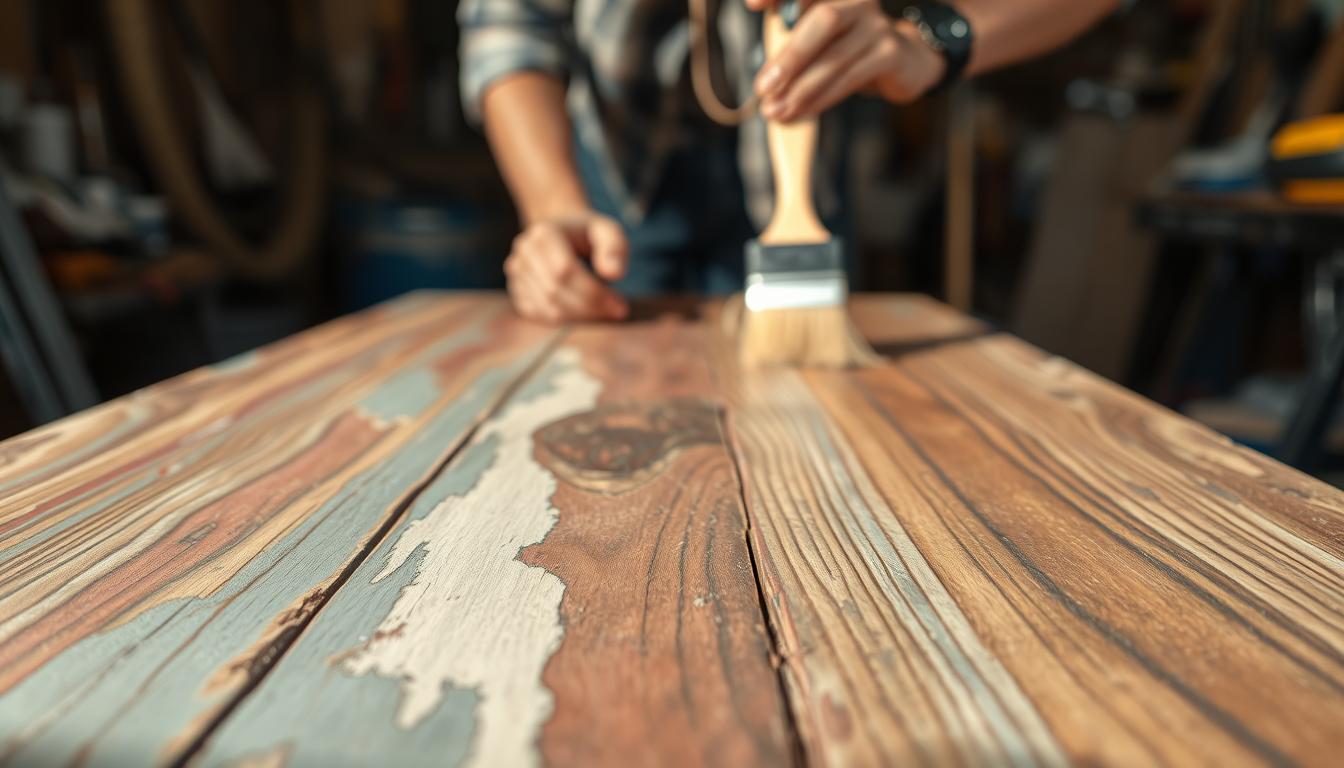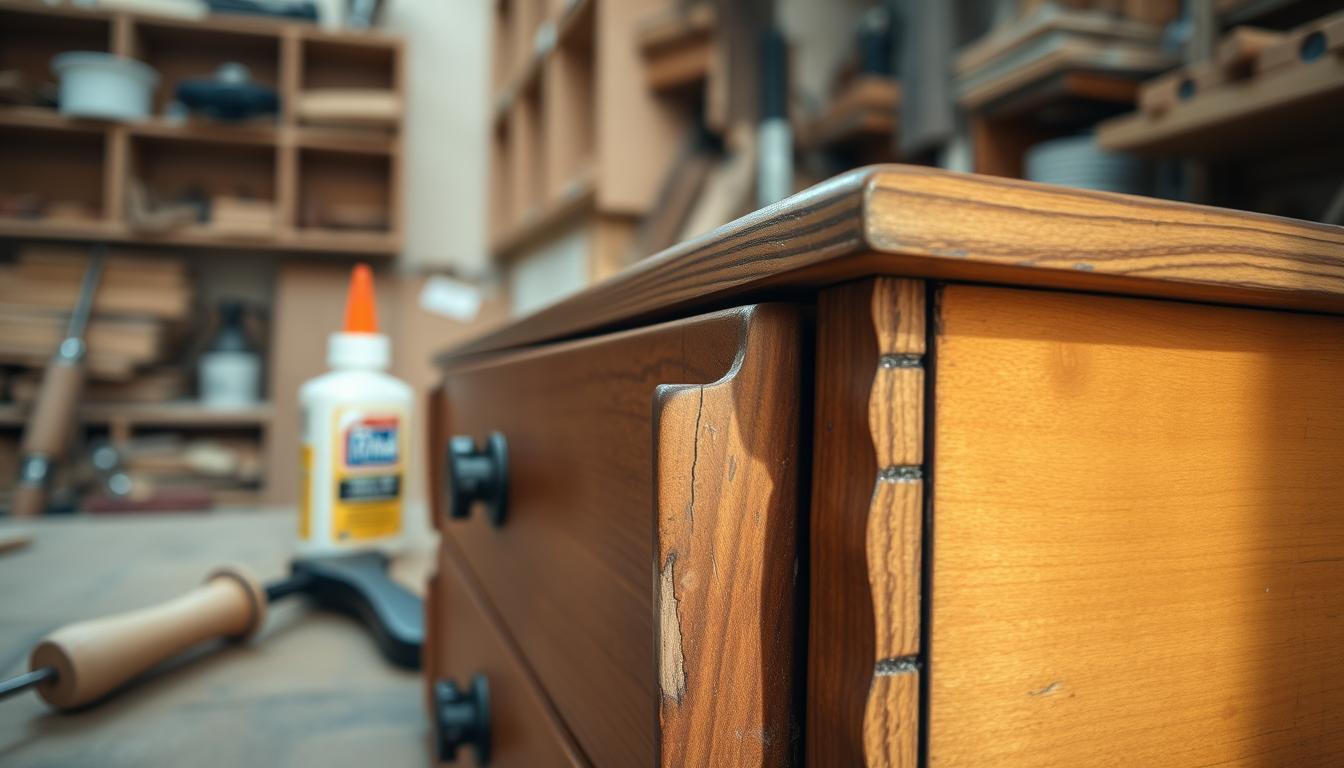


Protect rare finishes, old systems, and one-of-a-kind details in your home. You want savings and control, but some repairs risk fire, flooding, or costly damage when done incorrectly.
Start by judging value and risk. If an item is antique, historic, or tied to legacy wiring or plumbing, the stakes are higher. Home projects that hide damage often need more than basic diy skills.
Think about your time, tools, and actual experience. Even a small project can stretch into weeks. That cost shows up as days lost and higher chances of mistakes that harm finishes or structure.
This article guides you step by step: assess value and risk, learn which home maintenance tasks are low risk, spot clear red flags where professional expertise matters, and understand codes, permits, and warranties.
By the end, you’ll know which repairs you can tackle safely, which ones to stop immediately, and how hiring the right professional protects your home and budget.
Decide if your antique is truly “DIY-safe” before you touch anything
Assess whether the piece in front of you is one you can fix without risking permanent loss. That simple filter keeps you from making irreversible changes that look correct on the surface but destroy original fabric.

Check value, rarity, and irreplaceable details
Treat “antique” as anything hard to replace: original plaster, historic trim, old tile, legacy wiring, or vintage fixtures. Irreversible changes are the real risk, not just whether the repair works.
- If you cannot undo the step cleanly, stop and seek guidance.
- Document finishes and fasteners before you start.
- Estimate loss of value if the detail is altered.
Be honest about your skills and equipment
List similar jobs you completed and the tools you actually own. Can you diagnose, not just swap parts? Video demos often hide complications once walls open or prior amateur work appears.
Estimate time, disruption, and hidden costs
Longer projects raise risk: more dust, open walls, shutoff utilities, and rushed decisions. Money leaks quickly through wrong parts, extra trips, and trial repair. Stop rule: if you are guessing after the first attempt, hire expertise before the situation worsens.
Low-risk fixes you can handle at home without specialized expertise
Simple upkeep preserves original finishes and cuts future costs. These are chores you can do safely when you avoid opening walls, altering wiring, handling combustion, or touching refrigerants regulated by law.
Gentle cleaning and routine upkeep
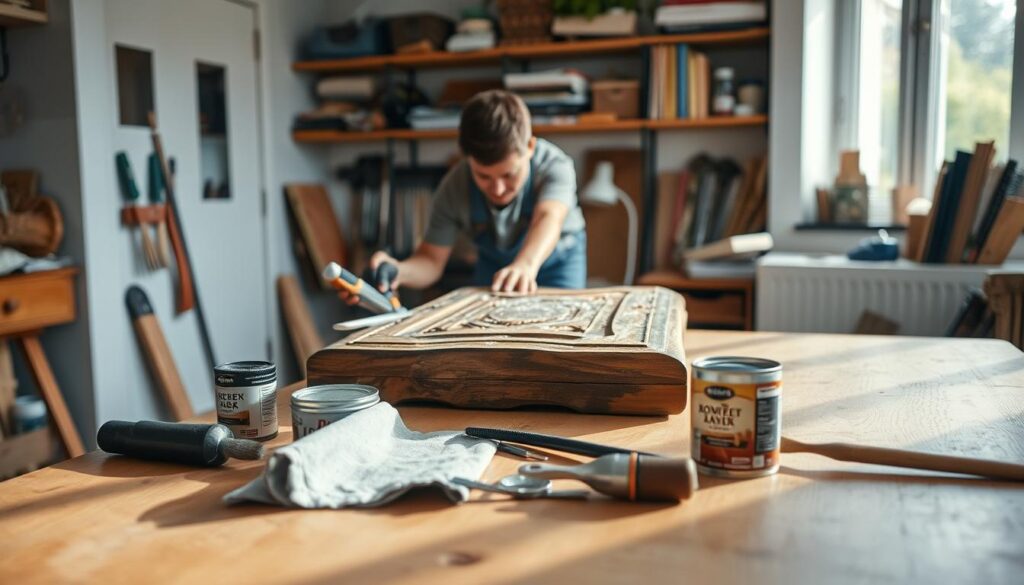
Remove dust and grime early. Use soft cloths and mild cleaners on older surfaces. Avoid abrasive pads that strip patina.
Treat musty smells as a moisture signal, not just an odor. Inspect for leaks and patch small issues before they spread.
Basic HVAC care that protects performance
Regular filter changes keep air flowing and help the hvac system run efficiently. This simple task often prevents major repairs and can save money over time.
Keep vents clear and watch for temperature swings. If efficiency falls despite basic maintenance, seek expert help.
Small plumbing annoyances you can address safely
Minor clogs often clear with a plunger. Use 8–10 strong downward thrusts for a toilet clog before stopping.
For sink or tub clogs, consider a commercial drain product like Drano only for suitable cases. Stop work if clogs return, drains gurgle, or you suspect grease deep in the line. That signals professional service is needed.
- Define low-risk: cleaning, filter changes, minor clogs.
- Protect finishes by choosing gentle tools and cleaners.
- Monitor symptoms; persistent issues require help.
When to call a pro: clear red flags that DIY could cause damage or danger
If safety or cascading damage is possible, stop and seek qualified help right away. Your best move is to contact trained technicians when the repair can spark fire, flood, mold, or structural loss. Quick fixes that guess at root causes often make problems worse.
Major electrical hazards
Wiring-related electrical work can cause shock, fire, and hidden overheating behind walls. Call professional services if you see repeated breaker trips, burning smells, warm outlets, or lights that flicker when the hvac runs.
Extensive plumbing risks
Replacing a water heater, toilet, or main line can trigger flooding or recurring leaks if the root cause is missed. Hire licensed plumbers for deep repairs rather than guessing with parts you bought online.
HVAC and refrigerant emergencies
Filter changes are one thing. Strange noises, poor efficiency, persistent odors, or repeated cycling need diagnostic tools and training. Refrigerant leaks require EPA-certified technicians because handling these chemicals without proper certification and equipment risks environmental harm and higher repair costs.
Mold, pests, water, and combustion concerns
Large or recurring mold, hidden moisture under flooring, severe termite or bed bug infestations, and widespread water damage all require professionals. Pros use moisture meters, industrial-grade dryers, and targeted treatments that prevent long-term decay.
Carbon monoxide is urgent. If your detectors alarm or you suspect a cracked heat exchanger, call professional service immediately and avoid running combustion systems until experts secure your home.
- Rule: safety first—if an issue can cascade into major damage, get professional expertise.
- Document symptoms, then arrange certified services rather than risking worse damage.
- Budget for proper repair; improper DIY fixes often cost more over time.
Know the rules: permits, local building codes, and warranty pitfalls
Permits and codes steer many renovation choices before you pick up tools.
Many municipalities require permits for additions, major electrical work, decks, and structural changes. If your project needs inspection and it fails, you may face costly tear-outs even when the job looks fine.
How permits and inspections affect your project and resale value
Permitted, inspected work is easier to justify during appraisal and sale. Unpermitted changes can delay closings, reduce offers, or force retroactive corrections that cost time and money.
Hiring local professionals often removes paperwork headaches. They know common code pitfalls and can schedule inspections properly, saving you both time and extra trips for missing documents.
Why DIY HVAC installation or repair can void warranties
HVAC systems are costly and complex. DIY HVAC installation or certain repairs can void the manufacturer warranty if not done by an authorized seller or certified technician.
- Rule of thumb: regulated systems and warrantied components favor hiring qualified service.
- Document permits and receipts; they protect value and prove proper work.
- If a diy project touches critical systems, stop and hire certified professionals.
How to hire the right professional and protect your antique and your home
Match the skill set you need with the technician you hire for safer, faster repairs.
Choose the right specialist for the job
Pick an electrician for wiring and panel concerns, a plumber for leaks or supply and drain work, and an HVAC technician for heating and cooling systems.
Remediation experts handle mold and water damage with moisture meters and industrial dryers. Pest control pros bring proper tools and training for infestations.
Ask the questions that matter
Confirm active licensing, proof of insurance, and relevant certifications, including EPA refrigerant handling for hvac work.
Request a written scope of work that lists included and excluded tasks. Ask how they diagnose the issue and what equipment they will use to protect finishes.
Set safety and communication expectations
Agree shutoff procedures, site protection, and a plan if opening walls reveals larger damage.
Insist on clear timelines and daily cleanup. This keeps your antique finishes safe and reduces disruption.
Prevent repeat issues with simple maintenance
- Schedule HVAC service at least once yearly; consider twice if the system is old.
- Change filters regularly and inspect for moisture or odd odors.
- Book routine plumbing and electrical checks to avoid emergency jobs.
Pro tip: Treat preventive service as a savings strategy. Regular attention reduces emergency calls, limits home disruption, and preserves historic value.
Conclusion
Wrap your plan by matching the job’s stakes with your skills and available tools.
Choose diy only for low-risk home maintenance like gentle cleaning, filter changes, and minor clogs. Stop fast if symptoms recur or escalate; guessing often creates more damage and longer repairs.
Respect non-negotiable hazards: wiring, major plumbing, HVAC beyond routine work, refrigerant leaks, serious mold, severe pests, water loss, and carbon monoxide risks. These need certified service for safety and resale compliance.
Action plan: pick one small maintenance task this week, schedule professional service for one system, and set a recurring reminder so upkeep becomes routine rather than reactive.
If you feel uncertain, lack the tools, or the job affects safety, contact a licensed professional before you start.