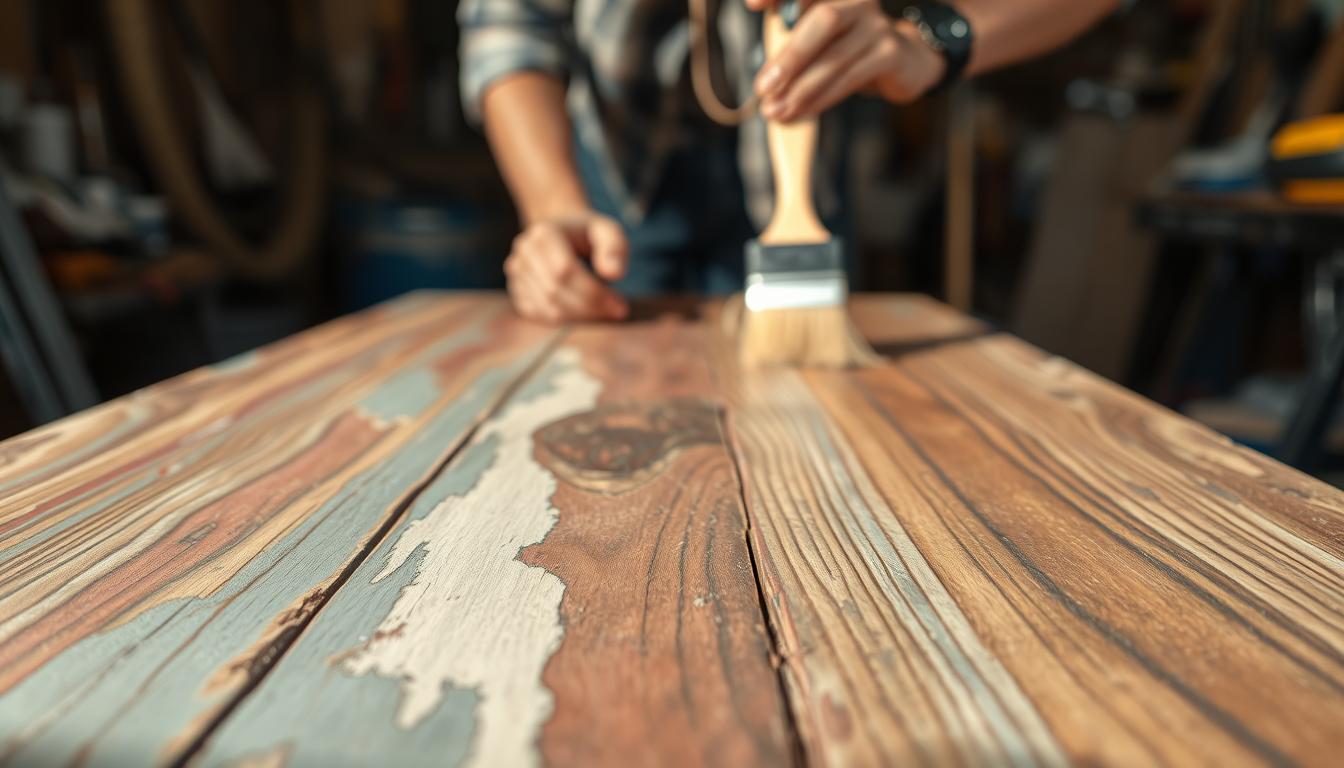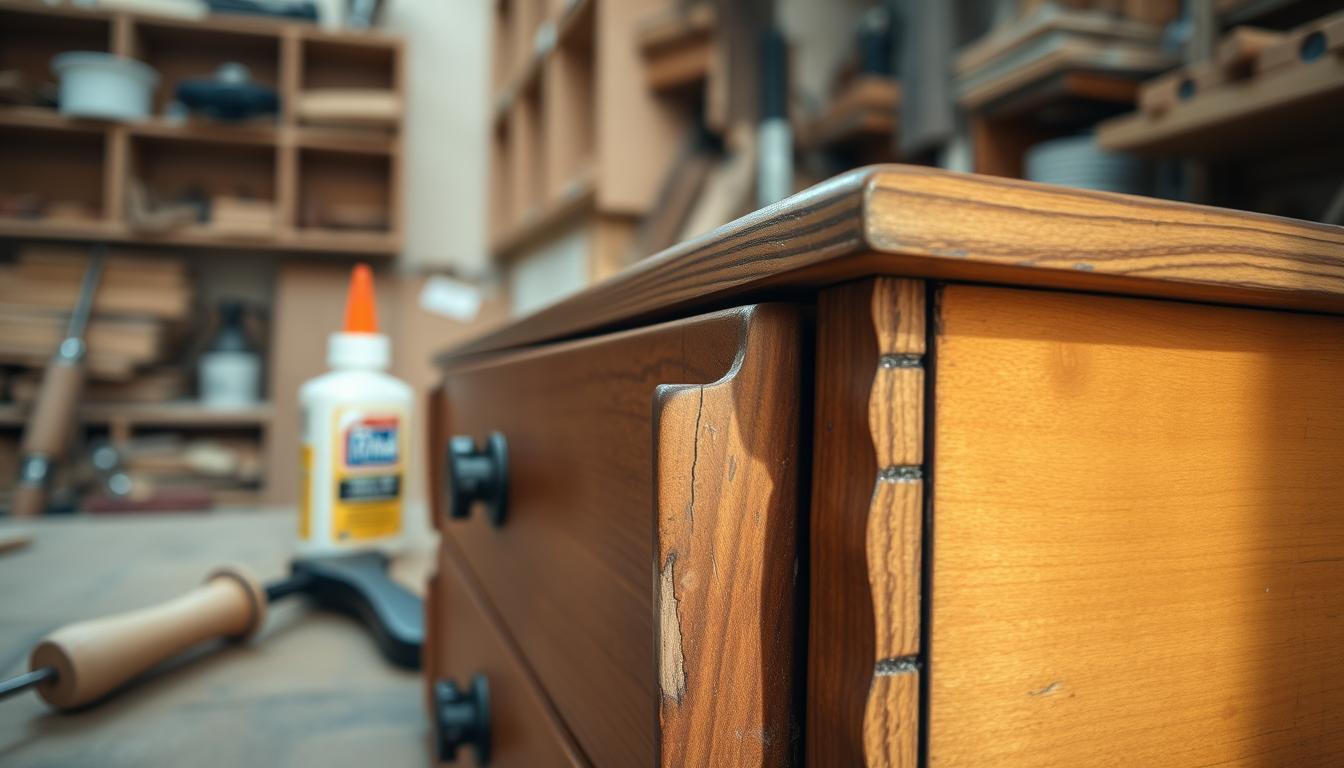


Swapping cabinet hardware like knobs and pulls is a fast, budget-friendly way to refresh your kitchen or bathroom.
This guide explains what we mean by replacing wood hardware: you remove old hardware, address existing holes, then fit new pieces so the result looks intentional.
You can treat this as a simple DIY project that most people finish with basic tools and a little time.
Updating handles and pulls can change the look of drawers and cabinets without repainting or a full remodel.
We’ll walk you through four core phases: prep and organization; removal and measuring; filling and blending old screw hole areas; and drilling to install new pieces so everything lines up.
You’ll also learn to avoid common pain points like misaligned holes, loose screws, and visible patched spots.
Quick tip: follow the steps and allow drying time between actions to prevent crooked handles or stripped screws.
Prep Your Furniture or Cabinets for a Smooth Hardware Swap
Start smart: prep your cabinets and collect the exact tools and pieces you’ll use. Take this pause to avoid mistakes and speed the job.
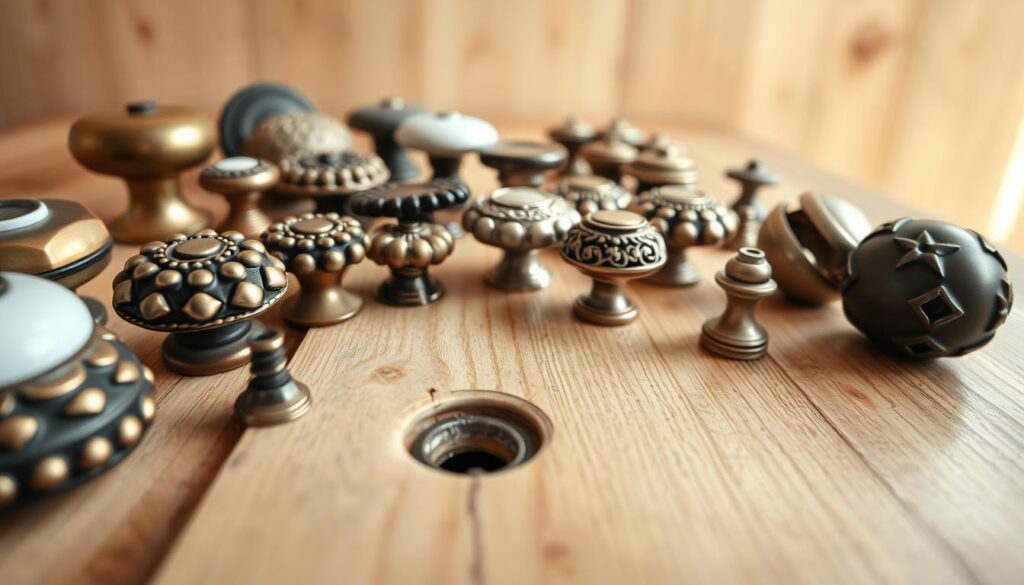
Choose the right style
Pick knobs when you want a simple, one-screw option. Use pulls or handles for larger drawers or heavy loads.
Cup pulls suit farmhouse looks. Edge pulls give a modern, low-profile feel that works well across a kitchen.
Gather essential tools
Bring a screwdriver, drill, measuring tape and a template for repeatable spacing. Add wood filler, a putty knife and fine-grit sandpaper for patching.
Protect surfaces and stay organized
Remove drawers and mark the back of each one so they return to the right slot. Apply painter’s tape around work areas and inside drawers to block filler or paint from seeping through.
- Quick checks: confirm door swing and clearance so new pulls won’t hit walls or adjacent cabinets.
Replacing wood hardware without guesswork: remove old hardware and measure correctly
Hold the front of each knob or pull while you back out screws from the inside. This simple step helps prevent chipping the finish and keeps holes neat. Use a manual screwdriver for control; it cuts the risk of slipping or stripping screws compared with a powered drill.
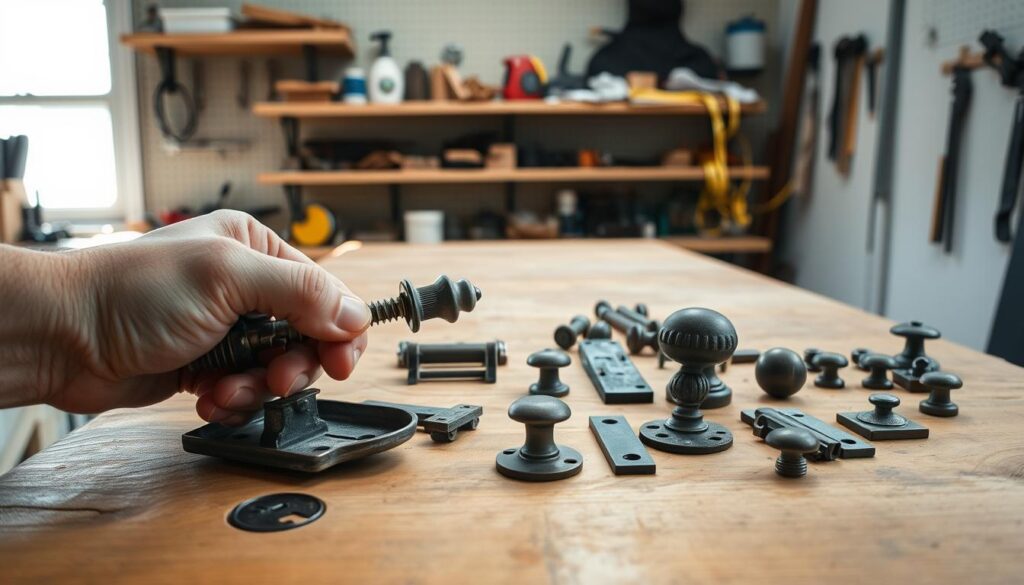
Remove old hardware with control
Work one drawer or door at a time. Support the piece from the front with one hand while you loosen screws from the back.
If a screw resists, switch to a matched screwdriver tip rather than increasing torque. That avoids dents and keeps the screw head usable for reuse.
Measure center-to-center spacing for pulls and handles
Measure the distance between the centers of the two screw holes. This “center-to-center” number tells you whether an existing pair of holes will fit a new pull or handle.
Use a measuring tape and record the center dimension for each drawer and door you plan to update.
Common U.S. sizes to check before you buy
- 3″ (76 mm)
- 3-3/4″ (96 mm)
- 5″ (128 mm)
- 6-1/4″ (160 mm)
- 8″ (203 mm)
- 10″ (254 mm)
Quick tip: product listings sometimes mix inches and metric. Double-check the size and mark existing screw hole centers before you order. If you switch from a one-hole knob to a two-hole pull, plan to create at least one new hole and to fill the old screw hole later. When you drill new pilot holes, start with a small bit or drill bit to keep the bit from wandering.
Fill old screw holes so new hardware sits tight and looks seamless
A neat patch job on old holes makes new pulls and knobs sit level and look intentional. Start by cleaning each hole: remove dust, grease, and loose fibers so filler bonds well. Dry the surface before you work.
Press wood filler or putty into the screw hole with a putty knife. Overfill slightly to allow for shrinkage as the filler cures. Smooth the top so excess is controlled, not wasted.
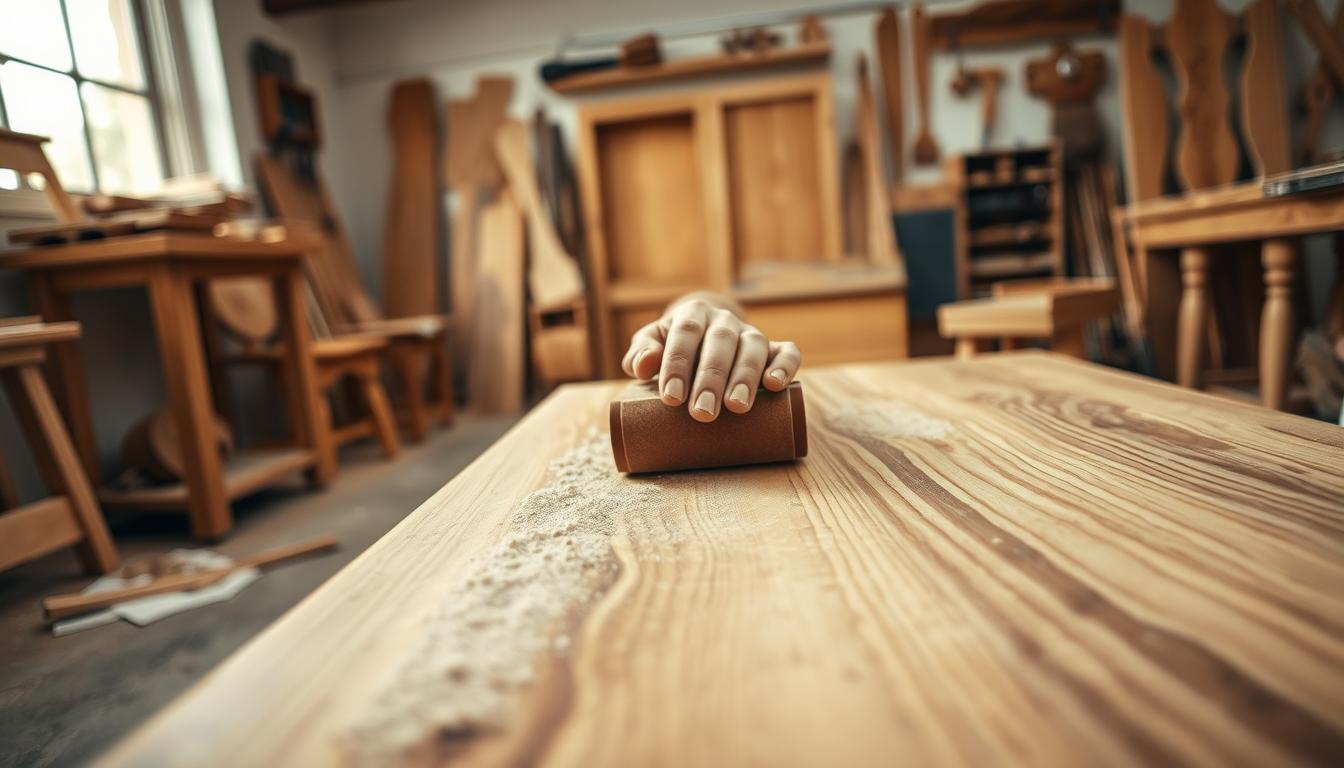
Let the filler dry fully—this is part of the job, not a step to rush. Once cured, sand flush with fine-grit sandpaper until the patch blends with the cabinet or drawer face.
If the patched area “ponds” or dips after drying, repeat the fill-and-sand cycle until the surface is flat and holes don’t show through paint or stain.
- Reinforce close holes: when new holes are near old ones, pack glue and toothpicks, matchsticks, or a short dowel into the old hole, let dry, cut flush, then sand.
- Finish for invisibility: touch up paint or stain so the filled spot matches surrounding surfaces.
- Cover-up option: on tricky surfaces like laminate, consider pulls or backplates that hide old holes completely.
Mark, drill new holes, and install new cabinet hardware that lines up
Mark each door and drawer carefully so every handle lines up across the run. Use a hardware template or jig to repeat the same placement on every cabinet and drawer. A template saves time and keeps the look consistent across a full kitchen.
Use a template or jig for straight, consistent placement
Clamp a template in place and mark the hole centers with a pencil. For mixed layouts, try knobs on upper doors and pulls on drawers to balance the look and function.
Drill clean holes with the right drill bit and a starter hole
Start with a small pilot bit to stop wandering, then switch to a drill bit sized to the screw shaft. Keep the drill square to the surface and support the door or drawer behind the point to prevent tear-out.
Install new hardware and tighten without overtightening
- Feed screws from the inside, align the piece, then hand-tighten for control.
- Use a torque-limited driver or stop when snug to avoid stripped screws or damaged cabinets.
- Common mistakes: crooked marks, rushing the drill step, and over-tightening.
Conclusion
One careful pass — from prep to install — makes the whole run look custom and finished.
Follow the simple workflow: prep and organize, remove old pieces with care, measure accurately, fill and blend old holes, then drill and install new hardware that lines up.
This low-cost DIY project refreshes your kitchen or bath and improves function without a major renovation.
Professional results come from consistent placement across cabinet doors and drawers, smooth patched areas, and screws that are snug but not overtightened.
Once your template is set and one piece is tested, the rest goes faster. Do a final check: open and close every door and drawer to confirm nothing rubs and every pull feels solid.
Store removed hardware in the back of a drawer or a tool bin for future use or easy reversion.