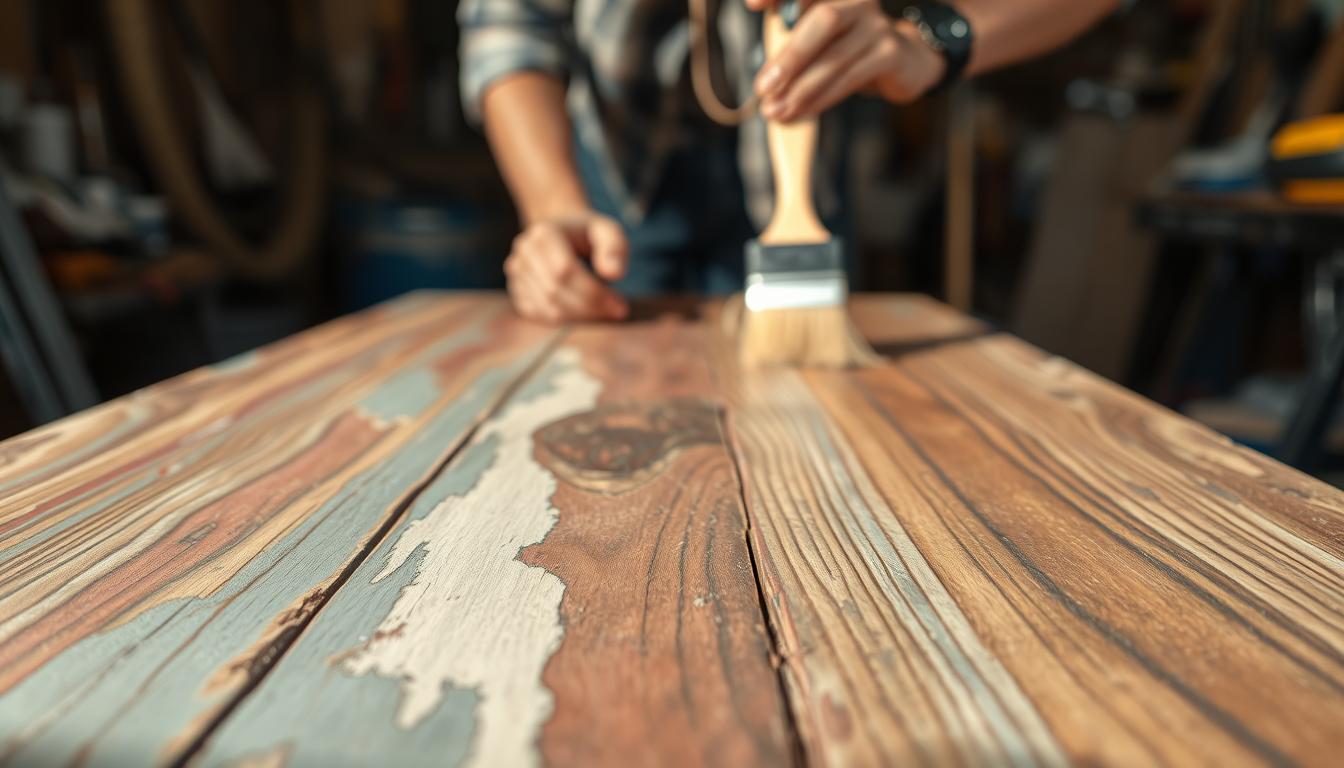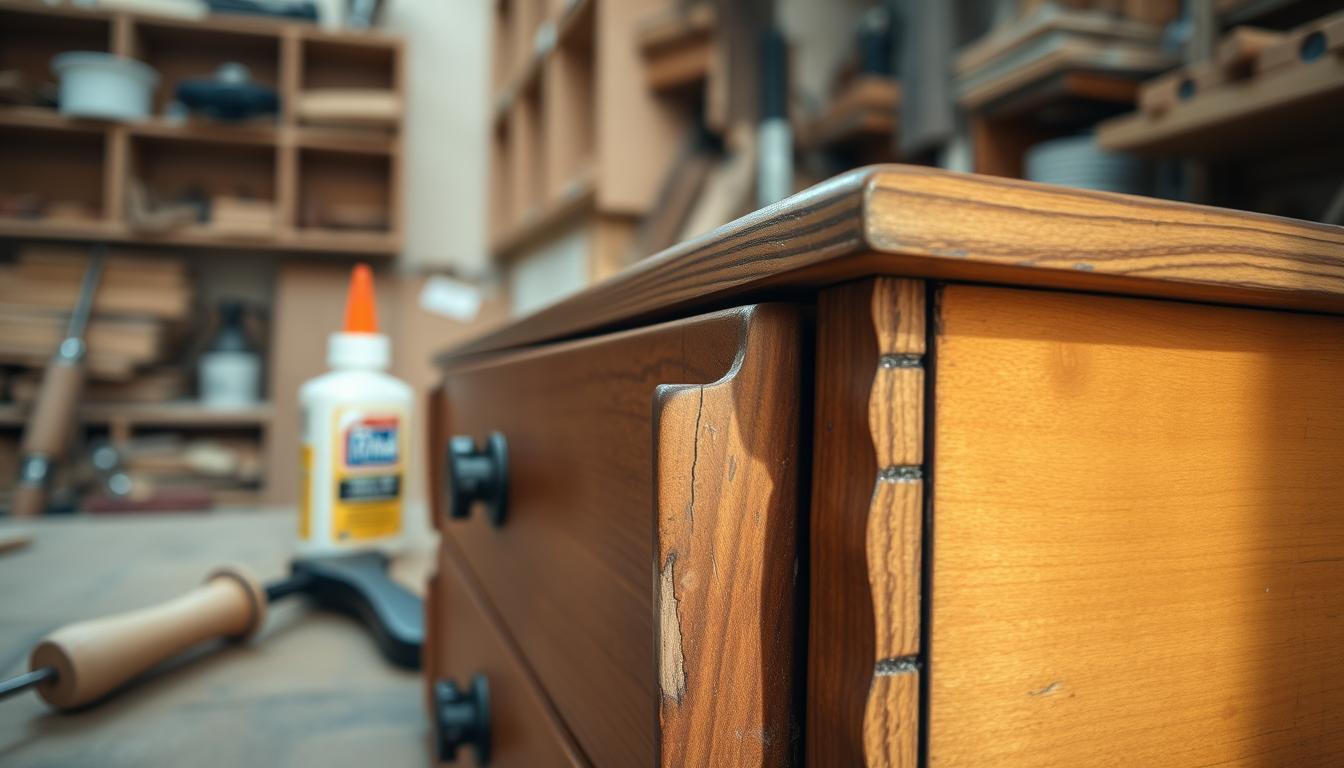


Quick, lasting fixes start with a clear assessment. In many homes, mouldings and casings show chewed edges, dents, splits, or localized rot. You’ll learn what a cosmetic fix can do and when a deeper approach is needed.
Begin by checking the damage. Light scratches and small gaps often sand smooth, accept filler, and take paint so the repair visually disappears. For larger splits or rot, an expert like Bob Beacham warns that filler has limits; sometimes replacement is smarter than force-fitting a patch.
In this guide you’ll follow a simple flow: assess, prep, choose filler or epoxy, sand to blend, then prime and paint for a cohesive finish. You’ll also learn when to use glue or a structural rebuild to restore a profile so daily wear won’t undo your work.
Expectations matter: the goal is a surface that sands smooth and takes paint, not a noticeable patch. Follow manufacturer instructions and expert tips to avoid common mistakes like premature sanding or poor mixing.
Assess the Damage and Choose the Right Repair Approach
Stand in good light and inspect the affected area closely before you pick a fix. A quick, careful scan tells you whether you face hairline cracks, dents, splits, missing pieces, or rot. Mark each spot so you can plan the correct step for each condition.
Spot rot and weak spots: Probe suspicious areas with a screwdriver or awl. If the surface feels soft, spongy, or crumbles, that indicates rot and more involved repairs. Look for darkening, peeling paint, a musty odor, or visible fungal growth.
Tell cracks from splits: Hairline cracks often take filler well. Splits usually need to be opened slightly, glued, and clamped so the piece re-bonds rather than being packed with filler.
- Inspect the entire damaged area in good light.
- Probe soft spots; soft or spongy wood signals rot.
- Measure void depth—many fillers top out near 1/2 inch; deeper voids risk shrink lines and failure.
If rot removal becomes excessive or the profile is too ruined to rebuild cleanly, replacement saves time and yields a better surface. Hardware stores stock common door and window moulding pieces, and a local millwork shop can match odd profiles.

Repairing broken wood trim with filler, epoxy, glue, and solid prep
Create a tidy work area with drop cloths, bright light, and room to mix epoxy safely. Protect floors and stage tools so you are not scrambling once products activate.

Set up your space and safety gear
Wear gloves, safety glasses, and a dust mask. Work in a well-ventilated room and keep children and pets out. Use a stable surface for mixing and a drop cloth under the piece.
Prep the surface correctly
Lightly roughen the surrounding area with sandpaper so the material bonds. Clean away dust and loose paint before any filler or epoxy goes in.
Filler, epoxy putty, and split fixes
- For small dents and nail holes, apply wood filler with a putty knife or stiff plastic card, slightly overfill, let dry, then sand smooth.
- Large voids benefit from a double fill to avoid shrink lines; allow full dry time between layers.
- Use an epoxy putty stick (Mohawk Finishes) for missing corners: slice the amount with a sharp knife, knead until uniform, press in, shape, and you have about 10 minutes to work.
- Don’t pack splits with filler. Push Titebond III into the gap, close the joint, wipe squeeze-out, and hold with painter’s tape until cured.
Rot and finishing steps
Remove all soft, rot-affected wood back to sound material. Prime exposed areas with a two-part epoxy primer, mix the epoxy filler, sculpt, and let it cure. Sand progressively (80 → 100 → 220) so the repair will sand smooth into the surrounding trim.
Decision rule: if rot removal keeps expanding or the piece is structurally compromised, replace the piece rather than stacking products on failing material.
Blend the Repair So It Disappears After Sanding and Paint
A careful sanding and paint sequence is what turns a fix into a finish. Start by leveling the patch, then refine the profile so the transition fades at normal viewing distance.
Sand in stages and feather the edges
Level the repair with coarser grit first, then move finer. For epoxy repairs sand 80 grit to shape, 100 grit to refine, then 220 grit for a finish-ready surface.
Feathering means tapering the repair edge until it follows the original line of the moulding. This hides the joint once paint is applied.
Prime, paint, and maintain the area
Prime the patched surface with an acrylic primer, then apply two coats of 100% acrylic paint for color and UV protection. Paint seals the repair and protects epoxy from sunlight.
- Filler sands quickly; cured epoxy takes more time but holds crisp detail.
- Address moisture sources: clean gutters, fix drainage, seal joints, and keep sprinklers off trim.
- Inspect exterior trim annually and follow product instructions for dry and cure times—this is what makes the work durable.
Expert tip: careful sanding, correct primer, and matching paint sheen are the steps that make repaired trim look nearly new again.
Conclusion
Wrap up by matching the fix to the damage so the job lasts.
Assess first, prep well, then pick the right approach: use filler for small defects, epoxy for strong rebuilds, glue and tape for splits, and replace the piece when the damage goes past repair limits.
Core success factors: solid prep, correct product choice, full cure time, and careful sanding, priming, and paint. These steps make the patch blend and hold up under normal use.
If removal grows or rot is extensive, replacement parts are easy to buy and install with a nail gun or construction adhesive. Stop moisture at gutters, seals, and vents so issues don’t return.
Start with one small visible defect, follow the same process, and work safely and in an organized way to build confidence before tackling larger projects.