


Note: This introduction focuses on ear care guidance that helps you understand when to act and when to wait. Your body makes earwax (cerumen) to protect the ear canal. It usually moves outward on its own and flakes away.
By “Removing wax buildup” in this guide, we mean safely addressing excess earwax that causes symptoms, not routine poking inside the ear. Most people do not need regular removal because the canal self-cleans.
You should know why this matters: attempts to clear blocked earwax with cotton swabs or sharp tools can push material deeper and irritate delicate skin. Instead, you’ll learn how to spot signs of an impacted ear, confirm the issue, and avoid risky tools.
This guide previews a safe path: recognize symptoms, try clinician-recommended home options when appropriate, and seek in-office removal when needed. If you have pain, drainage, or signs of infection, stop home care and get prompt medical evaluation.
Why wax builds up and when you should (and shouldn’t) remove it
Think of your ear canal as a tiny conveyor belt: skin in the canal slowly migrates outward and carries cerumen with it. That movement makes cerumen a normal, protective part of your ears rather than something automatically dirty.
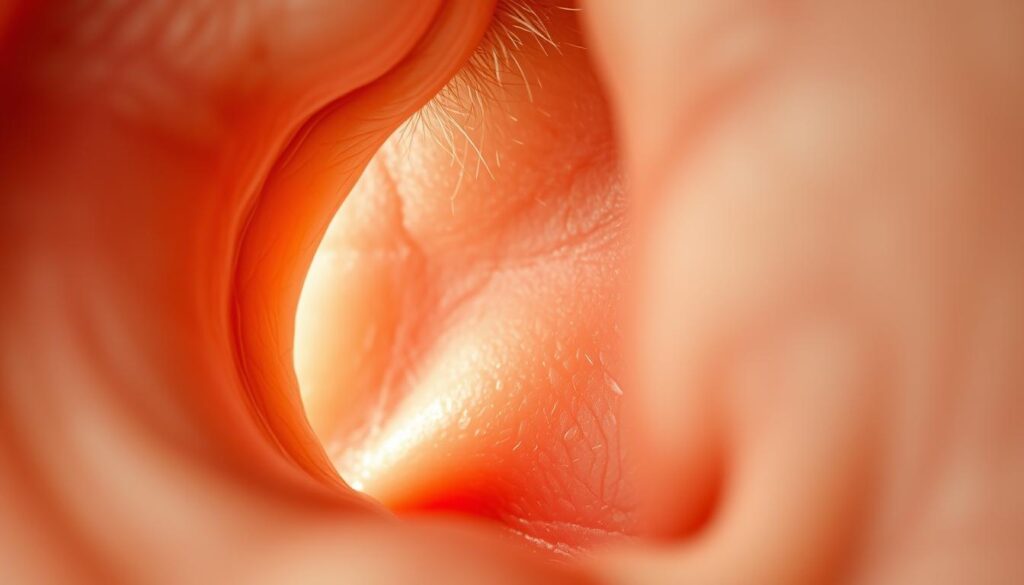
Your ear canal is “self-cleaning”
Cerumen traps dust and coats the canal skin to reduce irritation. The glands in the ear produce secretions that mix with dead skin cells so debris exits naturally.
Why buildup still happens
As you age, changes in glands can make secretions drier and harder. Isaac Namdar, M.D. notes this shift slows cerumen movement, so material stays in the canal longer.
Dry, flaking skin or conditions like eczema add more dead skin cells that combine with cerumen and make clearing slower.
Anatomy and hair matter
Nguyen-Huynh observes many older people—especially men—get more hair in the canal. Extra hair and a narrower or less firm outer ear can trap cerumen and impede skin migration.
- When to act: if you have hearing changes, fullness, pain, or a blocked exam.
- When not to act: if you feel fine—routine deep cleaning can harm the canal’s natural jobs.
Signs your earwax buildup may be causing a blockage
Small changes in hearing or a constant sense of fullness can signal that ear canal material is affecting your hearing. These signs tell you when to pay attention and when to get a clinical check.
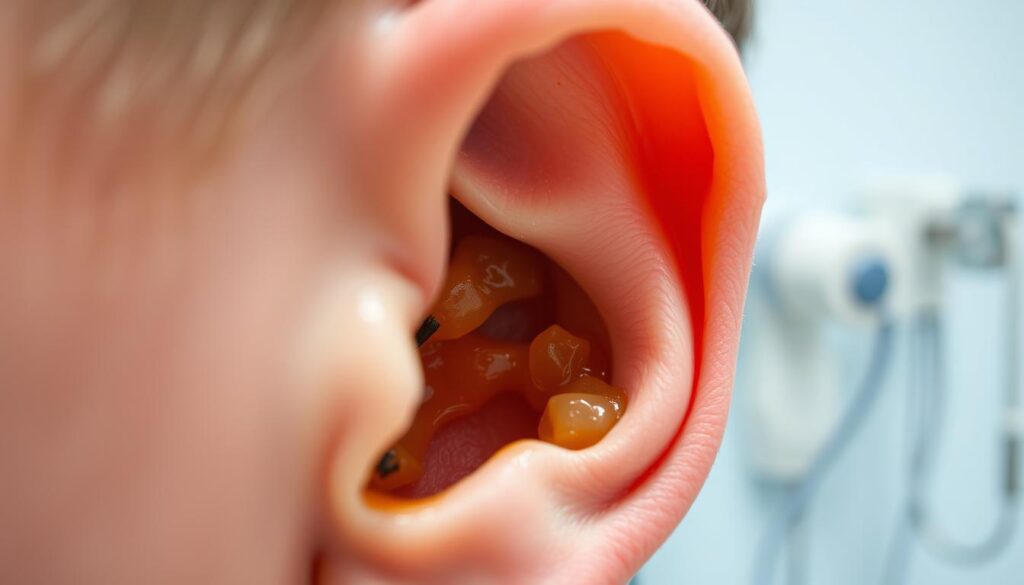
Hearing loss, ear fullness, and ear pain to watch for
Take these signals seriously: hearing loss, muffled hearing, ear fullness or pressure, and ear pain. These are the most common indicators that a blockage may be present.
Itching, dizziness, ringing, and cough from canal pressure
Pressure in the canal can also cause itching, dizziness or imbalance, and ringing in the ears (tinnitus-like sensations). In some people, the trapped material presses on a nerve and triggers coughing.
When symptoms may mimic other conditions
These complaints can look like an infection, fluid behind the eardrum, or other conditions. Self-diagnosis is risky because treatment differs across causes.
- If symptoms persist or worsen, or you have severe pain, drainage, or sudden hearing loss, get a diagnostic exam.
- Remember: “blockage” means impacted material seen on exam, not just a little surface debris.
Removing wax buildup safely starts with the right diagnosis
A focused exam guides safe care. At your appointment, the clinician uses an otoscope — a lighted magnifier — to look inside ear structures and the canal. This lets them judge how much material is present and its consistency.
What an otoscope exam shows
The clinician checks whether cerumen blocks the view of the eardrum or matches your symptoms. A confirmed blockage means the material is likely causing muffled hearing, fullness, or pain.
The exam also rules out other health problems such as infection or inflammation that can mimic blockage.
Why consistency changes the approach
Hard, dry cerumen is tougher to move and often needs softening or manual removal techniques. Softer earwax may respond to gentle suction or clinician-directed drops when it lies away from the eardrum.
- Next steps: professional removal, clinician-guided drops, or watchful care, depending on age, symptoms, and medical history.
What not to do when you’re trying to remove earwax at home
You might reach for a handy item on the counter, but putting objects into the ear risks deeper problems and pain. Many tools can push material further toward the eardrum and make symptoms worse.
Never insert cotton swabs, a hairpin, or a paper clip. Cotton swabs and similar items often push debris deeper into the inside ear canal. A hairpin or paper clip can scrape the canal lining and puncture the eardrum.
Stop and seek care if you have pain or bleeding. Pain, bleeding, or new hearing change after a home attempt needs prompt medical evaluation.
- Ear candling is not supported by research and can cause burns or ear injury.
- Over-the-counter vacuum and camera kits may seem helpful, but limited visibility and shaky hands raise the risk of eardrum puncture and canal damage.
- Simple rule: clean only the outer ear. Keep anything smaller than your elbow away from the inside ear canal.
How healthcare professionals remove impacted cerumen
When an exam shows impacted material in your ear, clinicians pick a method that fits what they see. This keeps the process safer than home attempts and lowers the chance of pushing debris toward the eardrum.
Manual removal with a curette
Manual removal uses a small, curved curette to lift visible earwax out of the canal. Providers prefer this when the material is easy to grasp and the canal allows a clear view.
Suction techniques for stubborn material
Suction gently draws out denser earwax when curetting would be difficult. Clinicians perform suction under direct visualization so the eardrum stays protected.
Irrigation with warm water and saline or diluted hydrogen peroxide
Irrigation involves flushing the canal with a syringe filled with warm water, saline, or a diluted hydrogen peroxide solution. Water temperature is kept warm to cut discomfort and reduce dizziness during the procedure.
- Why method choice matters: clinicians weigh canal shape, material position, and skin condition before any removal.
- When you may be referred: if anatomy or persistent problems complicate care, you may be sent to an ENT or head neck clinic for advanced treatment.
At-home options your provider may recommend for earwax removal
Your clinician may offer simple home options after an exam to help the ear clear itself. These choices are meant to be short-term and used only as directed.
Medicated drops and how to use them
Providers sometimes recommend medicated drops such as carbamide peroxide. These drops help break down and soften material so it can move outward.
Use the amount and schedule your clinician or the label tells you. Too much or too long can irritate the thin canal skin and the eardrum area.
Softening agents to help natural exit
Simple softeners include mineral oil, olive oil, or a little warm water. These lubricate and loosen material so it may leave on its own over days.
When not to use drops
Do not use drops if you have signs of an infection — pain, pus-like drainage, fever, or marked tenderness. Also avoid drops when the canal skin is red, broken, or inflamed.
Why many OTC irrigation kits aren’t ideal
Over-the-counter irrigation and vacuum kits are not well studied. These products can harm the canal or eardrum in some people. Talk with your clinician before trying irrigation.
- Position: these are options your provider may recommend, not universal fixes.
- Ask: check which product suits your ear and what to do if symptoms worsen.
Preventing recurring earwax blockage if you wear hearing aids or use earbuds
If you use hearing aids, earbuds, or swim plugs, devices that sit near the ear opening can slowly push earwax inward over time.
How this happens: hearing aids and in-ear earbuds sit close to the ear canal and can nudge material deeper with repeated insertion and removal. Over weeks this may cause repeated muffled hearing or a feeling of fullness.
Safer cleaning habits and device care
Keep cleaning to the outer ear only. Wipe around the opening and avoid inserting anything into the ear canal.
- Clean hearing aids and earbuds per the manufacturer’s instructions to reduce debris that mixes with earwax.
- Use clinician-approved softening drops occasionally if advised; don’t self‑treat when you have pain or drainage.
- Avoid habitual digging or probing; it often makes recurrence more likely.
When routine checkups help
If you notice recurring muffled hearing after heavy earbud use or frequent device wear, ask your provider about scheduled cleanings. Many clinicians recommend a check once or twice a year for people with repeated problems.
Personalize your plan: since ear anatomy and hearing needs differ, work with your clinician to pick the best ways to protect your ears and preserve hearing while using devices.
Conclusion
When symptoms like muffled sound, pain, dizziness, or ringing occur, get a clinical exam rather than trying risky home fixes.
Your earwax is usually protective and needs no routine digging. Only seek removal when symptoms suggest an impacted canal or when a clinician confirms obstruction with an otoscope.
Follow the safety order: diagnosis first, then clinician-directed removal or provider-recommended drops and softeners when appropriate. Avoid cotton swabs, improvised tools, ear candling, and unverified at‑home devices that can injure the eardrum.
If you use hearing aids or earbuds, clean only the outer ear and schedule periodic checks to prevent repeat problems. For trusted guidance, read patient resources from the American Academy and peer‑reviewed articles before trying new care steps. When in doubt, choose a professional exam for personalized care.