
You want to stop scratching and chewing before it ruins chair legs, trim, and flooring. Quick action saves your home’s look and long-term value.
Dogs Trust data shows searches for “buy a puppy” jumped after lockdown, so more new dogs mean more need to guard surfaces. This guide gives a clear, day-to-day plan you can follow.
What you’ll learn: simple behavior steps like training and redirection, practical barriers and surface protection, and finish options that boost durability.
Damage usually looks like tooth marks, claw scratches, scuffs, and worn finish along traffic paths. Acting fast limits repairs and keeps your home looking its best.
This article is for puppy owners facing teething, adults with high-energy or anxious dogs, and multi-pet households where wear adds up. The approach combines habits (your routines), boundaries (your setup), and materials (coatings and covers).
Protecting wood from pets starts with understanding the damage in your home
Look around your main pathways to find where dogs cause the most wear. A quick check shows why your dog or puppy targets certain pieces and how time and traffic add up.
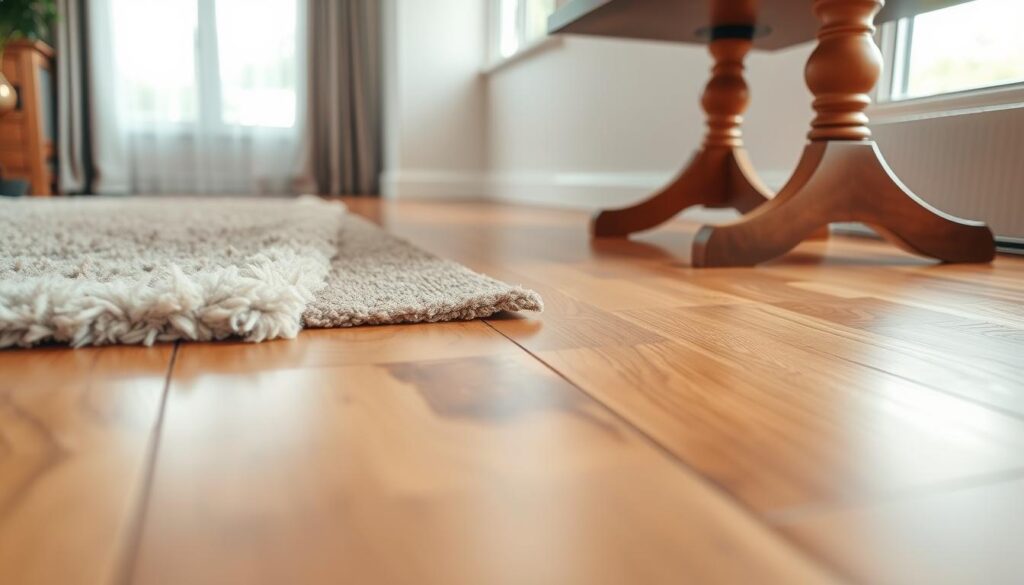
Why dogs and puppies chew or scratch
Puppies chew to relieve teething pain, build jaw strength, or ease anxiety. Adult dogs may nibble when bored or because chewing feels rewarding.
Scratching often links to barriers and frustration — pawing at a gate or at cabinets when access is blocked.
High-risk areas to inspect today
- Table and chair legs, stair spindles, and baseboards
- Pet safety gates, cabinet corners, and crate zones
- Hardwood floors along hallways, entryways, and feeding spots
How wear, moisture, and dirt reduce finish durability
Repeated traffic causes micro-abrasion that dulls a finish, especially in narrow walkways where a dog pivots and digs in with claws.
Moisture and dirt — rain, snow, muddy paws, or spills — act like sandpaper and soften finishes. This speeds up visible damage and lowers durability over time.
Do a simple self-audit: mark the surfaces your dog reaches, note existing damage, and decide what needs immediate protection versus later repair. Once you know the high-risk areas, you can pick the right training, barriers, and protective materials instead of guessing.
Train and redirect chewing and scratching before it becomes a habit
Start with a short plan you can use every day. Focus on teaching acceptable chew items, and stop rehearsal of the wrong behaviors that lead to damage.

Use supervised time and clear boundaries
Supervised sessions give you a chance to interrupt chewing and redirect to a safe toy. Reward calm behavior so your puppy links calm with good outcomes.
Keep rules identical in every room. When everyone enforces the same boundaries, your dog learns faster and confusion fades from their mind.
Block access and offer better options
When you can’t watch, use a pet safety gate to close off high-risk areas like the kitchen, stairs, or furniture rooms. This reduces opportunities for chewing and scratching.
- Rotate safe chew toys to keep interest high and make furniture less appealing.
- Practice short, frequent training sessions so good habits stick.
- Use a wooden gate? Apply two coats of Manns Door Oil to resist scuffs, dirt, and moisture.
Bottom line: combine consistent training and barriers. This removes the payoff your dog gets from chewing and is the fastest, most reliable solution to limit future damage.
Control claws and paws to reduce scratches and scuffs on wood floors and furniture
Simple daily care for your dog nails and paws prevents many common scratches and scuffs on hardwood and furniture. Keep a regular grooming rhythm so long nails never catch when your dog turns, jumps, or runs indoors.
Keep dog nails trimmed to prevent scratches, scuffs, and accidental gouges
Long nails increase the chance of scratches and deeper gouges during sudden movement. Trim nails to a safe length on a set schedule and check dewclaws so they don’t scrape flooring.
Try indoor booties to protect hardwood and improve traction on slick flooring
If trimming alone isn’t enough, indoor booties are an effective option. They help protect hardwood and reduce slipping, which cuts down on frantic scrambles that cause scuffs.
Keep your dog dry after rain, snow, baths, or swims to limit moisture damage
Wipe paws to remove grit that acts like sandpaper on floors. Keep towels near doors and dry your dog thoroughly after wet outings to prevent moisture-related damage.
- Why nail care matters: long nails lead to more scratches when your dog accelerates or jumps down from furniture.
- How-to routine: set a trimming schedule, inspect dewclaws, and reward calm grooming sessions.
- Paw hygiene: wipe paws, remove grit, and use booties on slick flooring for added grip and floor protection.
Set up protective surfaces that shield wood legs, flooring, and feeding spots
Simple, layered protection stops most damage before it starts. Start with rugs and runners in high-traffic areas, then add mats for spills and pads under crates to reduce scraping.
Use rugs, runners, and non-slip pads in high-traffic areas
Place runners in entryways, hallways, near couches, and around table legs where dogs pivot and dig in with back feet. Choose washable rugs with skid-free liners so the rug stays put and you can clean muddy prints.
Set up feeding-station and potty protection
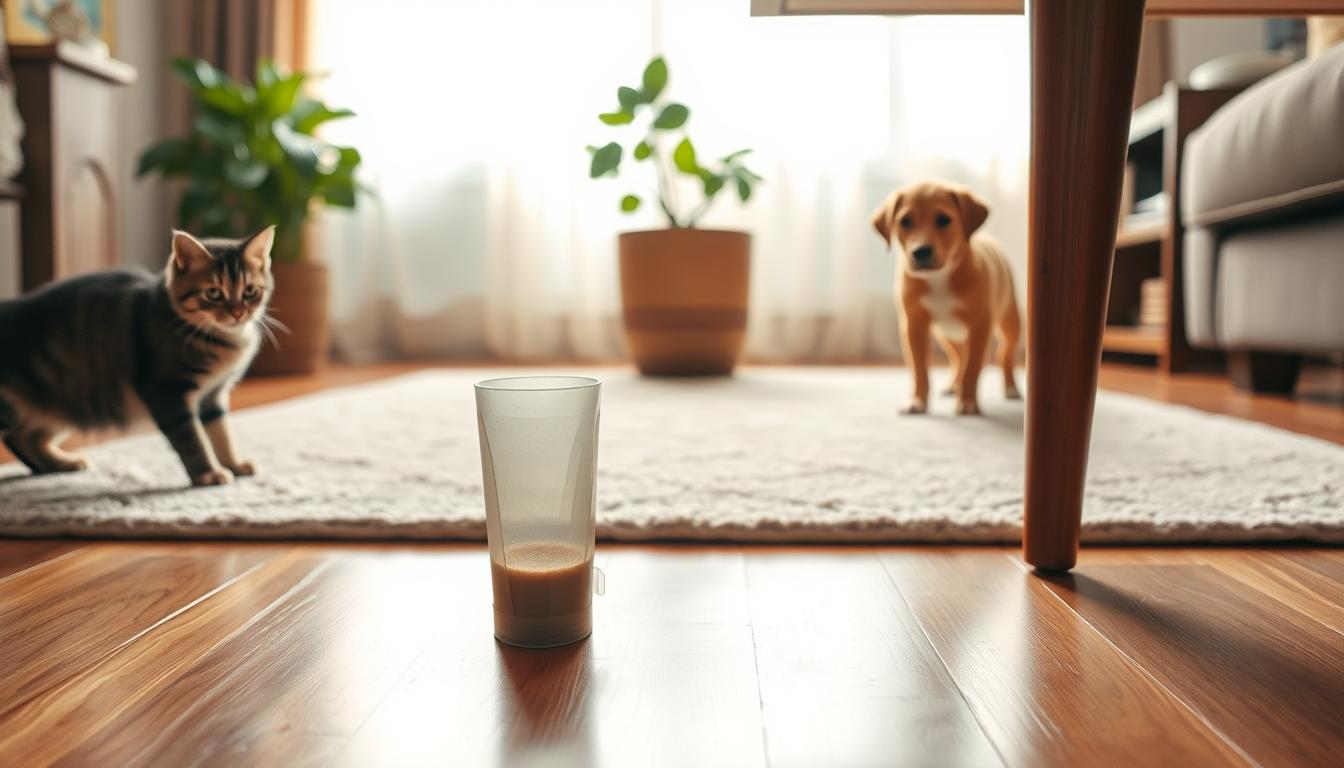
Put a waterproof mat or tray under water and food bowls. This stops drips and splash-outs that soften finishes and stain seams.
During accidents or early potty training, use puppy pads with absorbent backings and a waterproof layer so spills don’t seep into hardwood floors or wood floors.
Create a safe crate zone
Place a mat, pad, towel, or blanket under the crate to prevent scraping when the crate moves or your dog nests. Wire crates often scuff floors, so consider crate designs and materials less likely to scratch.
- Layered protection: rugs for traction, mats for spills, crate pads for scratching.
- Best places: hallways, entry areas, around seating and table legs.
- Materials: washable, skid-free, and waterproof options boost durability for your floors.
Check this page later for quick links to recommended washable rugs, waterproof trays, and crate mats so you can implement these fixes fast and keep your floors looking their best.
Apply the right finishes and sealers to improve scratch resistance and moisture protection
Choosing the right sealer makes routine wear visible on the coating, not the wood beneath. A quality finish creates a tougher, sacrificial layer so daily claw contact hits the coating, not bare fibres.
Pet safety gates first
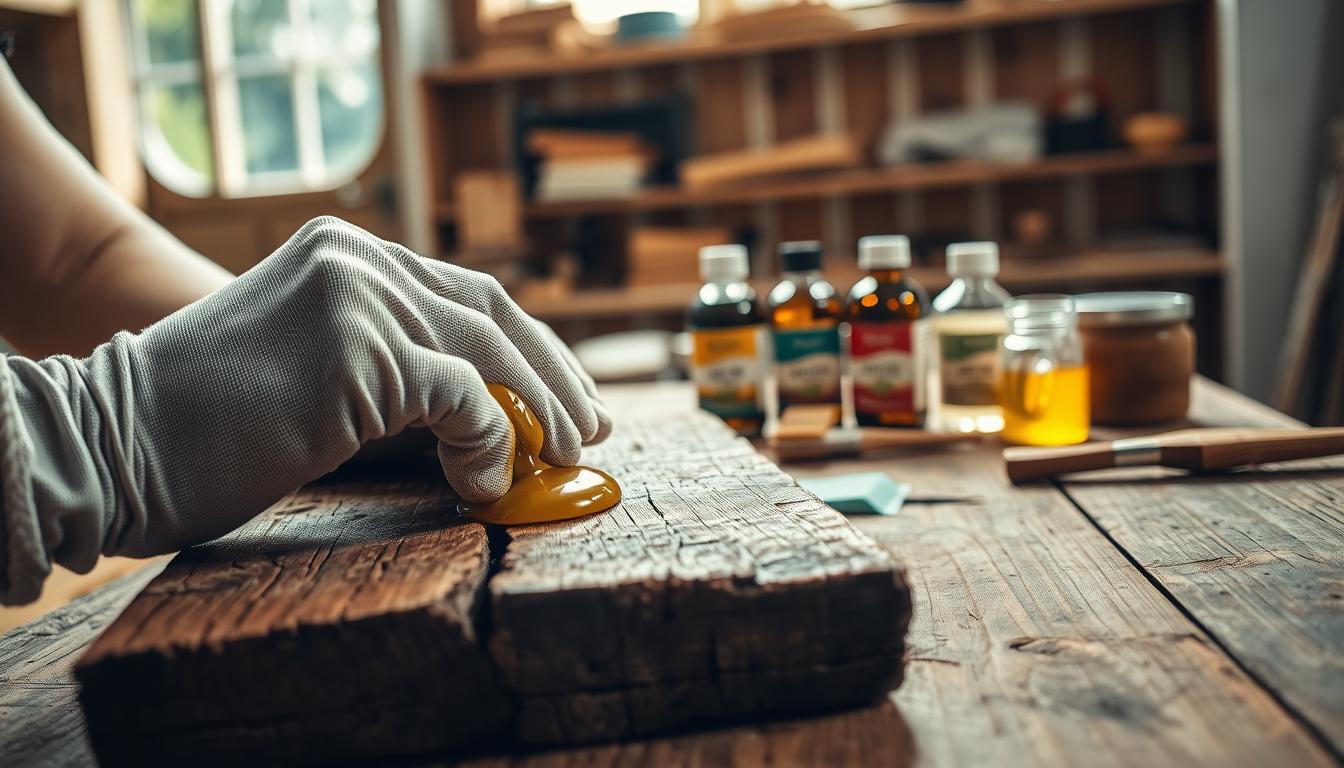
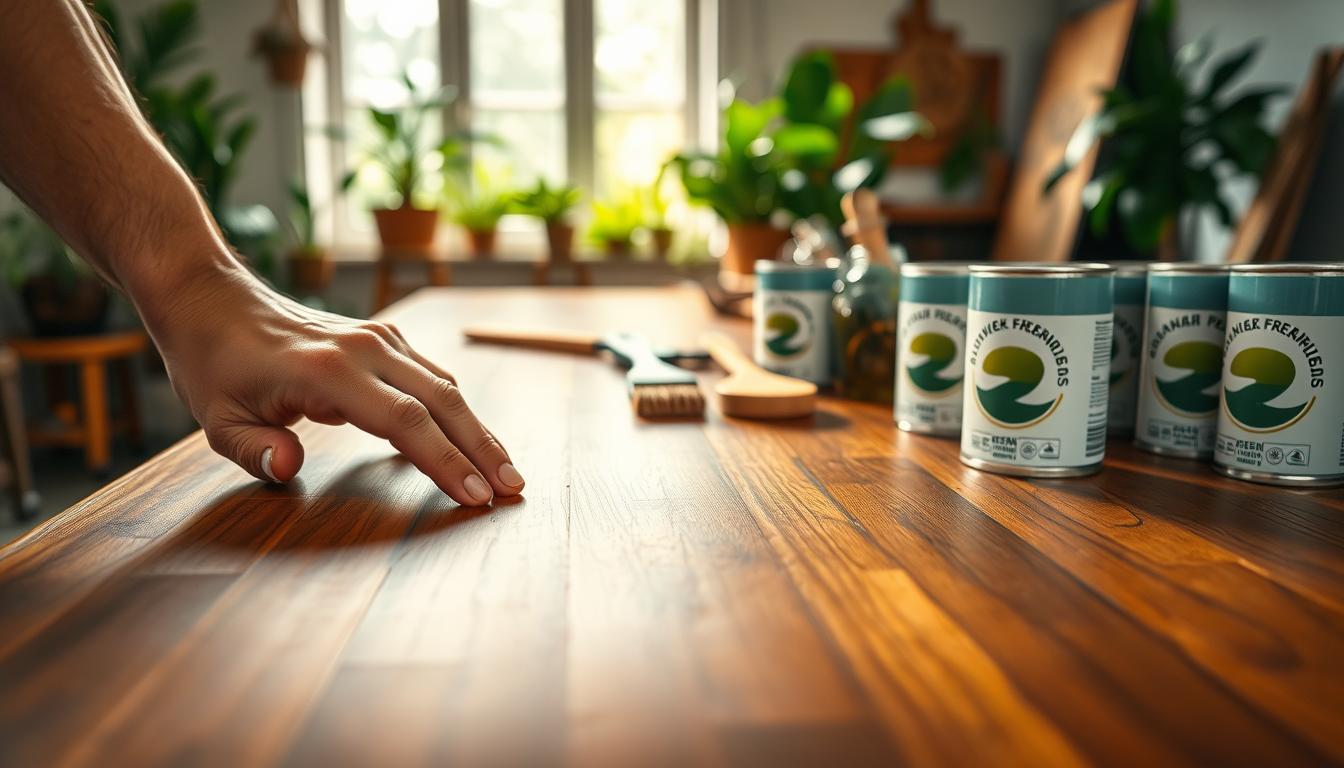
Two coats of Manns Door Oil add long-lasting durability and moisture resistance for wooden safety gates. This reduces scratches, scuffs, and dirt while enhancing grain and safety-zone longevity.
Kitchen cabinets and washable coatings
Choose a water-based, greaseproof, washable emulsion such as Dulux Easycare Kitchen Matt for cabinets. It stands up to muddy paw prints and frequent wiping without losing quality.
Kennels, crates and polyurethane-style options
Manns Extra Tough Interior Varnish is a polyurethane varnish that offers antibacterial benefits, strong scratch resistance, and non-yellowing durability for kennels and indoor wood surfaces.
- Natural look: consider a clear wood sealer (Rainguard Wood Sealer, Natural Finish) if you want minimal colour change.
- Choose by use: gate, cabinet, or crate wear guides product choice and cleaning needs.
- Of course: finishes help a lot, but regular nail care, mats, and cleaning are still required.
Conclusion
Finish strong by turning small daily habits into lasting care for your floors and furniture.
Combine training, barriers, nail and paw care, moisture control, protective surfaces, and the right finish for a complete solution that limits damage in your home.
Priority: start with supervision and redirection, then add rugs, mats, and crate pads, and finally upgrade finishes on gates and cabinets.
Today vs this week: today trim nails and block risky areas; this week add washable mats, check finishes, and test a quick-clean tool like the Bona Wood Floor Spray Mop to handle hair and accidents.
Quick safety note: inspect bare floorboards for loose nails before your dog runs or naps there. Explore this page for product guides and practical tips so your routine stays consistent over time.