
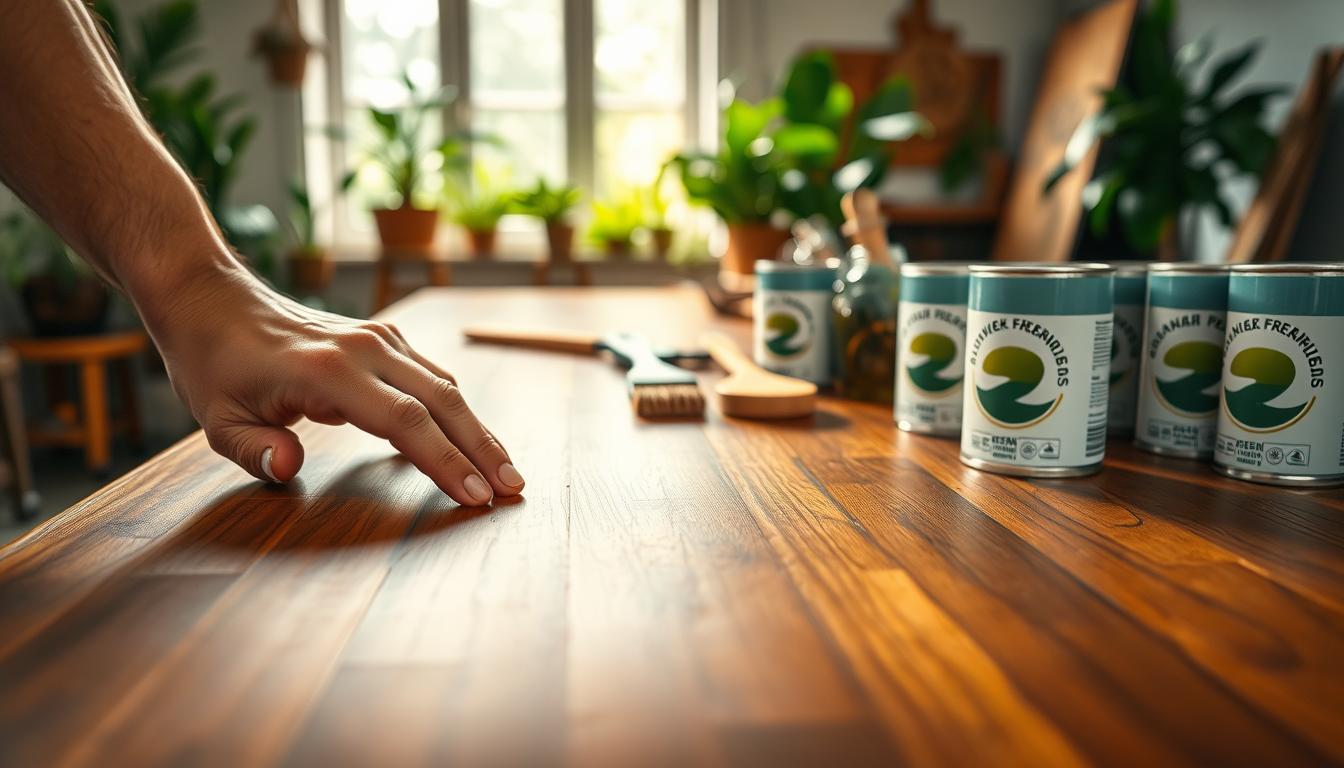
You want a reliable, eco-conscious coating for your furniture, floors, or deck. Start by learning what “Natural wood finishes” means so you can shop with confidence and know what’s in the can.
A good wood finish is a protective layer that shields your wood projects from UV, rain, and humidity. This protection slows cracking, swelling, and rot, so you replace or refinish less often.
Most choices fall into two groups: penetrating oils that soak in and create a low-maintenance look, or film-forming coatings that sit on the surface for tougher wear. In this guide you’ll compare durability, odor, drying time, sheen, and where each option works best in U.S. homes.
What a Wood Finish Does for Your Home’s Wood Projects
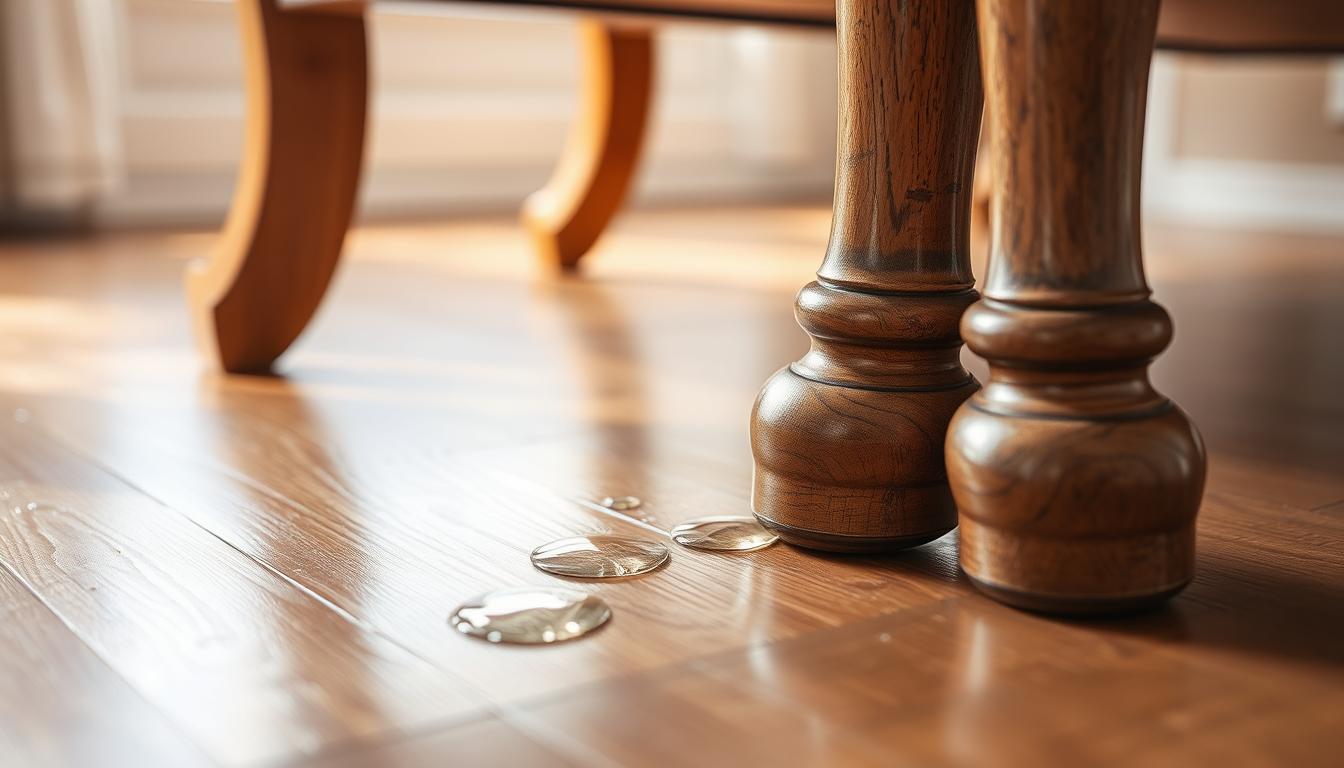
A proper finish acts like armor for your furniture and exterior pieces, blocking water and sun damage. It slows drying, cracking, swelling, and rot so your surfaces last longer.
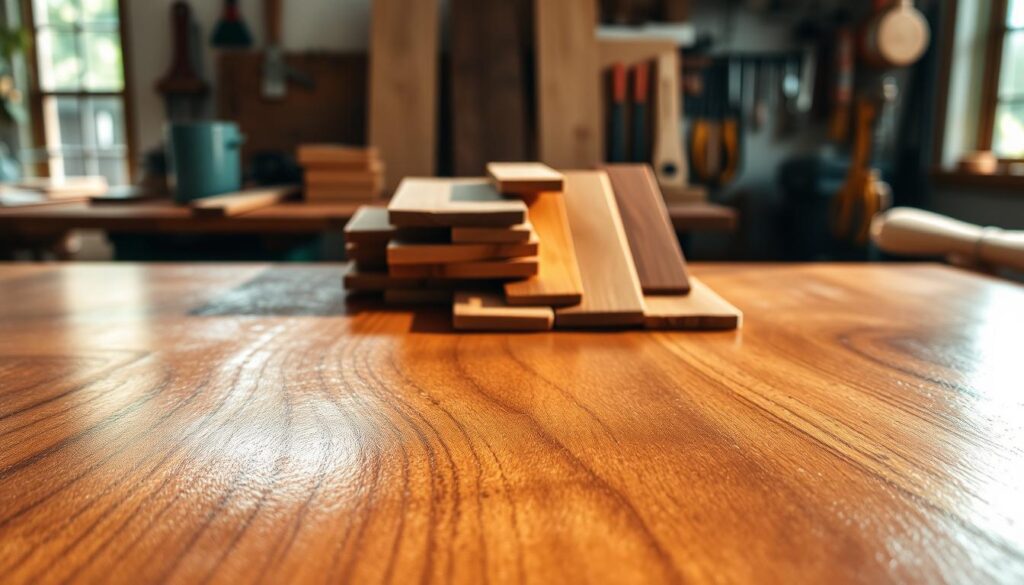
Protection benefits you can see and feel
Barrier against moisture and UV: A finish creates a sealed surface that limits water absorption and reduces sun damage that dries and weakens grain.
Scratch and abrasion resistance: Daily wear—chairs sliding, pet claws, frequent wiping—tests durability. Some coatings resist scuffs; others are easier to repair.
Rot prevention and stability: Controlling water uptake keeps joints tight and lowers the chance of decay by reducing swelling and movement.
How finishes change the look over time
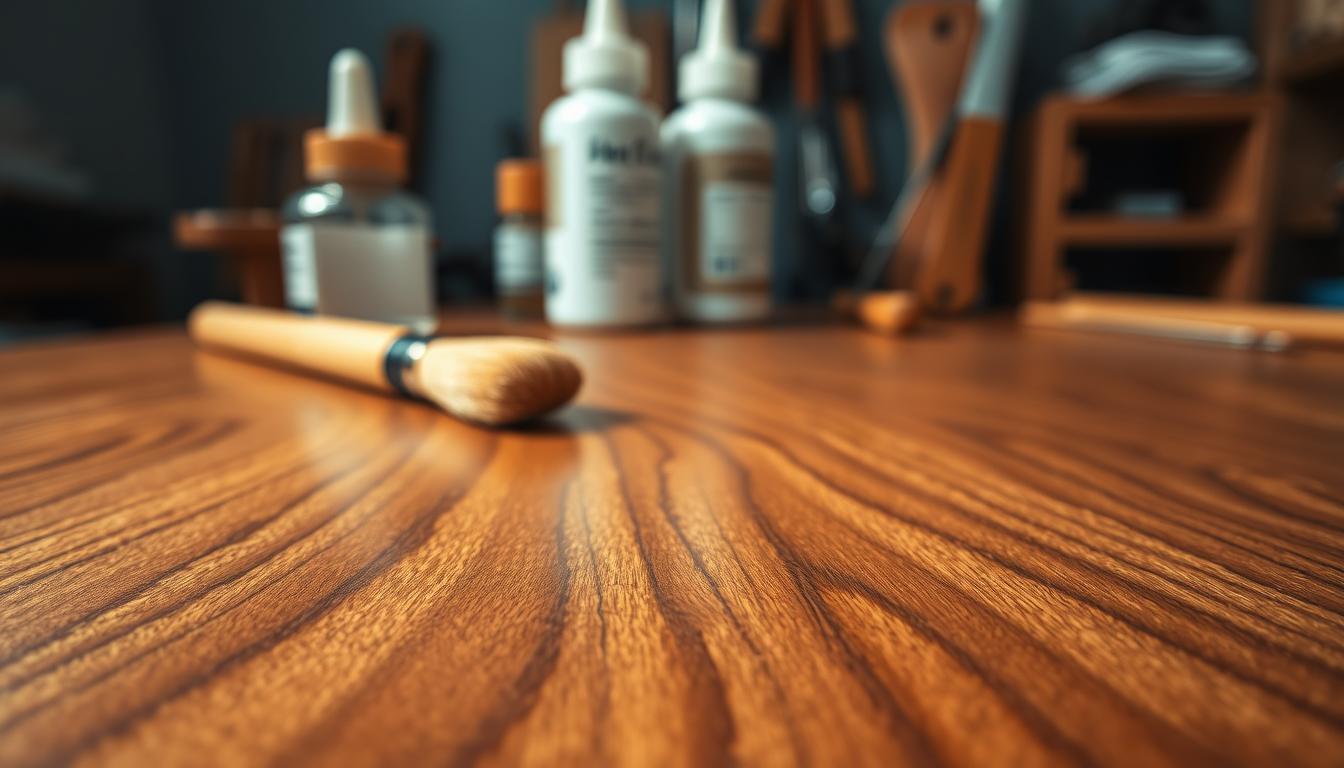
Finishes affect grain, color, and sheen. Oils and varnishes often warm the tone with a golden tinge. Water-based options stay clearer. Shellac or lacquer can deepen color and shine.
- Grain: brought forward or muted depending on absorption.
- Color: slight amber over time with some oils; more neutral with water-based products.
- Sheen: choose matte, satin, or gloss to match your desired look and maintenance needs.
Understanding Finish Types: Penetrating Oils vs Surface Coatings
Different coatings behave very differently — some disappear into the grain while others form a protective film on top. Choose based on how you want the surface to look, how much protection you need, and how you will repair wear over time.
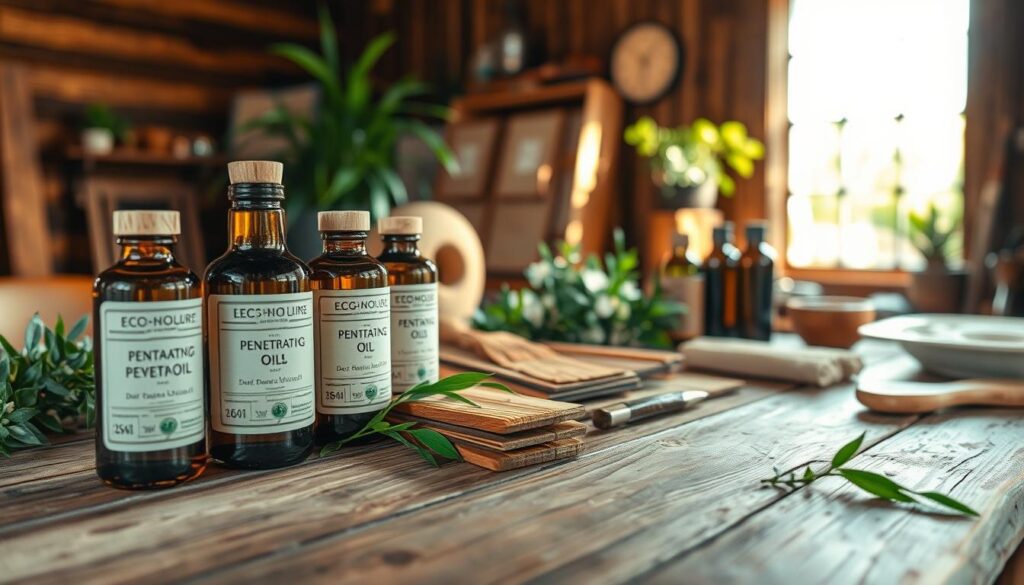
Penetrating options for a matte, natural grain look
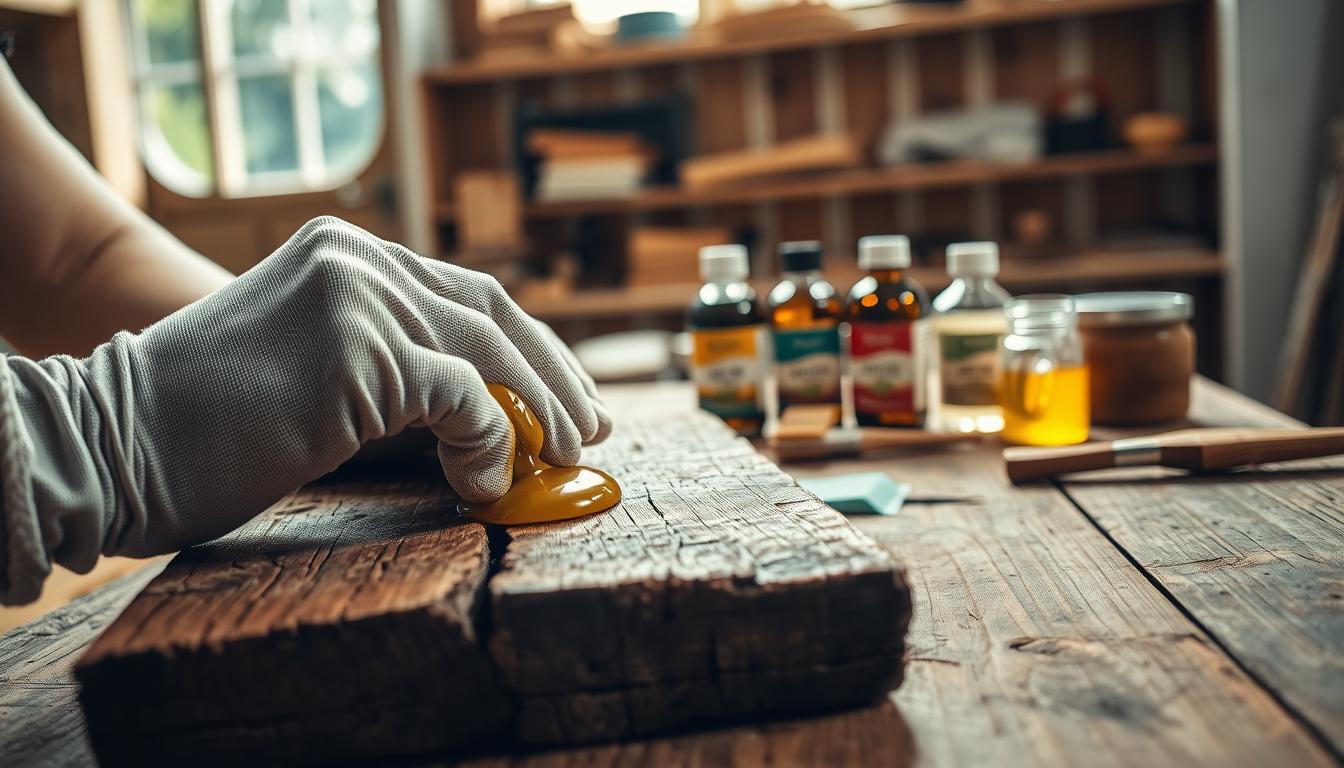
Penetrating oils soak into the fibers and cure inside the timber. They enhance the natural grain and give a low-sheen, matte appearance that many people prefer.
Most drying oil chemistry polymerizes with oxygen, so the layer hardens instead of staying greasy. That makes these types of wood finishes repairable with spot work rather than full sanding.
Surface coatings for harder protection and gloss
Surface coatings build a film that resists abrasion and delivers higher gloss or varied sheen. They are tougher under heavy use, but damage to the film is often more visible and harder to blend on repair.
- Define: penetrating vs film-forming coating.
- Warning: avoid common kitchen oils — non-drying oils can stay tacky or go rancid.
- Plan: allow drying time and full cure time before heavy use or closing a room.
Natural wood finishes to Consider in the US Market
Choosing between oils, waxes, and resins comes down to durability, look, and how much upkeep you want. Below are practical pros and limits for common options so you can match a product to your furniture, floors, or outdoor projects.
Tung oil
Where it shines: durable, matte, warm glow for tables, countertops, and decks. It accentuates grain and holds up on floors and boat decks when fully cured.
Tradeoffs: multiple coats, patience, and occasional solvents like d-limonene or odorless mineral spirits speed application.
Linseed oil
Linseed oil is easy apply with a cloth or brush and gives a warm yellow matte tone that darkens over time. Raw, boiled, and polymerized versions differ in drying and safety; stand oil blends can be food-safe.
Blends, low-odor oils, and wax
Danish oil or “teak oil” labels can hide varnish and thinners—check SDS for solvents and additives. Hemp and walnut oils offer lower odor for light-duty interior items but lack heavy-wear durability.
Oil-wax and paste wax: wipe-on, buff-off application adds sheen and renewability. Best for low-traffic pieces or as a maintenance layer over an oil.
Shellac, Danish soap, and natural paints
Shellac gives fast drying and a traditional shine but limits moisture resistance. Danish soap yields the most invisible look but needs frequent upkeep. Milk paint needs a topcoat; linseed oil paint can be durable but finicky to cure.
- Tip: test color and stain compatibility on scrap before committing.
- Plan: balance look, drying time, and how you will maintain the surface.
Matching the Finish to Where You’ll Use It
Match your coating to the room and daily use so the surface holds up where you need it most. Choose based on traffic, exposure to water, and how often you want to recoat.
Floors and high-traffic interior areas
For floors, prioritize abrasion and water resistance first. Polyurethane is the go-to for hardwood floors because it offers top durability and long wear.
Oils are easier to spot-repair, but they need more touch-ups in high-traffic paths. Control sheen — matte or satin hides scratches better than high gloss.
Furniture, cabinets, and doors
Tables and chairs need abrasion resistance; display pieces can favor appearance. For cabinets and doors, choose a product that resists frequent cleaning and fingermarks.
Tip: pick a harder film on doors and high-use furniture, or use an oil plus protective topcoat for easy repairs.
Outdoor projects like decks, siding, and fences
Outdoor projects demand UV and water resistance first to prevent cracking, swelling, and rot. Varnishes or marine-grade coatings and specialized deck stains work well here.
Recoat cycles depend on exposure. Softwoods absorb unevenly; seal or condition them for a uniform result before topcoating.
- Abrasion resistance, water resistance, and spot-repairability rank highest for floors.
- Sheen control matters in bright interior areas to avoid highlighting wear.
- Map choices to scenarios: entryways, kitchens, and kids’ rooms need tougher coatings and easier maintenance.
Natural vs Conventional Finishes: When Polyurethane, Varnish, Water-Based, or Lacquer Still Make Sense
When performance matters more than label claims, conventional options give you predictable protection for demanding jobs. Use these choices when durability, weather resistance, or a fast project timeline matter more than minimal chemistry.
Polyurethane
Why pick it: oil-based polyurethane is widely seen as the top durability option for indoor furniture and hardwood. It resists abrasion and moisture better than many alternatives.
Tradeoffs: expect possible ambering over time, tougher repairs, and careful handling because of flammability and solvents.
Varnish
Why pick it: varnish is built for outdoor use. It delivers strong UV and moisture resistance when applied in proper coat builds.
Application notes: you’ll need good weather windows, patience for multiple coats, and attention to recoat timing to get long-term performance.
Water-based finishes
Why pick it: fast drying, low odor, and a clearer look make water-based options ideal for tight timelines and indoor work where yellowing is a concern.
Durability note: some water-based products are catching up to oils, but check product specs for abrasion resistance on high-use surfaces.
Lacquer
Why pick it: lacquer gives quick build and glossy results, especially when sprayed. It’s a favorite for fast, high-sheen jobs.
Costs: expect stronger solvents, the need for ventilation and spray gear, and surface prep to avoid flaws.
- Bottom line: choose conventional when the job demands it — match the polyurethane, varnish, water-based, or lacquer choice to your appearance, timeline, and maintenance tolerance.
Your Buyer’s Checklist for Choosing an Eco-Friendly Wood Finish
Start with a short checklist of exposure, application skill, and downtime you can allow for curing. Use that to narrow options and avoid impulse buys.
Durability needs
Identify the biggest threats: heavy wear paths, standing water, sunlight, or food and ink spills. Match those to a product rated for abrasion, UV, and moisture resistance.
Ease of use
Decide whether you’ll wipe-on, brush, or spray. Wipe-on wax or oils are forgiving; sprayed or brushed film coatings give tougher protection but need more skill and tools.
Drying vs full cure time
Separate surface dry from full cure. Surface dry means light handling; full cure can take days to weeks. Plan room access and recoat timing around cure time.
Color and finish
Pick matte, satin, or gloss to match wear and look. Remember oils and waxes often warm colors more than water-based clear options.
Wood type and sealing
Soft species can blotch—use a sealer or conditioner. Hard species usually absorb more evenly and show the grain well with the right finish.
Solvents, additives, and safety
Read labels and SDS to avoid non-drying oils and hidden thinners. Choose low-VOC options when possible, ventilate, wear PPE, and take leftovers to a hazardous-waste drop-off.
- List threats first (wear, water, sun, stains).
- Pick an application method you can execute well.
- Choose the least-toxic option that meets your durability needs.
Conclusion
Choose the coat that fits the job — each product trades ease of repair for surface toughness.
Penetrating drying oils soak in and make spot repairs simple, while film-forming coatings deliver higher abrasion and moisture resistance. For outdoor use prioritize UV and water protection; inside high-traffic areas often need a tougher film.
Use a wax layer as a renewable maintenance coat over an oil if you want easy upkeep. Remember that shellac has moisture limits and may not suit damp zones.
Quick decision shortcut: floors need the highest abrasion rating; furniture benefits from repairable systems; exterior projects demand UV-stable coatings.
Final step: read labels for blends like “Danish” or “teak” oil, test a board for color and sheen, then commit once the sample cures to your satisfaction.