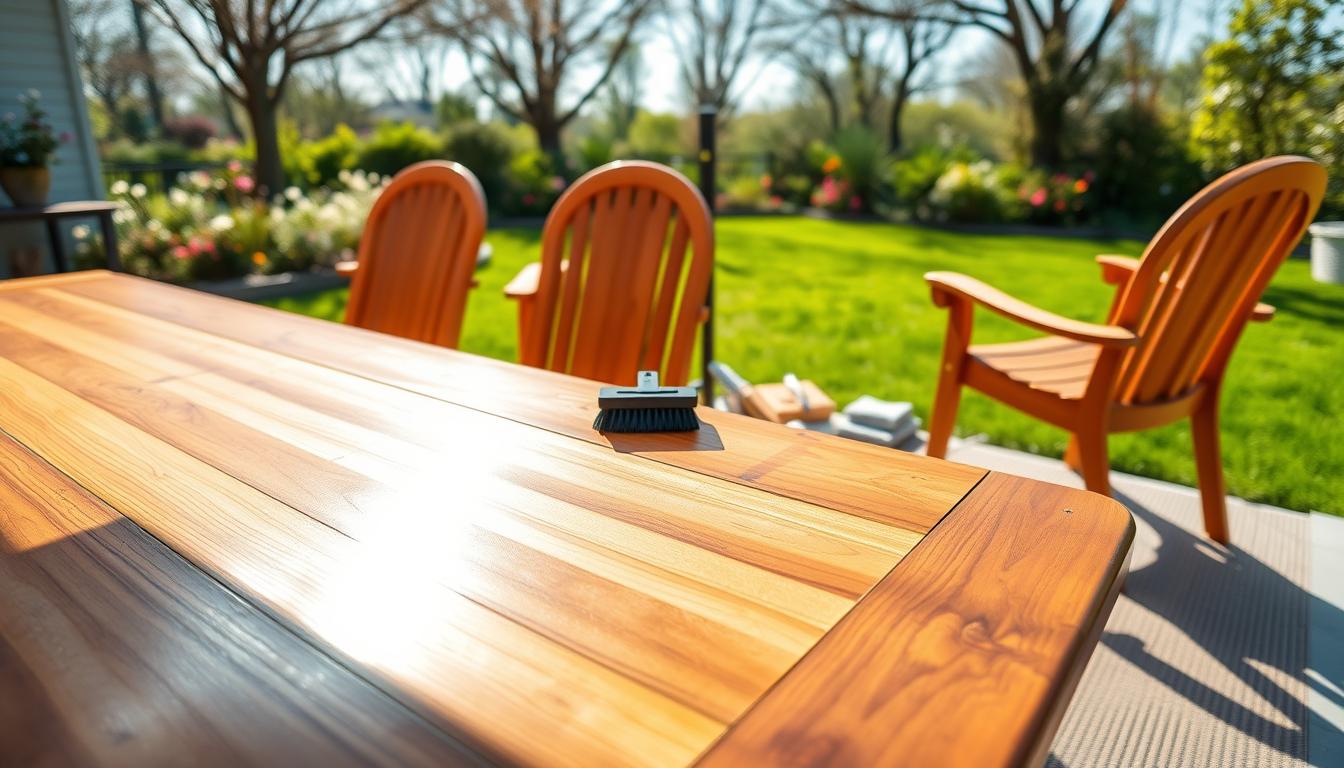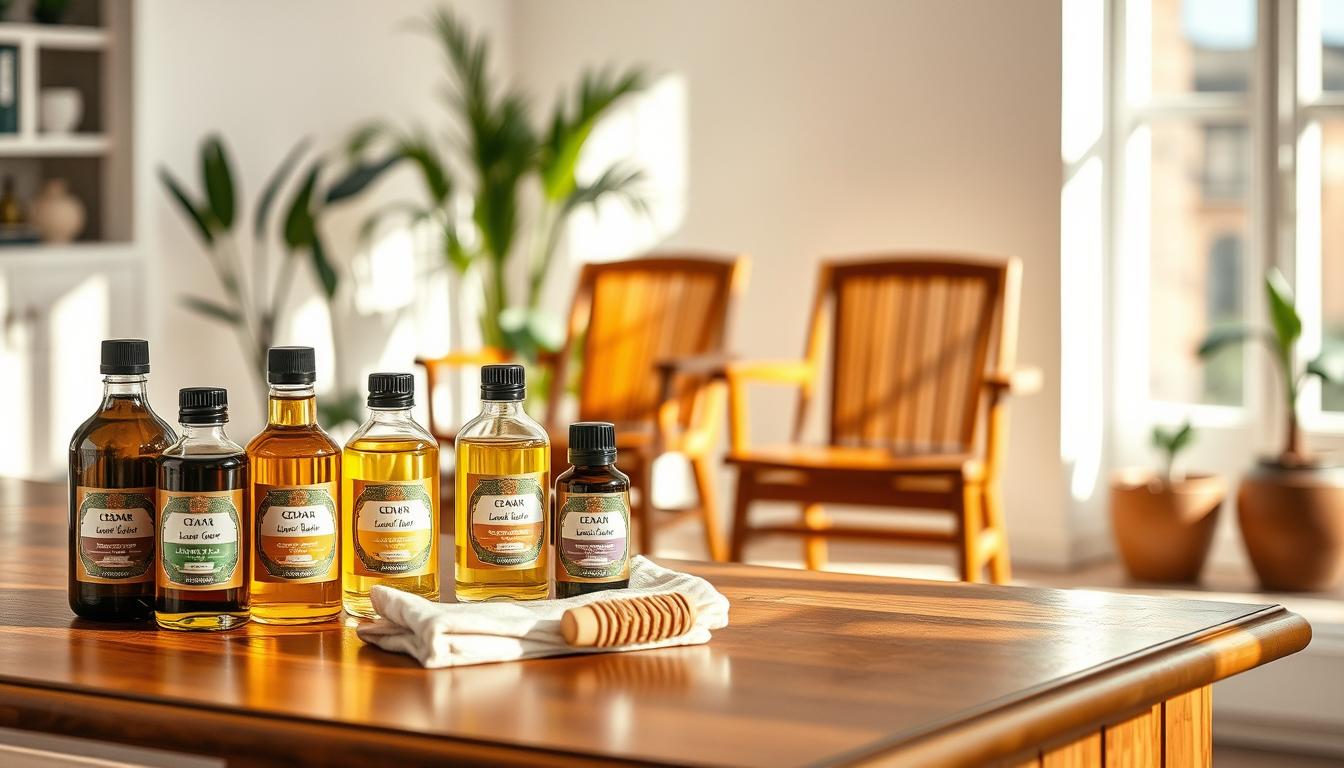

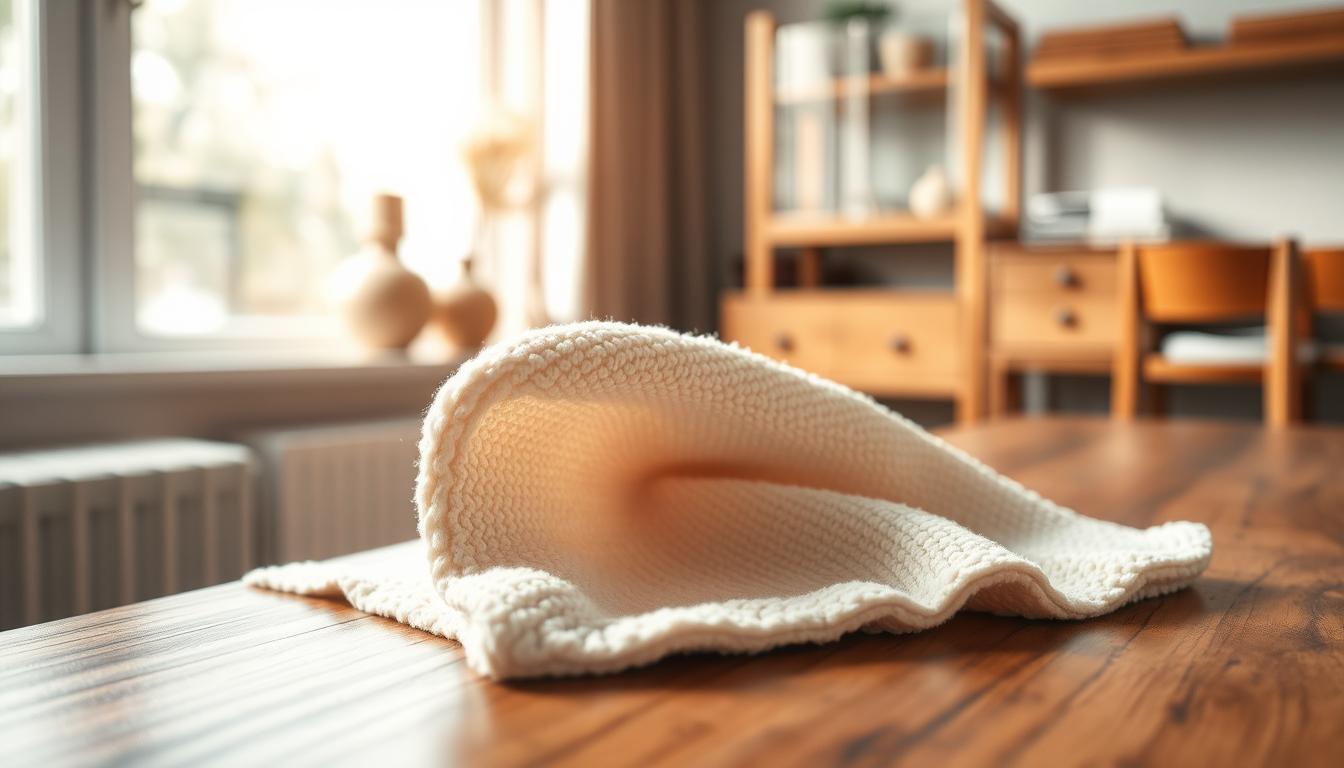
You want a clean, streak-free finish that protects your furniture and other surfaces. Polishing aims to remove dust, lift fingerprints and oils, and restore a gentle sheen without harming the finish. Choose a cloth that locks in dirt and moisture instead of spreading it around.
Ettore Wood & Furniture Microfiber Cloths offer an ultra-soft, suede-like texture that attracts and traps dust, dirt, oil, and moisture. They buff to a streak-free look with a few gentle passes and cut the need for chemical cleaners.
Using the right cloth matters as much as the product you apply. On tables, chairs, and desks where oils build up, a reusable cleaning cloth saves you money and keeps finishes looking refreshed.
Key takeaways: Use a gentle, lint-free cloth that lifts grime without residue; prefer reusable cloths that protect finishes and reduce long-term price and waste.
What makes microfiber the best choice for polishing wood surfaces
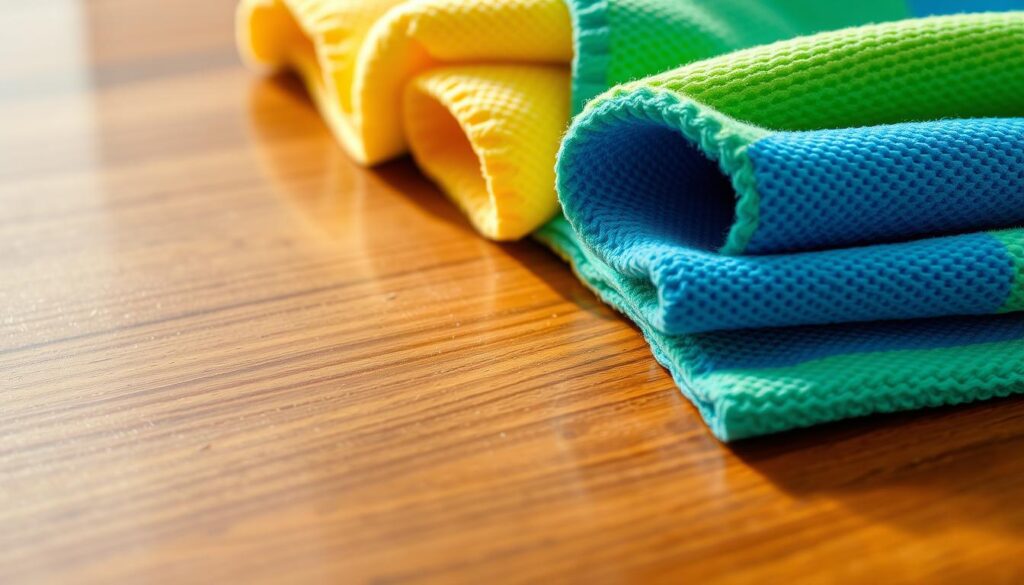
A tightly woven fabric uses static charge, friction, and tiny channels to trap dust, dirt, and oils safely.
How the material lifts and locks grime
The fibers build a small static charge that attracts fine dust and dirt. Friction and capillary action pull oils and moisture into the weave so you remove residue instead of spreading it.
Scratch-free polishing for delicate finishes
Non-abrasive construction means you use light pressure and protect finishes on furniture and cabinets. Keep the cloth clean and fold it to expose a fresh side to avoid grit that can cause micro-marring.
Streak-free buffing with a few gentle passes
Fold the cloth, use a clean face, and make a few slow passes along the grain. That simple technique buffs to a radiant, streak-free surface without sprays.
Why reusable cloths beat disposables
- No lint or residue left like paper towels.
- Reduces dependence on chemical cleaning when oils are lifted physically.
- Safe to use near screens and your computer as a one-cloth solution.
Microfiber for wood: where you’ll see the biggest difference at home and at work
Quick passes with a soft cleaning cloth make a clear difference on desks, dressers, and entryway rails. You’ll remove fingerprints, light haze, and oils without adding lint or streaks.
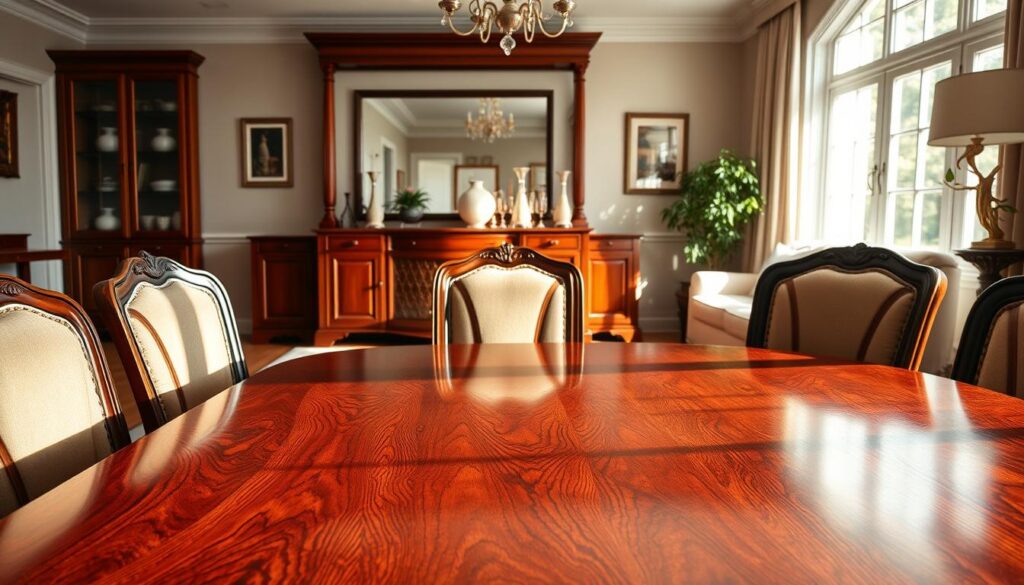
Wood furniture touch-ups that restore shine without leaving lint
Use a clean, dry cloth to buff tables and nightstands. A few gentle strokes along the grain lift oils and restore a consistent sheen.
Safe detailing for cabinets, trim, and high-traffic surfaces
Edges, grooves, and hardware-adjacent trim need a non-abrasive approach. The soft weave avoids snagging and lets you repeat cleaning often without harm.
Multi-surface use on screens and electronics near wood without scratching
When you tidy a room, bring the same cloth to screens and your computer. It’s safe on monitors and phones, so the whole area looks uniform and professional.
- Daily wins: quick touch-ups that beat paper towels.
- Work settings: offices and retail displays polish fast under bright lights.
- Plan ahead: choose the right pack and allow shipping time if you’re outfitting multiple rooms.
Consider ettore wood furniture positioning when you buy. Then share a short upkeep routine so everyone uses the right cloth and protects finishes long-term.
Choosing the right microfiber cloth for wood polishing
Pick a polishing cloth that combines gentle touch and practical size so you work faster and safer. An ultra-soft, suede-like texture is the best indicator that a cloth will lift dust, dirt, and oils without dragging debris across delicate finishes.
Look for a 13″ x 13″ face so you can fold into clean quadrants and switch sections as you buff. That size gives control on tables, cabinets, and trim while still covering enough surface to be efficient.
- Non-abrasive construction: essential around edges and profiles to avoid micro-marring.
- Care: reusable and machine washable to extend life and reduce waste.
- Usage tips: shake out or refold to expose a fresh side; keep separate cloths for heavy cleaning jobs.
Ordering basics: compare pack options (single, multi-pack, bulk), price per cloth, and expected shipping. Most stock ships from North Carolina; small parcels placed before 12:00 PM (Noon ET) typically process within 24 business hours, freight within 72, and expedited is available. Visit the showroom at 1000 North Horner Blvd, Sanford, NC if you want to see samples.
If a product page is blocked, it often needs JavaScript or an updated browser. Try disabling extensions, try disabling extensions one by one, or check whether an extension blocked the page to finish your purchase.
Conclusion
Conclusion
Using a dedicated polishing cloth gives you safer, more consistent results than lint-prone disposables. You remove grime and restore shine without adding streaks or tiny marks.
Key benefits: a cloth that lifts and locks-in particles, reduces scratch risk through a non-abrasive weave, and buffs to a streak-free finish with minimal effort.
When you choose supplies, look at ultra-soft texture, practical size, and reusability. Pick the right pack for your space and judge price as cost-per-use. Allow time for shipping or processing if you need items quickly.
Standardize your routine and share it with anyone who cleans the area. That simple step protects finishes and keeps surfaces looking polished day after day.