
Fixing sticky drawers is simpler than you think. Most binding comes from seasonal swelling of wood fibers, not poor build quality. You can often solve this with household supplies and a little patience.
In this short guide you’ll learn to spot the rub point, clean and prep surfaces, and choose a low-mess lubricant for wood-on-wood contact. I’ll also mention one or two store-bought options if you want longer-lasting results.
“Sticky” feels like hard-to-open or hard-to-close motion, or sudden binding halfway. That differs from a truly stuck drawer that won’t move at all. Work slowly to avoid forcing parts and denting old edges.
Expect quick checks to take minutes, light cleaning a few more minutes, and testing plus reapplication as needed. These small steps save you time and keep your furniture looking original. Use these practical tips and you’ll have smooth glides and less fuss in your home.
Why old wood drawers start sticking in the first place
Most problems begin with the air and a little grime. Changes in humidity and moisture swell wood fibers so a once-smooth fit can suddenly rub. Dirt and buildup then turn a small drag into a jam.

Humidity and swelling raise friction
When humidity or moisture increases, the drawer sides and bottom may expand. That extra thickness creates more friction where wood meets wood.
Warped boxes and misaligned runners
Older wooden boxes can twist or sag over time. Slight warps change how the drawer rides on runners and can scrape along the rails.
Dust, grime, and gritty slides
Dust acts like sand in a joint. Built-up grime on slides or the center rail makes motion feel gritty and speeds wear where parts contact each other.
- High-moisture rooms (kitchens, bathrooms) often show the issue first.
- Swelling causes binding at the front or halfway in.
- Cleaning and reducing friction usually fixes what you can control.
Understanding these causes helps you target the right repair steps. You’ll focus on cleaning and reducing contact wear, then manage seasonal movement to keep your furniture sliding smoothly.
Quick checks before you fix anything
Make sure you do a short inspection first — that often finds an easy, no-tools solution. Pull the drawer out partway and look for obvious things that block the runners.
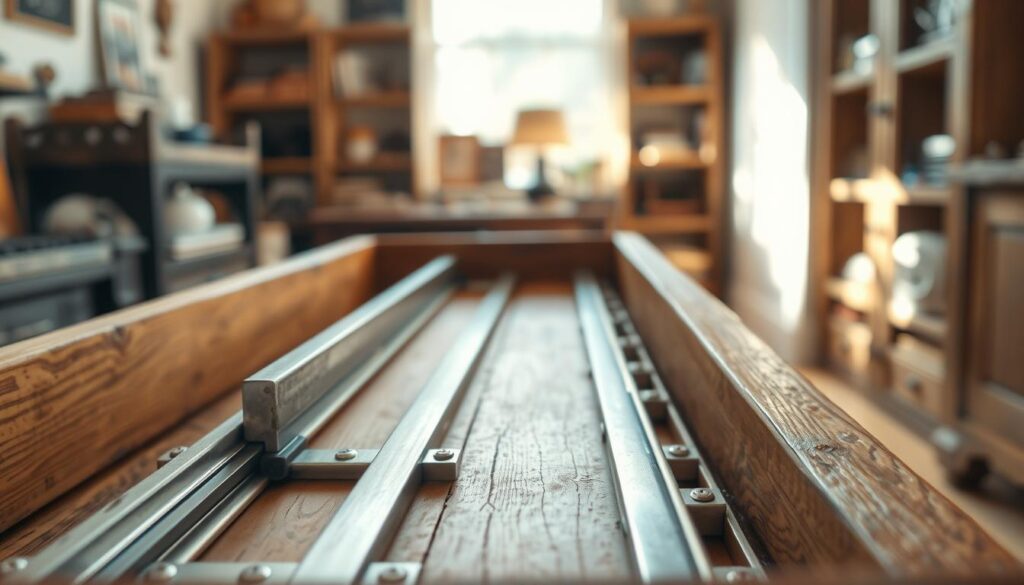
Look for hidden obstructions
Check for crumbs, broken wood bits, a fallen utensil, or a loose nail or screw. A single small piece can make a drawer act like a stuck drawer.
Tell a blocked path from a tight fit
Gently move the drawer in and out a short way. If it stops suddenly, you likely have a blockage. If it drags evenly, the fit is tight where two surfaces meet.
- Inspect both the drawer and the cabinet opening for shiny rub marks or dark scuffs that show the main contact areas.
- Wipe the runners and edges lightly with a dry cloth so you don’t grind grit into the wood when you test again.
- Focus on the main rub spot instead of treating every surface; older pieces show uneven wear.
These quick checks can save time because removing simple things often restores smooth movement without more work.
How to find exactly where the drawer is sticking
Use simple hands-on checks to locate the exact rubbing spot before you add any lubricant. This saves time and prevents unnecessary wear.
Wiggle test: left-right and up-down
Insert the drawer partway so it sits in the opening but still moves. Gently shimmy it left-to-right, then up-and-down.
If you feel play one way but a lock the other, note which motion stops first.
What the wiggle results mean
Play on the sides usually points to a tight sidewall. Little or no vertical movement often signals a high spot on the bottom edge or a raised center rail.
Inspect the obvious contact areas
Look along the bottom, the inner sides, and any center rails for shiny spots, worn lines, or dark scuffs. Those marks show repeated contact and the exact place to treat.
Quick test-fit workflow:
- Test-fit the drawer, note where it binds.
- Remove the drawer and inspect the marked areas.
- Re-fit to confirm the same spot locks up before you apply wax or lubricant.
Avoid forcing the piece; even a bit of extra pressure can damage old wood fibers. Next up, clean and prep the contact points so any lubricant works as expected.
Cleaning and prep that makes every no-tools fix work better
Before you add anything, remove grit and old residues so the surfaces meet cleanly. A few small steps now save effort later and help a no-tools method hold up over time.
Wipe dust and grime with a damp cloth
Use a damp cloth to lift dust and grime from the drawer faces and the slides. Dirt acts like sand and wears wood fast, so clean contact areas first.
Remove built-up soap residue
If bar soap was used before, scrape away any white buildup before you reapply a lubricant. Old soap attracts dust and can form a gritty layer that undoes your work.
Dry everything and control the mess
Dry all contact points with a clean cloth so wax or graphite can adhere rather than mix with moisture. Put down a sheet of paper under your work if you’re in a busy kitchen or common area.
- Why this matters: lubricants bond best to clean surfaces, so you avoid faster wear.
- Cleaning and drying take only a few minutes but improve every no-tools method.
- Keep simple things tidy to protect your home furniture.
Fixing sticky drawers with no-tools lubricants that reduce friction
A few household lubricants will cut friction fast and let your old wood glide again with minimal effort. Start with the gentlest option and test before moving to stronger products.
Wax or a candle for classic wood-on-wood slides
Rub paraffin or beeswax along the contact areas on the drawer sides and matching slides. A candle works in a pinch; wipe off excess and test the fit.
If the drawer still drags, add a second light pass. Wax reduces friction without leaving greasy residue.
Bar soap and graphite for quick touch-ups
Rub a plain bar soap lightly on the rubbing spots and runners for an inexpensive glide. Clean old soap buildup first so dust does not stick.
For tiny hot spots, shade the area with a regular pencil to deposit graphite. This is ideal for minor wear and fast touch-ups.
PTFE and silicone sprays, plus specialty products
Choose a dry spray that lists PTFE to avoid oily residue. Apply a light coat along the rails and let it dry before testing.
Silicone spray lasts longer but use sparingly. Keep overspray off floors — especially in the kitchen — and clean any excess right away.
SlipIt and similar products go on with a brush or cloth. Let them penetrate, test after a few pulls, and reapply in 24–48 hours if very dry wood soaks up the first coat.
- Choose by need: wax for classic wood-on-wood, soap for a quick fix, graphite for small rubs, dry sprays for low-residue performance.
- Work in small amounts and insert the drawer several times to spread the lubricant evenly.
- Stop when motion is smooth; excess product can attract dust or make floors slippery.
When no-tools isn’t enough: light smoothing options for stubborn drawer sticking
If lubricants help only briefly or the drawer still binds at the same spot, you likely have a high spot or slight warp that needs gentle smoothing. Start small and test often so you don’t remove too much wood.
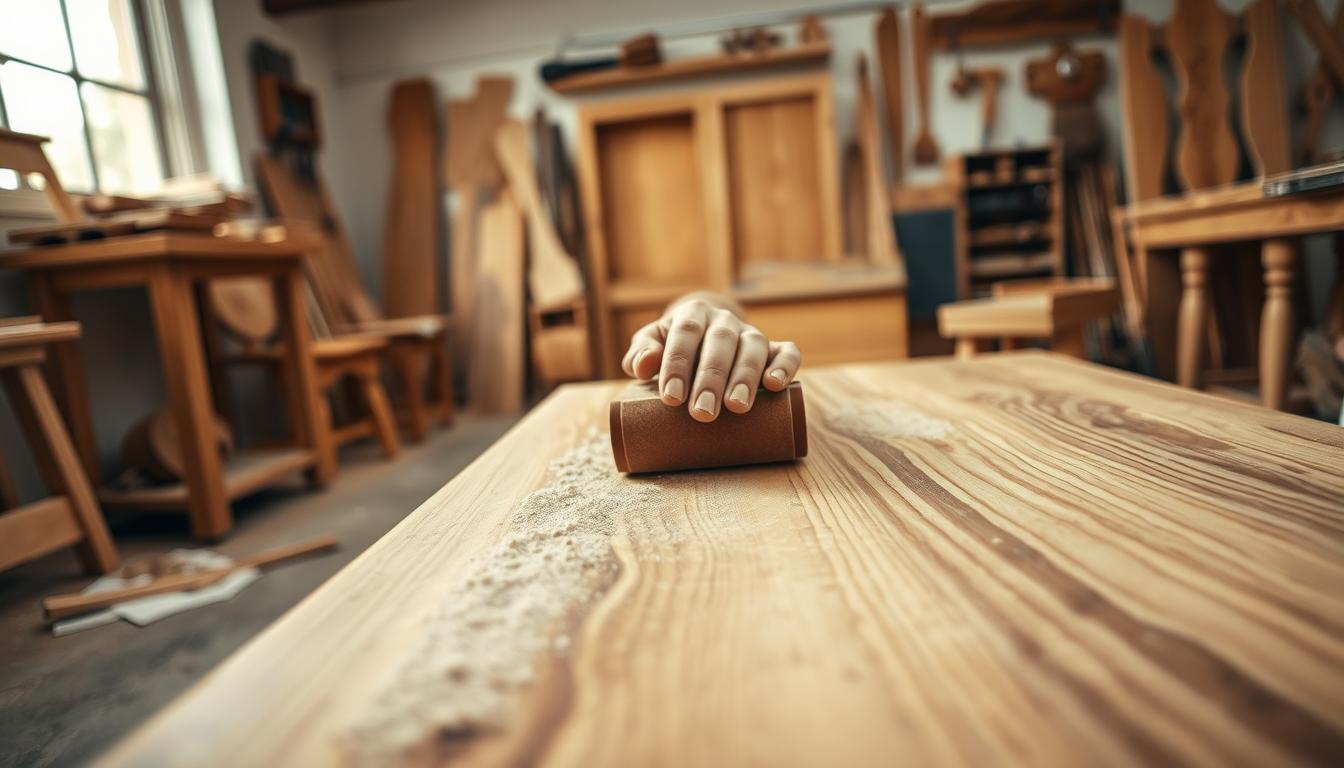
Sanding guidance: Use medium-grit sandpaper (around 180–220) and sand the high-friction area on the drawer side, bottom edge, or the corresponding rail. Take off tiny amounts at a time and check the fit after each pass.
Wipe away dust with a clean, dry cloth before each test. Leaving grit on the surfaces can create new friction and hide the real problem.
- Decision point: if lubricants fail repeatedly, sanding pinpoints the issue.
- Work little by little—you can sand more, but you can’t put wood back.
- Clean dust between passes so tests reflect the true contact.
Nylon slide tape option: For a longer-lasting fix, use nylon drawer slide tape. Prep by lightly sanding with ~100-grit, vacuum dust, and remove any wax or soap residue so the adhesive bonds to clean wood. Note that tape takes more prep and time, but it reduces ongoing maintenance compared with seasonal products.
Keep drawers sliding smoothly in your home over time
A little routine care at certain times of the year prevents the most common jams and prolongs the life of your furniture. Seasonal swelling from high humidity is the usual culprit, so plan simple touch-ups when the air feels muggy.
Reapply wax or a dry lubricant on a schedule
Recoat contact areas with wax or a PTFE dry spray at the times you notice extra drag. In many homes, that means once or twice a year; in damp seasons, check more often.
Control moisture where you can
Limit moisture swings in the kitchen and bathroom by running vents, cracking a window when weather allows, or using a dehumidifier in the problem room. Stable conditions reduce repeat work and protect the whole piece.
- Avoid slamming and pull drawers straight to extend their life.
- Choose low-residue options (wax or PTFE) to cut cleanup and dust attraction.
- Inspect every few months for new rub marks so you can treat small spots before they bind.
Conclusion
To finish, follow a short, repeatable routine so old wood moves freely again without new parts or big work.
First, find the exact rub point, clean the contact, then try a small amount of wax, candle, soap, or a graphite spot. Test after each change and stop when the motion feels smooth.
Most trouble comes from wood movement and wear, not a failed slide. You can often restore smooth travel without replacing the slides or upsetting nearby metal hardware.
Specialty products like SlipIt have a long history—originally freeing stuck windows—so they’re a good step when quick household tricks don’t last.
If a drawer still binds, reassess alignment and consider a bit of light sanding or nylon tape next. Protect surrounding finishes and use paper under your work to catch any mess.
Try these simple tricks across nightstands, dressers, and other projects so more pieces glide with less fuss.