
Yes—but with care. If you want fewer harsh chemicals in your home cleaning routine, using concentrated plant extracts is a natural option. About 17% of U.S. shoppers look for cleaner, greener products, and these extracts can play a role in gentle stain lift, polishing, and adding a pleasant scent when diluted correctly.
In practice, people add tiny drops to a simple polish or a light spray rather than applying an oil straight to furniture. This approach helps avoid residue, finish damage, and uneven shine.
Two main goals guide your choice: cleaning and scent. Pick the right extract and method based on the surface and room. Later on this page, you’ll learn about patch testing, finish sensitivity, allergy risks, and safe dilution.
By the end of this article section you’ll know how to choose the best extract for a task, make a DIY polish, clean without soaking wood, and use diffusers or sprays without harming nearby surfaces.
What to know before you use essential oils on wood furniture
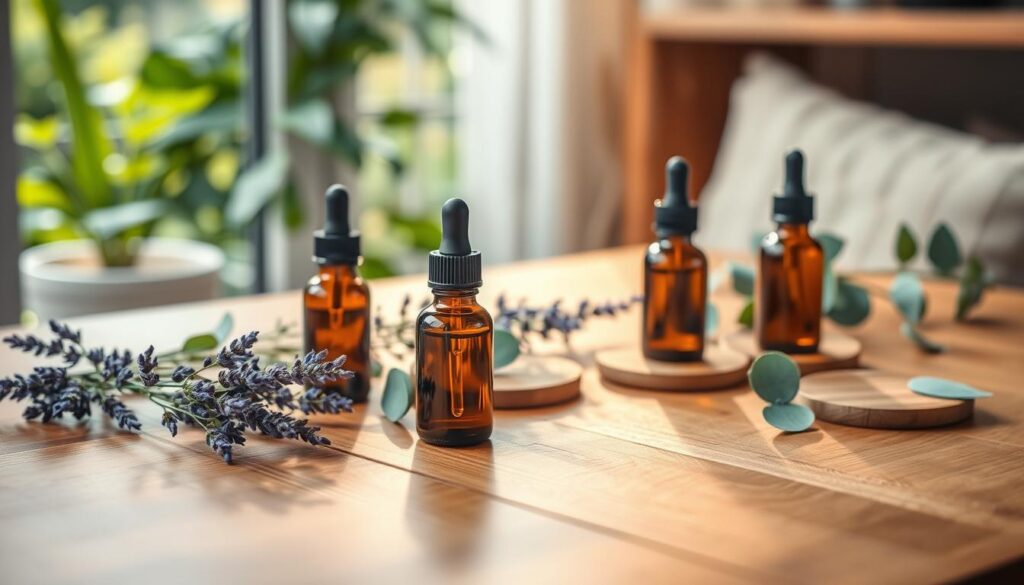
Think of aromatic extracts as potent additives that work best when blended into a mild solution. They are concentrated plant extracts, so you use drops in a mix rather than a full-strength product.
How they fit into cleaning and why dilution matters
Because these extracts are concentrated, dilution protects finishes. Too much oil leaves sticky residue, attracts dust, or causes streaking that dulls a surface over time.
Patch testing and allergy checks
Always follow dilution instructions on packaging. Test a small hidden spot, let it dry fully, and inspect before treating a visible area.
If someone at home reacts to the plant source, avoid that extract entirely. Be cautious with bare skin around freshly treated surfaces.
Finish types and when to avoid use
- Sealed or varnished: usually safe with light dilution.
- Waxed or unknown: test first or skip use.
- Antiques or unstable finishes: do not apply—seek professional advice.
Essential oils for wood: choosing the right oil for your goal
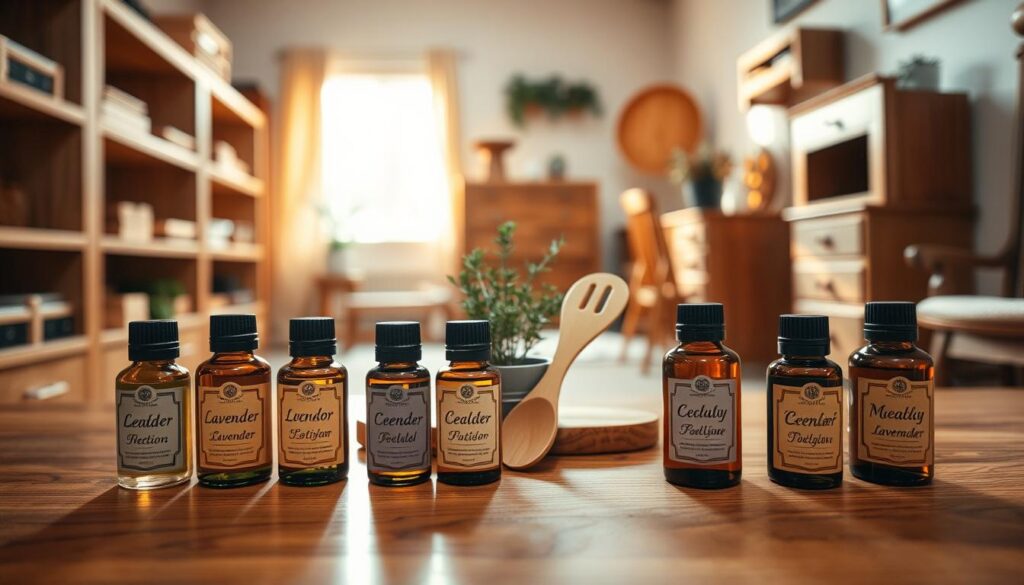
Choose each extract based on the outcome you want: polish, deodorize, or add a room-appropriate aroma. Below are practical picks and where they work best on furniture.
Polish and a woody aroma
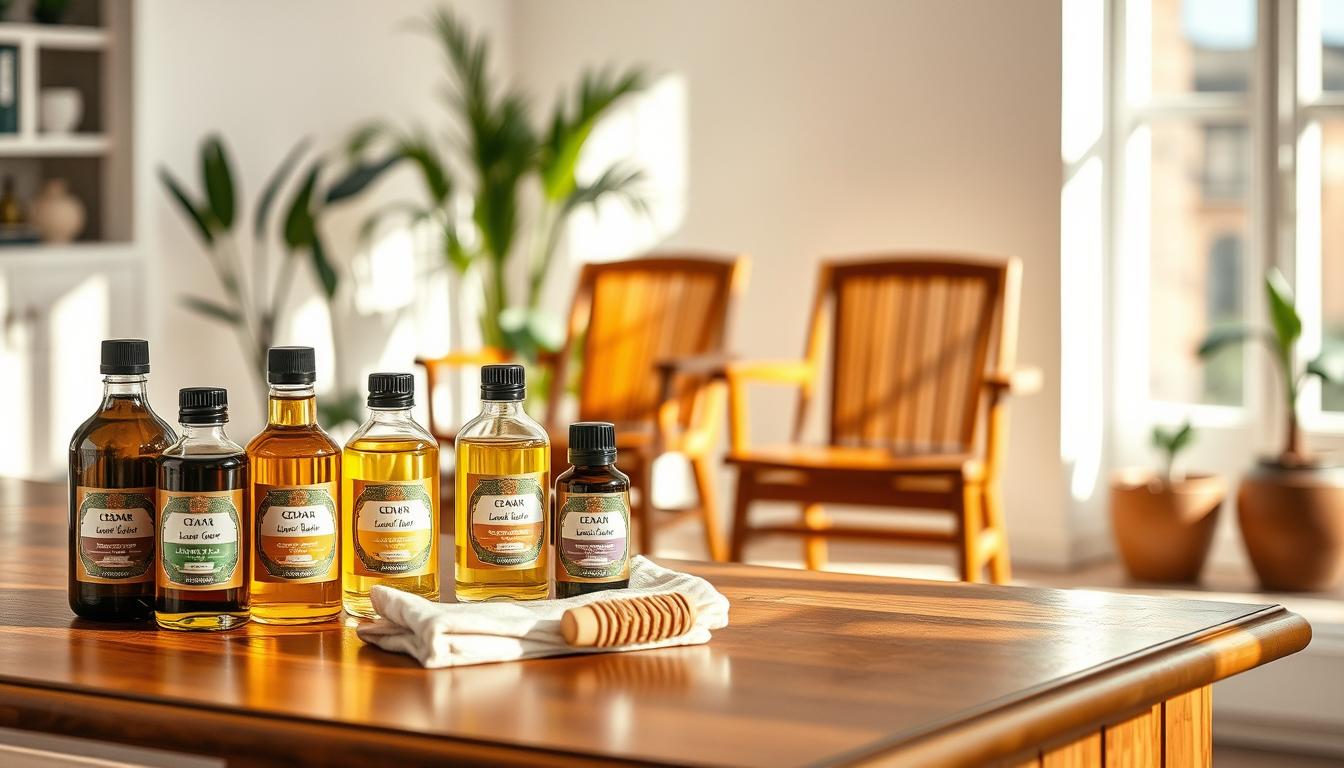
Cedarwood and pine are wood-forward picks. Cedarwood gives a rich, warm aroma and helps polish finishes when diluted. Pine offers a balsamic, forest-like scent that suits desks and shelving.
Calming, clean scent
Lavender brings a sweet floral-herbal tone. Use it in bedrooms or living rooms when you want a soft, non-food scent that pairs well with linens and upholstery.
Bright, freshening citrus
Lemon, lemongrass, and orange sweet add fresh, citrus notes. Lemon is bright in a polish, lemongrass works in all-purpose cleaners, and orange sweet gives a rich citrus aroma and may help reduce bacteria.
Targeted cleaning properties
Tea tree and eucalyptus offer specific cleaning properties. Tea tree has research-backed pathogen-fighting potential. Eucalyptus is useful on certain stains and in sprays. Always dilute and test first.
- Match citrus near kitchens and entries.
- Use lavender in quiet rooms.
- Choose woody oils for offices and large wooden pieces.
- Start with fewer drops, then adjust to suit the room and finish.
DIY wood furniture polish spray you can make at home
Make a simple spray that balances shine and cleaning power with pantry staples and a few drops of scent. This blend uses olive oil for gentle sheen and white vinegar to cut light grime without soaking the surface.
Olive oil, white vinegar, and essential oil drops blend for shine
Mix 1/4 cup olive oil with 1/4 cup white vinegar in a spray bottle. Add 10 drops of cedarwood essential oil.
Treat the added extract as a potent additive — it flavors the spray, it is not the base. Shake before use.
Swap-in scent options: cedarwood vs lemon vs lavender vs orange
Use the same recipe and swap the 10 drops with lemon, lavender, or orange to match your room’s scent. Start with 10 drops and adjust slightly if you prefer a lighter aroma.
How often to polish wood furniture over time for best results
Dust first, mist lightly, then buff with a clean, dry cloth. Polish about once every two to three months.
- Avoid over-polishing — buildup can occur depending on finish and use.
- Patch test on a hidden spot if finish is unknown.
How to clean and deodorize wood safely with essential oil sprays
Keep sprays light and controlled so finishes don’t gather residue or haze. Start by dusting with a soft cloth or microfiber. Removing grit first prevents tiny scratches when you buff later.
Everyday dusting spray technique that won’t soak the wood
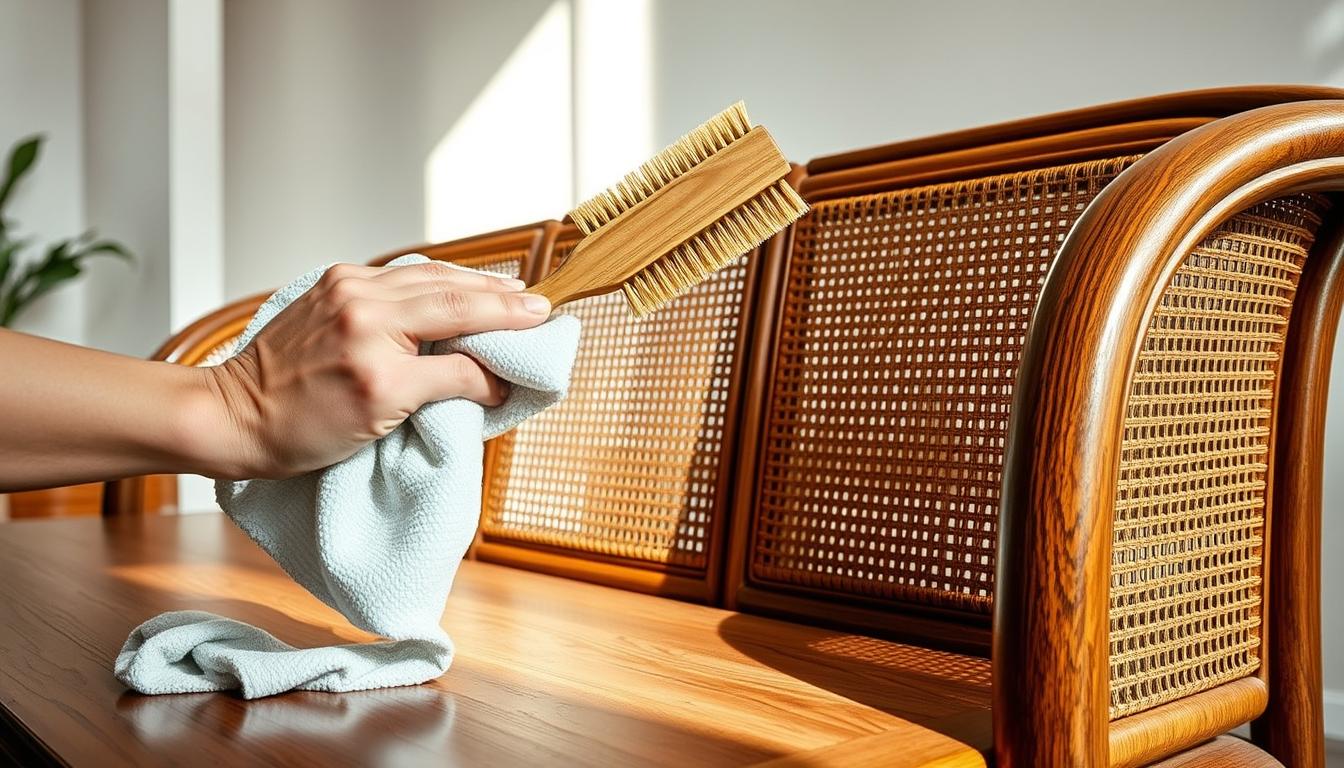
Mist your solution into a cloth, not directly on the surface. Work in small sections and buff with a dry cloth until the surface looks even. This gives you shine without leaving a wet film that can swell the wood.
When a bowl-and-spray-bottle method works better than direct application
Blend the oil and carrier in a bowl first to help the scents and oil marry evenly. Pour a small amount into a spray bottle and label it. This reduces separation and lets you test a small batch before committing to a whole bottle.
- Use a light mist for daily care; heavy sprays invite haze.
- For musty drawers, place a cotton ball with a drop of essential oils inside—don’t soak the wood.
- If you see streaking or a greasy film, stop and wipe with plain cloth.
How to use essential oils around your home without damaging surfaces
Design separate routines: use stronger mixes on non-porous counters and milder care near finished furniture. That helps you protect delicate finishes and still enjoy scent and cleaning power in the rest of the house.
Eucalyptus-based all-purpose cleaner (non-wood surfaces)
Make this DIY cleaner: in a bowl mix 1/2 cup white vinegar, 1 cup hot water, 1/8 tsp liquid dish detergent, and 6 drops eucalyptus oil. Pour into a bottle and shake before each use.
Use on sinks, tile, and sealed counters only. For a more concentrated option, mix water with 2 tsp eucalyptus oil and 1 tsp dish soap.
Spot-cleaning stains with careful testing
Always patch test hidden fabric, carpet, or leather. Apply a tiny amount, wait, and check. If color or finish changes, stop immediately.
Use minimal product and blot, don’t rub. If skin contact occurs, wash the area with soap and water.
Diffuser vs spray for air aroma
Use a diffuser to add air scent without wetting surfaces. Sprays reach fabrics but risk overspray on finishes. Keep sprays 2–3 feet from sensitive pieces and wipe any stray mist right away.
Choosing high-quality products
- Pick 100% pure essential oils with no additives.
- Prefer transparent sourcing and USDA organic if available.
- Buy from ethical suppliers and check batch testing when possible.
Conclusion
A careful, low-volume approach protects surfaces and keeps your furniture looking its best. Use light dilution, test finishes, and avoid soaking the wood. Small, regular touches prevent buildup and keep finishes even.
Start with a simple DIY polish that balances oil and vinegar, apply with a soft cloth, then buff until dry. Polish about every two to three months to maintain shine and avoid excess residue. One measured essential oil in the mix adds scent without overwhelming the room.
Choose oils by goal: woody notes for study pieces, floral for bedrooms, and citrus to freshen entries. Keep aroma mild and adjust to the space.
Safety checklist: patch test first, stop at signs of residue or dulling, and avoid known allergens when using essential extracts. The best results come from consistency and restraint—small amounts, a clean cloth, and a method that protects your furniture’s finish to reap the full benefits.