
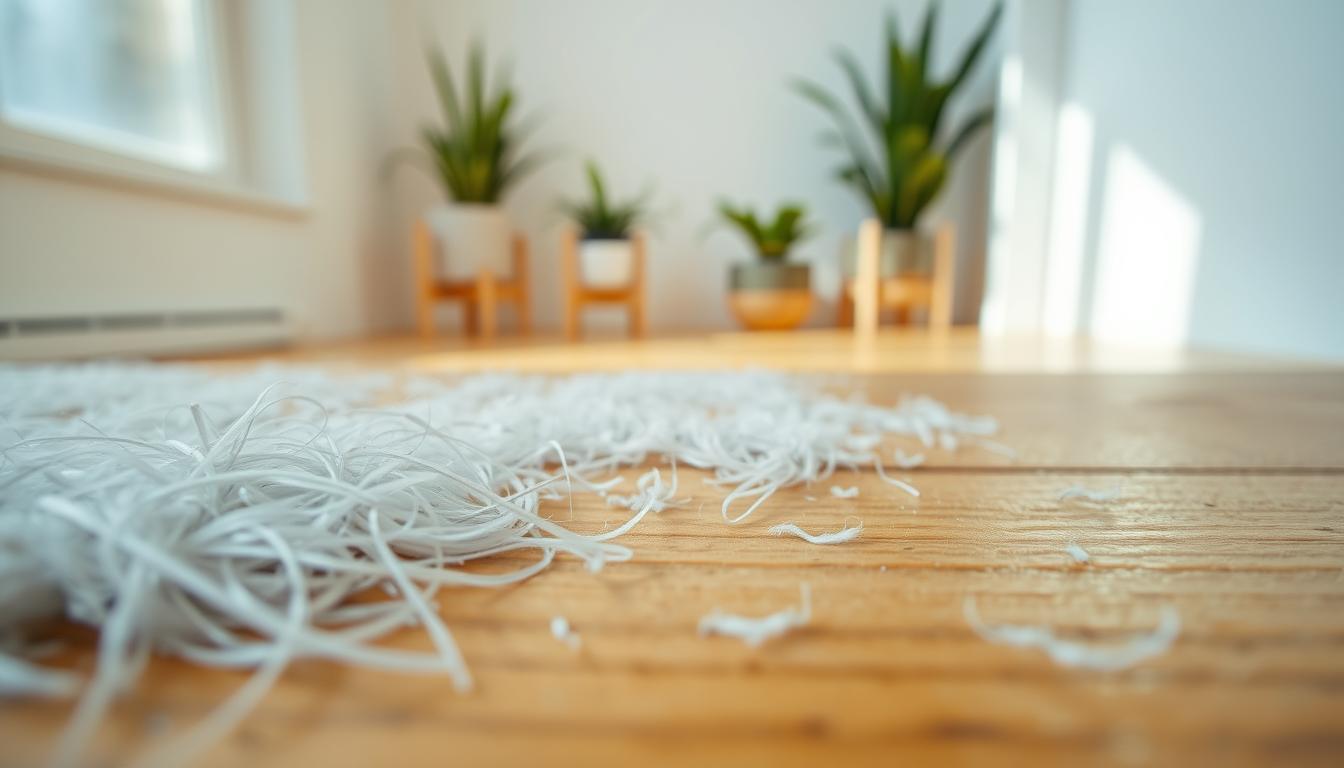
Real homes with pets can feel like fur tornadoes, especially in entryways or sunlit rooms. Dark hardwood and bright windows make every speck stand out. You’re not only cleaning visible pet hair; you’re also stopping static so fur and dust don’t leap back onto floors and furniture.
This short guide follows a clear, two-part approach. First, you’ll learn how to pick up loose hair without scratching finishes. Then you’ll neutralize static and finish with a wood-safe clean so surfaces stay cleaner longer.
Wood is deceptively tricky: sealed finishes let fur slide and gather into tumbleweeds. This article covers hardwood floors, baseboards, and wooden furniture where shed fur clings. You’ll get a repeatable routine that fits real life—quick daily passes between deeper cleans.
Whether you have a dog or a cat, you’ll find quick spot-clean tips for guests or heavy-shed seasons. Every step favors dry pickup first to avoid grinding fur into the finish and to protect your wood.
– Quick dry pickup prevents damage and resettling.
– Two-part method: safe removal, then static control.
– Works for floors, baseboards, and wooden furniture.
Why pet hair and static cling to wood surfaces in your home
Bright light and household movement make fur and fine dust suddenly impossible to ignore. Sunlight pouring through large windows creates contrast, so fine strands and dust jump out on dark or glossy hardwood floors.
Foot traffic moves hair off rugs, beds, and furniture and pushes it toward edges and narrow paths. As you and your dog walk, loose fibers get nudged into choke points and along baseboards.
How airflow and light reveal buildup
Simple air currents from HVAC returns, ceiling fans, or open doors roll loose material into tumbleweeds. Those little rolls travel until the air slows down and they collect in corners, thresholds, and under consoles.
Why hair gathers at furniture bases
Legs, baseboards, and tiny gaps act like windbreaks. Static and micro-gaps trap strands, so hair and dust concentrate around furniture feet and in tight areas rather than staying spread out.
Static electricity and seasonality
In dry conditions, friction and low humidity raise static on floors and finishes. That static makes dust and fur cling instead of sweeping away. Winter heating and AC often dry indoor air, so routine, light cleaning wins over waiting until buildup gets worse.
Next, you’ll choose tools that attract and trap hair rather than just push it around, and that reach the edges and tight spots where buildup repeats over time.
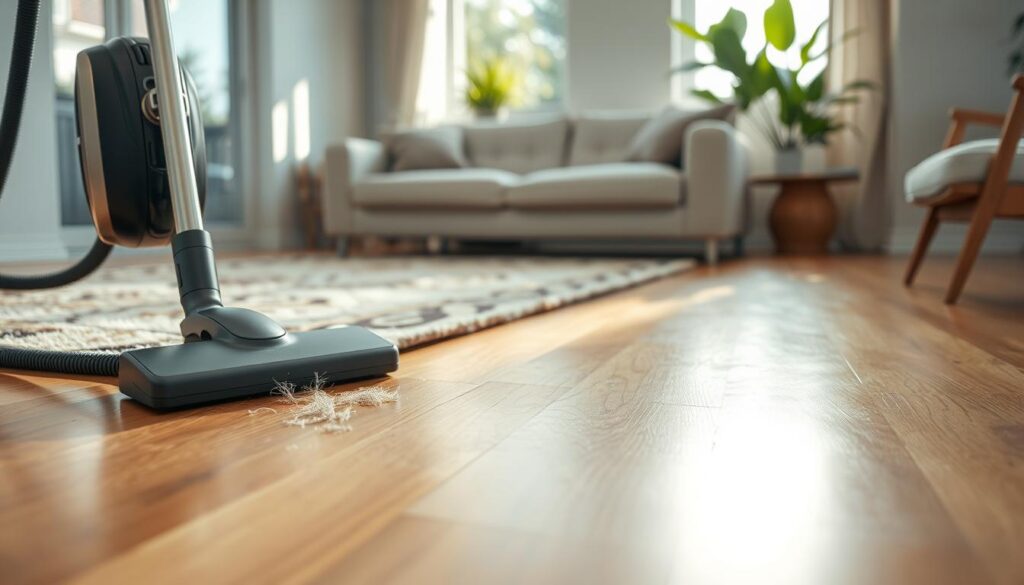
- Visibility increases with bright light and glossy finishes.
- Movement and airflow concentrate fibers at edges and corners.
- Static and micro-gaps make baseboards a frequent hotspot.
Get set up with the right tools for wood floors and wooden furniture
Start with gear that actually lifts loose fibers and won’t harm finishes. Pick tools that attract and trap so you remove strands instead of spreading them. Below are the essentials and what to look for.
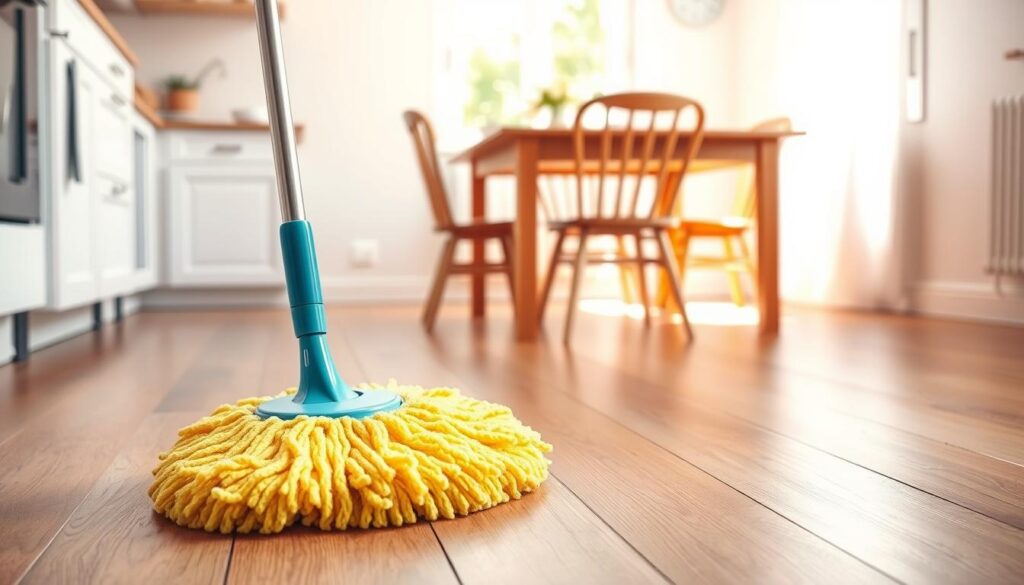
Microfiber dust mop and cloths
Choose a microfiber dust mop with a washable pad, a low-profile head to reach under furniture, and enough surface area to grab fur efficiently. Microfiber cloths work on shelves, table legs, and baseboards because they trap fibers in the weave instead of flicking them into the air.
Rubber broom and dustpan
Use a rubber broom when strands seem stuck to the finish or tumbleweeds keep reforming. The rubber grip pulls fibers into a pile; a dustpan then lifts that pile cleanly without leaving a halo behind.
Vacuum options and disposable cloths
A cordless stick vacuum or a pet vacuum cleaner is ideal for quick passes in high-traffic areas. Pick models with soft rollers or hardwood attachments and avoid aggressive beater bars.
Keep disposable dust cloths handy for three-minute, in-between cleanups in entryways and hallways.
Furniture spot tools
- Lint rollers for cushions and small spots — fast and simple.
- Fur-removing gloves to reduce shedding at the source; use outdoors when possible.
- Combine these tools for quick spot work on sofas and chairs.
Removing pet hair from wood without scratching or smearing
Start your cleanup with dry tools so loose fur lifts away without smearing finishes. Always begin with a dust mop, rubber broom, or vacuum to avoid turning loose strands into smeared clumps.
Dry pickup first
Begin along baseboards and furniture legs where fibers collect. Use long, overlapping passes across open floor areas so hair moves in one direction and doesn’t scatter.
Technique tips for hardwood floors
Long strokes reduce tool lifts and save time. Corralling “fur tumbleweeds” into a single pile with a rubber broom makes one clean removal simple.
When to switch tools
Switch to a cordless vacuum when strands hide under toe-kicks, between chair legs, or near vents. Use a crevice nozzle along baseboards and a soft brush on trim to lift fibers without scratching.
Wood furniture approach
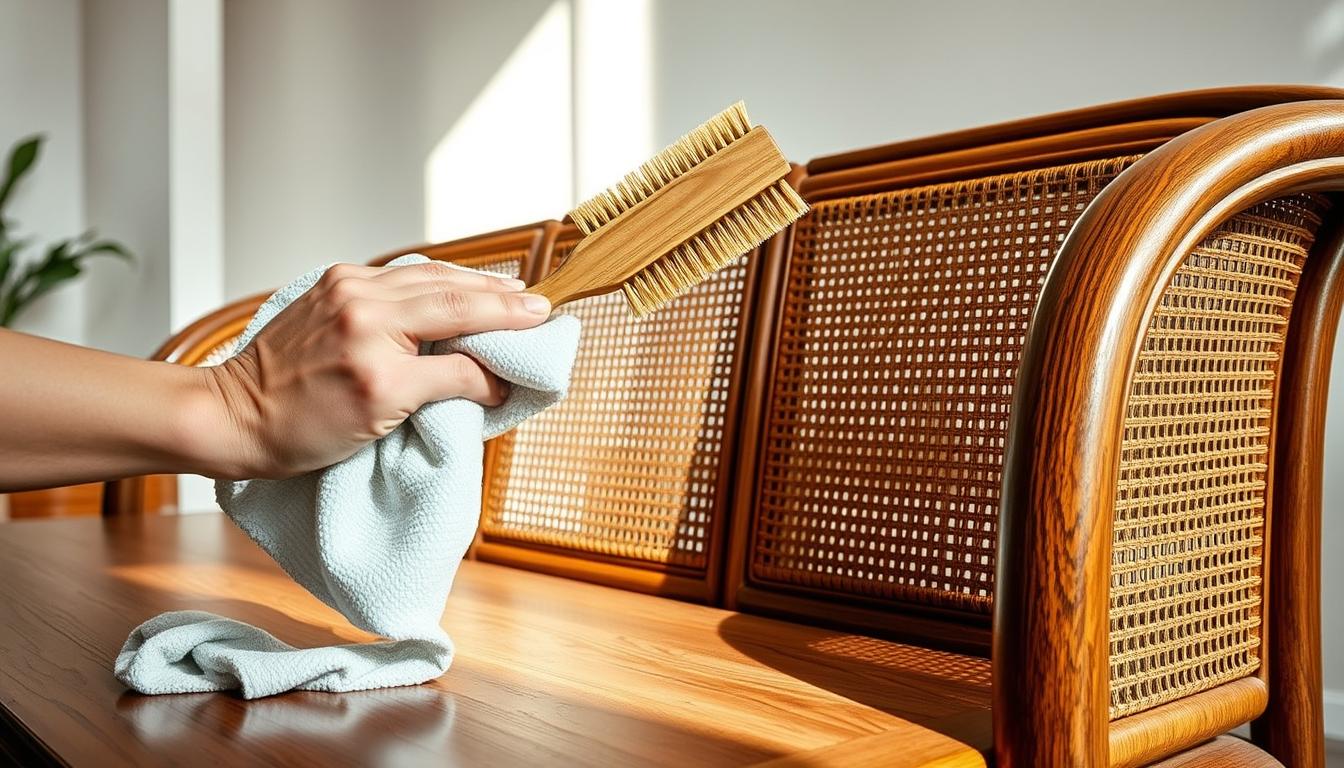
Wipe surfaces with a dry or slightly damp microfiber cloth using slow strokes to trap strands. Fold the cloth to a clean section as it fills, and keep a lint roller handy for quick spot-cleaning on benches or chair edges.
- Order: dry pickup first, then targeted vacuuming.
- Pattern: edges, furniture bases, then long passes across open floor.
- Tip: corral tumbleweeds and remove them in one pick-up for best results.
Remove static and finish with a wood-safe clean
After dry pickup, step through a short static-control and finishing routine to keep floors cleaner longer.
Using dryer sheets to reduce static and lift fur from hardwood floors
Lightly glide a dryer sheet across sealed hardwood after you sweep or vacuum. The sheet creates an electrostatic pull that lifts lingering fur and cut down cling.
Reuse each dryer sheet a few times until it loses grip. Treat fragranced sheets as an occasional helper rather than a daily solution to avoid buildup on the finish.
Choosing a non-toxic hardwood floor cleaner and when plain water isn’t enough
Pick cleaners labeled safe for sealed hardwood and follow dilution directions. A non-toxic hardwood floor cleaner means gentle ingredients, no harsh solvents, and no sticky residue that attracts more fur.
If you see a film, smudges, or stubborn cling near entryways, plain water won’t cut it. Use the recommended cleaner sparingly and dry quickly to protect the finish.
Polish, conditioning, and maintenance cadence
Polish or condition on the schedule your finish calls for. Proper conditioning reduces friction so stray fur slides into collectable lines.
- Quick maintenance: 3–10 minutes every few days in high-traffic zones.
- Deeper clean: weekly, or more during heavy shedding seasons.
- Prevention: use HEPA filtration, keep indoor humidity moderate, and groom your pets 1–2 times per week (daily for long coats).
Conclusion
Quick, repeated passes beat one long chore when strands collect in corners and along baseboards.
Follow the simple workflow: note where hair builds, keep the right tools ready, do dry pickup first, then tame static and finish with a wood-safe cleaner as needed.
Avoid wet mopping while loose strands remain. Too much moisture smears debris and harms the finish. Focus on baseboards, corners, under furniture edges, and entryways to stop spread across hardwood floors.
Make fast passes in high-traffic zones a few times each week and schedule a fuller clean on a set day. Groom your dog or cat and control indoor air to cut how much fur you must handle.
Stick to this routine and your hardwood floors and furniture will stay cleaner with far less effort.