
You want your outdoor stained pieces to keep their color and sheen. Direct sunlight and harsh rays cause chemical changes that fade surfaces over time. The right clear top coat slows that process and keeps things looking newer longer.
This guide shows what causes fading and what matters in a clear coat. You’ll learn how Weatherall UV GUARD ADVANCE Clear Wood Finish works. It forms a breathable film that repels moisture and improves color retention.
Expect a product-page style walkthrough: features to look for, how to apply the finish, and a simple maintenance schedule. The article focuses on exterior and sun-exposed areas where fading happens fastest, though many tips apply to bright interiors near windows.
Remember, the top coat is the sacrificial layer that takes most of the sun’s impact. Pair the right wood finish with proper prep, full coverage, and realistic upkeep to see the best results.
Why sunlight fades wood furniture and finishes
Long sun exposure causes lignin and pigments to break down, changing your furniture’s look. Photochemical reactions weaken fibers and alter tone even when a finish seems intact.
How rays break down lignin and shift color
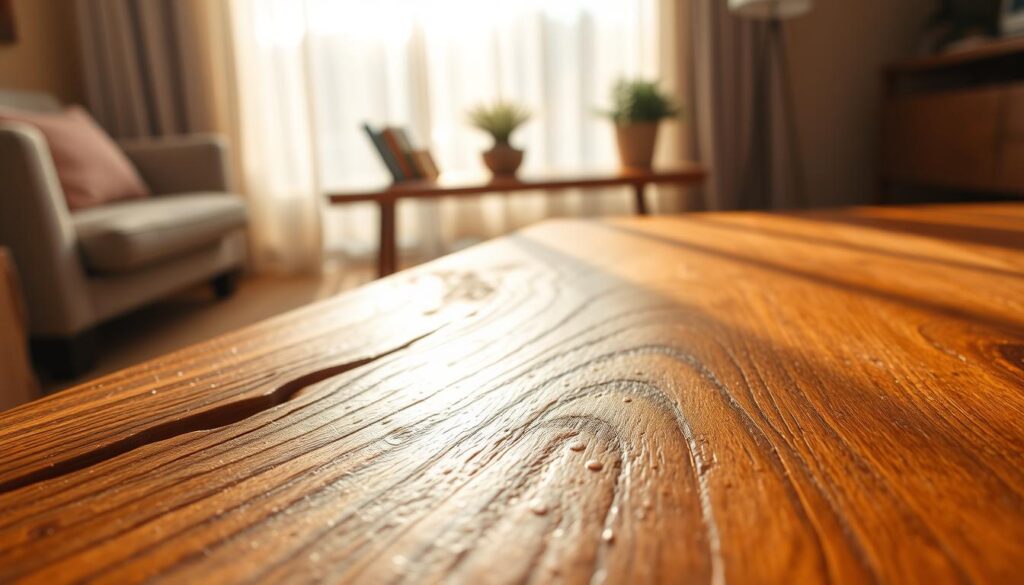
Sunlight attacks lignin inside the grain. As lignin degrades, the surface will lighten, yellow, or become uneven over time.
Why stained pieces still lose tone
Pigments can shift and binders can break down under long exposure. Clear coats also yellow or haze, so a sealed appearance can still fade.
Common signs to watch for
- Washed-out stain and loss of original color
- Patchy tone changes and uneven sheen
- Dull, dry-looking finish that makes grain appear thirsty
Moisture’s role and exterior vs interior
On exterior items, cycles of wetting and drying make coatings crack and let sunlight penetrate deeper. That swelling and shrinking speeds color loss and can invite dark water marks or biological stains.
Indoor pieces fade slower, but high-light spots near south- or west-facing windows can shift dramatically.
Takeaway: you are fighting a combined sun + moisture + temperature cycle, so choose a system that addresses both sunlight and moisture to keep your home surfaces looking their best.
UV protection for wood: what to look for in a top coat
A smart top-coat choice acts like a filter, slowing color fade and preserving your finish longer.
Clear, water-based coatings that add depth
Many homeowners pick a clear, water-based finish because it keeps the stain visible and adds modest depth and sheen. Water-based products dry fast, have low odor, and clean up with soap and water.
Breathable film and moisture control
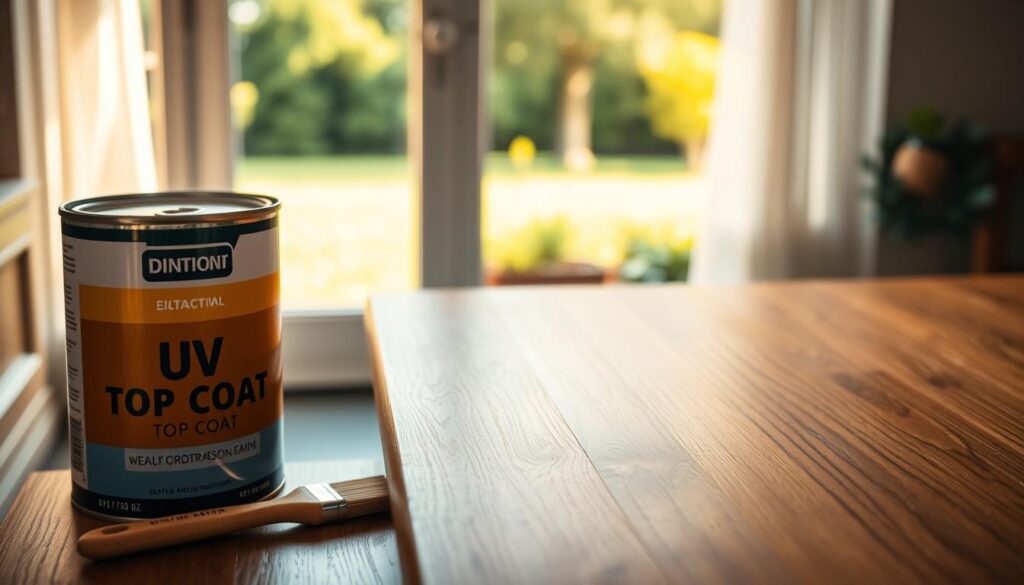
Choose a coating that forms a breathable film. In practical terms, this means the layer sheds surface water while letting trapped vapor escape. That balance helps your stain hold color longer and reduces peeling.
Long-term moisture and mildew defense
Long-term protection on exterior wood should include resistance to moisture intrusion and defenses against mold and mildew. Look for products that age well and need only simple maintenance, like a fresh coat on a clean surface.
- Compare UV performance, water resistance, and how finishes yellow over time.
- Weigh a satin or matte oil option against a clear water-based coat by considering look, breathability, and maintenance steps.
- Pick a low-VOC product if the job is near a porch, sunroom, or interior-adjacent area.
Decision tip: You’re buying a predictable system, not just a coating — match your stain and finish to cut repainting and keep color longer.
UV Guard Advance Clear Wood Finish overview
This clear top coat locks in your chosen stain while adding a soft, natural sheen. It is a water-based, crystal clear product made to top UV Guard stain systems and UV Guard II stain systems. It preserves your stain’s character and adds depth without shifting color.
What it is
Weatherall UV Guard Advance Clear Wood Finish is a crystal-clear, water-based finish. Use it as the final step after staining to improve color retention and exterior durability.
Finish appearance
The result is a satin, natural-looking sheen. The finish enriches grain and adds modest luster—enough to enhance appearance but not to look plastic.
Where it works best
This product excels on vertical exterior surfaces. Typical uses include:
- Log homes and log surfaces
- Wood siding and timbers
- Fences and shingles
Vertical pieces shed water differently than horizontal decks, so a breathable, water-repellent film helps keep the system stable over time.
What to avoid
Do not use this finish on high-density, high-oil-content, or exotic woods. Those woods can cause adhesion and performance issues and may need specialized products.
Buying note: Position this product as the clear top-coat step after a compatible stain. It also works if you already have a compatible water-based stain and need a reliable clear finish to extend life and color on your home exterior.
How to apply a clear UV protective coating for best color retention
Proper prep and a steady hand give you long-lasting color with just one finish pass.
Surface prep before your protective coat
Start with stained wood that is clean, dry, and sound. Remove dust, dirt, and loose fibers so the clear coat bonds evenly.
Let the stain cure per the label. If you rush this step the top layer can haze or soften.
Coat guidance and coverage expectations
Apply evenly: consistent strokes reduce thin spots where sun and water reach first. Aim to complete each panel in one pass.
Plan the job so the single coat gets full, uniform coverage. Expect coverage to vary with porosity and texture; buy a bit more product than the estimate.
Cleanup and jobsite convenience
Tools clean up with soap and water, which speeds turnaround and makes touch-ups easier on the jobsite.
Maintenance note: a well-applied initial coat extends the time between refreshes and keeps surfaces looking their best.
- Clean, dry, sound substrate
- Follow stain cure times
- Even application in one coat
- Buy a small buffer for rougher areas
Maintenance and recoating: keep your wood looking new
C small, regular checks and simple touch-ups stop minor wear from becoming a full refinish. A basic plan keeps color even and lowers long-term labor.
Easy maintenance system for refreshing protection over time
Maintenance means you clean, inspect high-exposure faces, and refresh the coat before it fails. Aim to recoat while the film is still intact to avoid stripping and heavy sanding.
- Check annually, more often on south- and west-facing sides.
- Recoat a clean surface—often no sanding is needed when the film is sound.
- Buy a bit extra to match porosity and texture on rough or aged areas.
Preventing mildew and moisture intrusion on outdoor wood
Limit trapped moisture by using a breathable, water-repellent finish that helps the surface cycle less aggressively. This lowers the chance of mold and mildew growth.
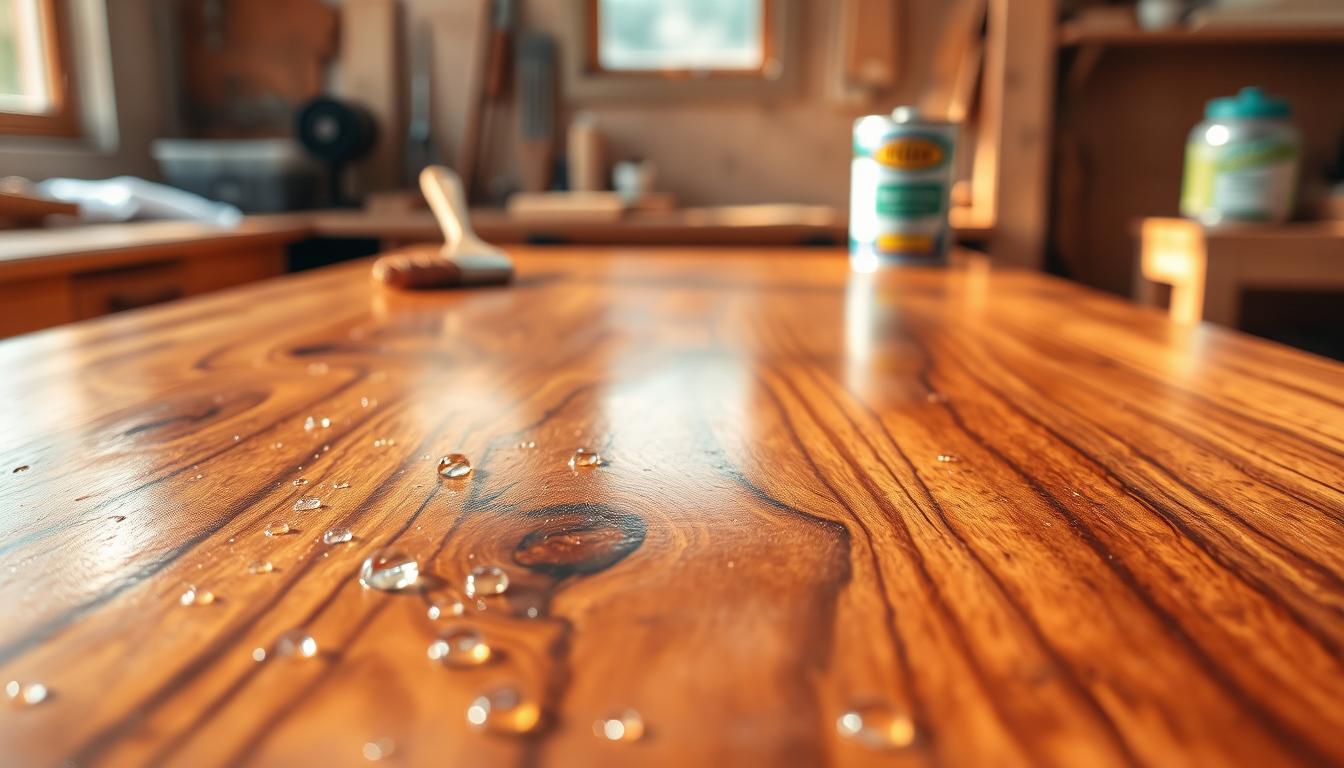
Practical cues to recoat include when water stops beading, sheen looks uneven, or color dulls on the sunniest side. These signs help you act before damage spreads.
Takeaway: a simple maintenance rhythm saves time and keeps your exterior wood looking newer, longer while controlling moisture and biological threats.
Choosing the right size, shipping options, and purchase considerations
Pick the right size and shipping option to avoid delays and mismatched batches on large jobs. Planning ahead keeps color and sheen uniform across connected surfaces.
Available sizes and how to pick
The finish ships in a 4 oz sample can, 1 gallon, and 5 gallon pails. A 4 oz sample helps you confirm clarity and sheen over your stain. A 1 gallon suits small furniture or repairs. Choose a 5 gallon when you need full exterior coverage.
Shipping, availability, and timing
Free shipping applies to 5 gallon pails in the continental USA. When in stock, expect 3–5 business day shipping. If an item is backordered, it ships as soon as it returns to inventory, so avoid tight schedules.
System fit, compatibility, and checkout tips
This clear top coat is designed to follow UV GUARD stain systems and works with most other water-based stains and finishing products. Buying enough from the same batch helps keep color uniform and lowers long-term maintenance cost.
- Sizing guide: sample to test, 1 gallon for small jobs, 5 gallon for large jobs.
- Shipping note: free shipping on 5 gallon pails to the continental USA; plan ahead.
- Troubleshoot checkout: if a page is blocked or checkout fails, try disabling extensions or resolve a blocked extension before assuming the product is unavailable.
Conclusion
Protecting color means combining the right coating with sound moisture control and simple upkeep.
Choose a clear wood finish that offers UV protection for wood, breathability, and water repellency. Match it to your existing water-based stain for best results.
Weatherall UV Guard Advance works best on exterior vertical surfaces. It gives a crystal-clear, satin look and cleans up with soap and water.
Avoid use on high-density, high-oil-content, or exotic woods; those may need specialized oils or systems.
Next steps: test a sample, plan coverage, and set a basic maintenance schedule. Small, regular refreshes keep your wood finish even and vibrant in sunlit spots.