
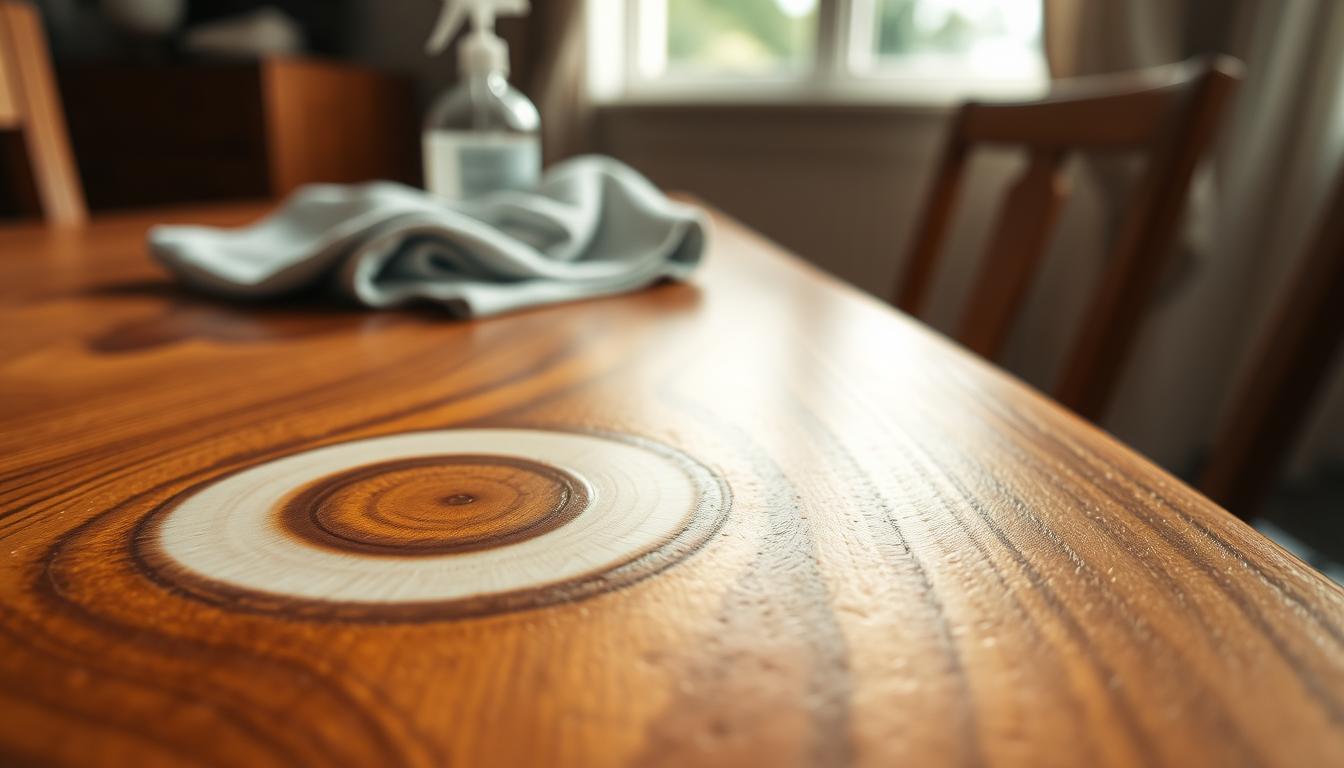
You found a white, cloudy ring on a wood table after a cold glass or spill. That haze usually means moisture sits in the finish, not the wood itself, and quick action makes home fixes easier.
Expect most white marks to be fixable at home, while darker stains may need sanding and refinishing. You’ll try fast, gentle methods first: careful heat and moisture-displacing household options that pull trapped moisture from the finish.
By “fast” we mean some fixes take minutes with a hairdryer or iron, while others need hours or overnight contact to draw the moisture out. You’ll clean the area, test in a hidden spot, and work slowly to avoid more dulling.
Quick checklist: a soft cloth, a dry cloth, mild cleaning supplies, and a heat source. This section sets the plan: identify the mark, prep the surface, use proven methods, skip risky hacks, and know when to call a pro.
What white water rings mean and why they show up on wood surfaces
If a pale haze appears on your table or other furniture, it usually means moisture got trapped in the finish, not the wood itself. White marks are often reversible because the finish, not the grain, has clouded.
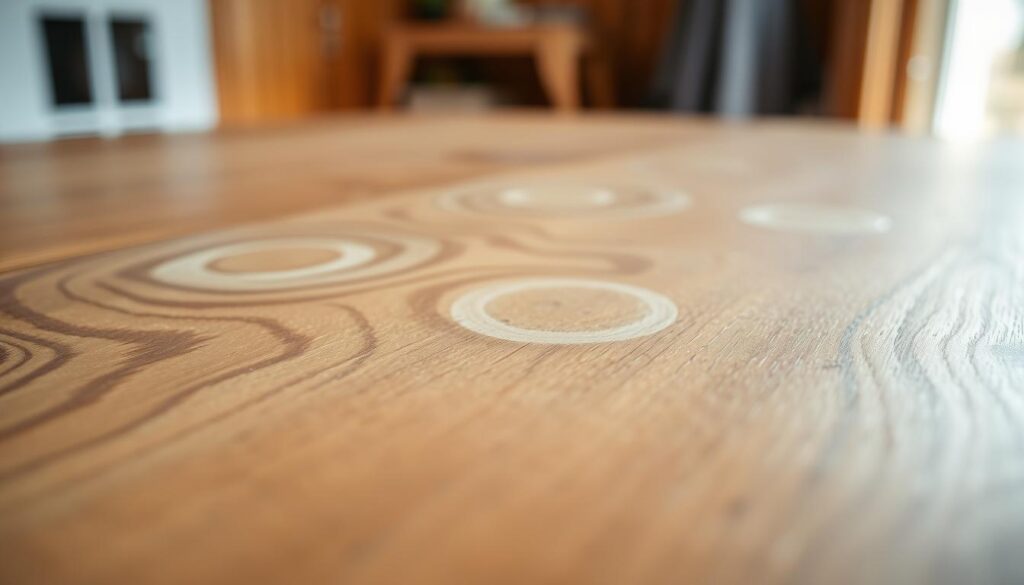
How to read the color: white, milky spots mean moisture sits in the protective layer; dark stains mean the liquid reached the wood fibers and may need sanding or a new stain.
- Finish type matters: polyurethane resists marks best, lacquer can cloud, and shellac or wax show stains more easily.
- Common causes on a table include condensation from cold glasses, heat from mugs, and lingering wetness from planters or spills.
- Even sealed surfaces can show a mark because tiny gaps or micro-scratches let moisture sit beneath the finish.
Knowing whether the stain is in the finish or the wood helps you choose the gentlest fix first and avoid aggressive abrasion until it’s truly needed.
Before you start: prep the area to avoid damaging the wood grain and finish
Take a moment to prepare the surface so your fix won’t harm the finish or grain. Good prep limits spread and keeps your work confined to the mark.
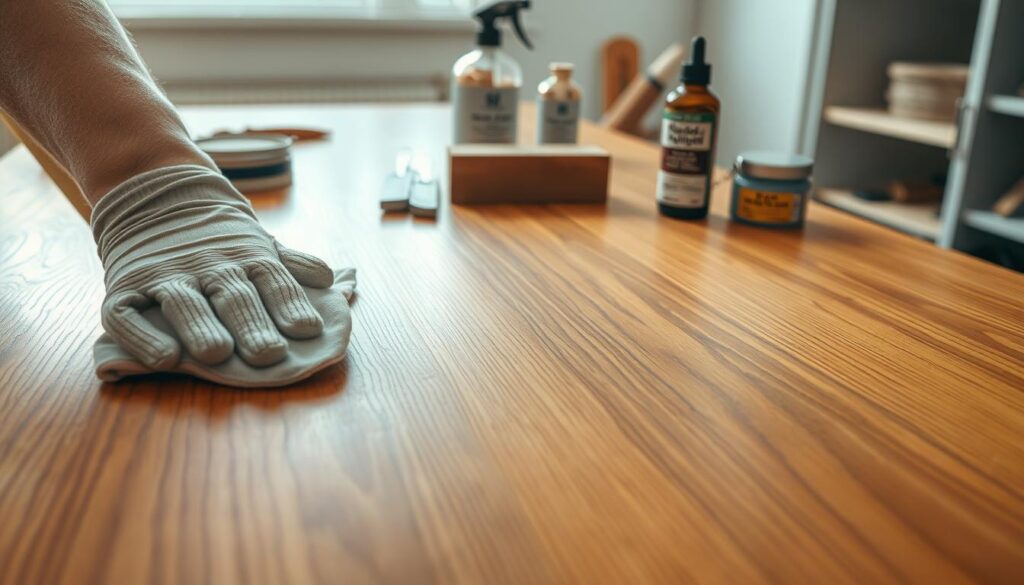
Quick surface prep: clean, dry cloth vs. damp cloth
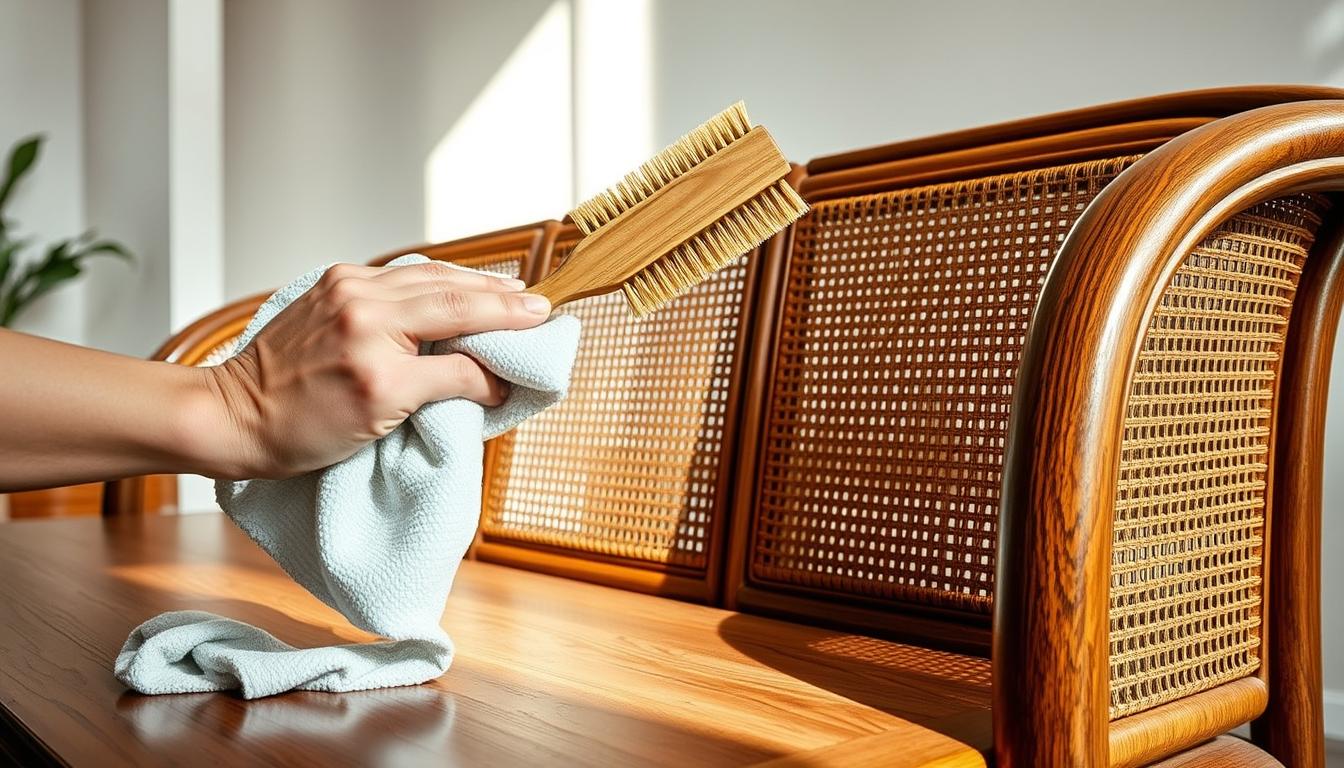
Remove loose dust and grit first. Use a soft, clean dry cloth to wipe the area; rubbing debris can scratch the wood finish.
Only use a slightly damp cloth if sticky residue remains. Minimize added moisture and blot instead of scrubbing to avoid spreading the stain.
Spot-test first: protect the finish before you try fixes
Keep your work restricted to the small area around the mark so you don’t create a larger dull patch.
- Spot-test any solvent (rubbing alcohol, vinegar) on an out-of-sight edge.
- Alcohol can pull out trapped moisture but may soften or strip certain finishes.
- Abrasive pastes and some toothpaste formulas can dull the sheen and expose more wood grain.
Use light pressure, short bursts, and frequent checks. After you fix the mark, plan a light polish or wax to blend sheen and protect the area.
Removing water rings fast: proven methods you can try at home
Start with low-risk fixes that can pull trapped moisture from the finish without sanding. Try the fastest option first and move to gentler chemical or mechanical methods only if needed.
Gentle heat
Use a hairdryer on low or an iron set to the lowest heat with a clean cloth between iron and surface. Keep the heat moving in short bursts of 30–60 seconds, then check the area. This evaporates trapped moisture without blistering the finish when you stay cautious.
Mayonnaise
Apply a small amount with a soft cloth and spread over the mark. Let it sit 2–3 hours or overnight for tougher cases. Wipe away fully and buff to restore sheen; mayonnaise oils displace moisture but can darken thin finishes slightly.
Petroleum jelly
Coat the stain, leave overnight, then wipe away and polish. Vaseline hydrates and blends the finish while pulling moisture into the jelly.
Baking soda paste and toothpaste combo
Mix a teaspoon of baking soda with minimal water to make a paste. Rub gently in a circular motion and stop when you see improvement. For stubborn spots, mix a bit of non-gel toothpaste with baking soda, buff with the grain, then wipe clean and apply a light polish.
Olive oil + vinegar
Mix olive oil and vinegar in equal parts, dampen a cloth (don’t soak), work the area lightly, then dry-buff. This conditions the wood and cleans without over-wetting the surface.
#0000 steel wool and commercial products
For tough stains, rub very lightly with extra-fine steel wool along the wood grain, then re-polish or re-wax. If DIY methods stall, consider an OTC spot remover or wax for consistent results on table tops and furniture.
- Quick checklist: soft cloth, mild paste, low heat, and patience.
- Spot-test before any method and work slowly to protect the finish.
Methods to avoid and when DIY won’t be enough
Not every quick fix is safe; some household tricks can make a small mark into a big repair. Work slowly and stop if the finish dulls or the stain spreads.
Why toothpaste alone can cause more damage
Toothpaste may look like a mild abrasive, but it often leaves a tacky residue. That sticky layer needs extra cleaning and can force you to add moisture.
That extra moisture risks worsening water stains and dulling the finish. Abrasives in toothpaste can also create uneven sheen and visible damage.
Why denatured alcohol ‘burn’ methods are risky
Burning with denatured alcohol can haze the surface and fail to remove rings. Tests show it can make a white haze worse, even on cured polyurethane.
When sanding and refinishing are the realistic next step
Dark stains usually mean moisture reached the wood fibers. Topical fixes rarely help.
Sanding to bare wood and refinishing the table is often the only reliable option for deep stains.
When to call a professional
- High-value or antique furniture where a mistake reduces value.
- Delicate or matched finishes that need color and sheen expertise.
- Large or recurring stains after failed household methods.
Pause DIY if you see haze, widened dullness, or new discoloration. A pro can prevent further damage and restore a uniform finish.
Conclusion
A cloudy mark on a dining table most often sits in the finish and responds to gentle home fixes.
Start small: prep the area, test in a hidden spot, then try gentle heat. If that fails, use mayonnaise or petroleum jelly next. Only then consider mild abrasives like extra-fine steel wool.
Work with a soft cloth barrier and keep action confined to the stained area. Stop as soon as the stain fades to avoid changing the surrounding sheen.
When the mark is gone, buff with a clean, dry cloth and consider a light wax. Protect your wood surface with coasters and wipe condensation promptly. If a dark stain appears or haze develops, move to refinishing or professional help to preserve the piece long-term.