
Winter heat dries indoor air, and that change quietly harms your pieces. In cold months, low humidity pulls moisture from timber, causing shrinkage, gaps, and surface cracks. You often spot this first on tabletops, cabinet doors, or floors.
This short guide shows what falling humidity does to wood furniture and how to stop damage before it starts. You will learn how to measure indoor humidity, choose the right device for your rooms, place it safely, and keep it maintained.
Think of the goal as stability, not maximum moisture. Stable conditions protect finish and joints and create a healthier environment for your pieces. Follow simple steps and you can keep your collection looking its best through the season.
Why winter indoor air puts your wood furniture at risk
Cold indoor heat strips moisture from timber, and that slow loss shows up as gaps and cracks.
Winter heating lowers indoor humidity, and dry air draws moisture from any porous material in your home. Since wood is living and seeks balance with the surrounding air, it shrinks as it loses moisture.

How dry air pulls moisture from wood and triggers shrinking and gaps
As moisture leaves, joints tighten and panels pull away. You may spot small gaps at seams, drawer fronts that catch, or narrow spaces between floorboards after time.
Common damage you can see: cracking, splitting, warping, checking, and cupping
Look for visible failures: surface cracking, deep splits, warped panels, fine checking in veneers, and cupped boards on floors. These problems often become permanent and costly to repair.
Why rapid humidity changes stress wood more than you think
Wood expands with moisture and contracts when it dries. Sudden swings in indoor humidity force quick movement across the grain, which stresses glue lines, joints, and finishes.
- Finish limits but doesn’t stop: sealed pieces still exchange moisture slowly.
- Slow, steady conditions help: gradual control avoids split or warped panels.
- Prevention saves repairs: stabilizing humidity is easier than fixing permanent damage.
Humidifiers and wood: the ideal indoor humidity levels to protect furniture
Keeping indoor moisture steady prevents the small movements that lead to gaps and finish problems. Aim for a practical target range rather than a single number.
Practical target: generally keep relative humidity near 30–50% in most homes. Where laminate, adhesives, or high-quality finishes matter, a 40–60% band can improve adhesion and dimensional stability.
Measure with a hygrometer placed away from vents and not directly next to the unit. Track levels by room—bedrooms, basements, and living rooms often differ—and log readings over several days.
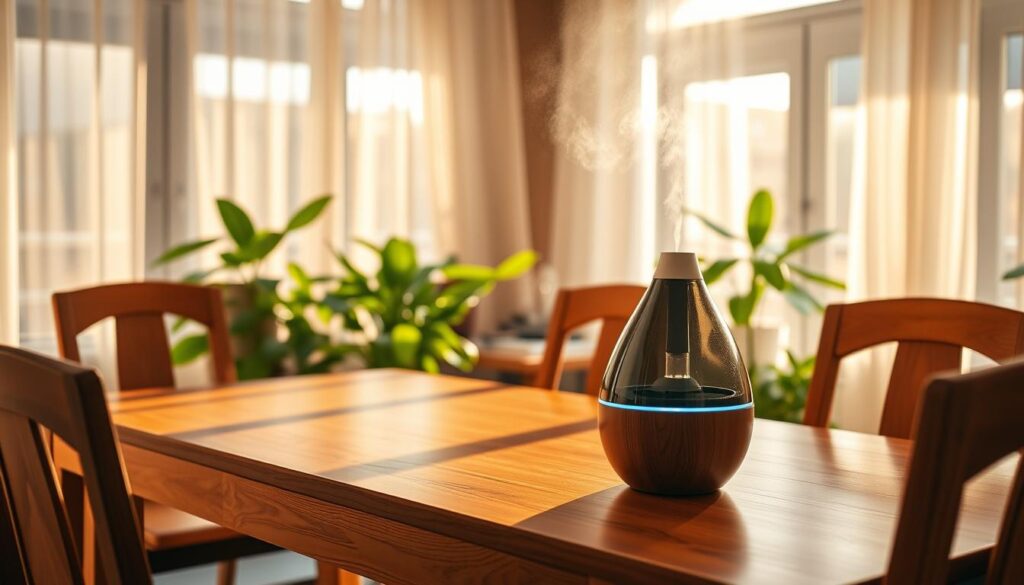
What to watch for and what to adjust
- Too low: static shocks, dry skin, widening seams—raise output or reduce thermostat setback.
- Too high: window condensation, musty smells—lower output and improve ventilation to avoid mold.
- HVAC tips: run the fan periodically, avoid large temperature setbacks, and close doors to isolate rooms when needed.
Don’t chase a single number if it causes condensation. Prioritize stable indoor humidity levels that protect finishes and preserve overall quality of your pieces.
Choose the right humidifier for your home, space, and rooms
Pick a device that fits how you use each room. Different systems add moisture in different ways. Your choice affects control, cleanup, and how safe levels stay near furniture and finishes.
Evaporative, ultrasonic, and steam systems
Evaporative units use a fan and wick. They tend to self‑regulate as humidity rises, so they are safer for steady levels.
Ultrasonic models make a fine mist and run quietly. They work well in living areas, but may scatter mineral deposits if you use tap water.
Steam or warm‑mist units raise humidity fast. They are effective but need careful placement to avoid hot spots and surface condensation.
Portable, console, and whole‑home options
For a single room, a portable unit is economical. For larger open spaces choose a console model with higher output.
If you want consistent control across homes, consider an HVAC‑integrated system. Whole‑home systems balance levels in multiple rooms with less daily fuss.
Must‑have features and sizing
- Built‑in humidistats hold a setpoint.
- Auto shutoff prevents over‑humidifying when tanks run low.
- Adjustable output and easy‑clean parts reduce buildup in tanks and parts.
Size units to room square footage. Too large a product can push levels high and risk cupping or warping. Choose a model rated for your space and plan for winter storage by picking one you can dry and clean before storing.
Set up your humidifier to protect wood furniture, floors, and finishes
Correct setup prevents puddles, finish haze, and mineral buildup that harm floors and furniture.
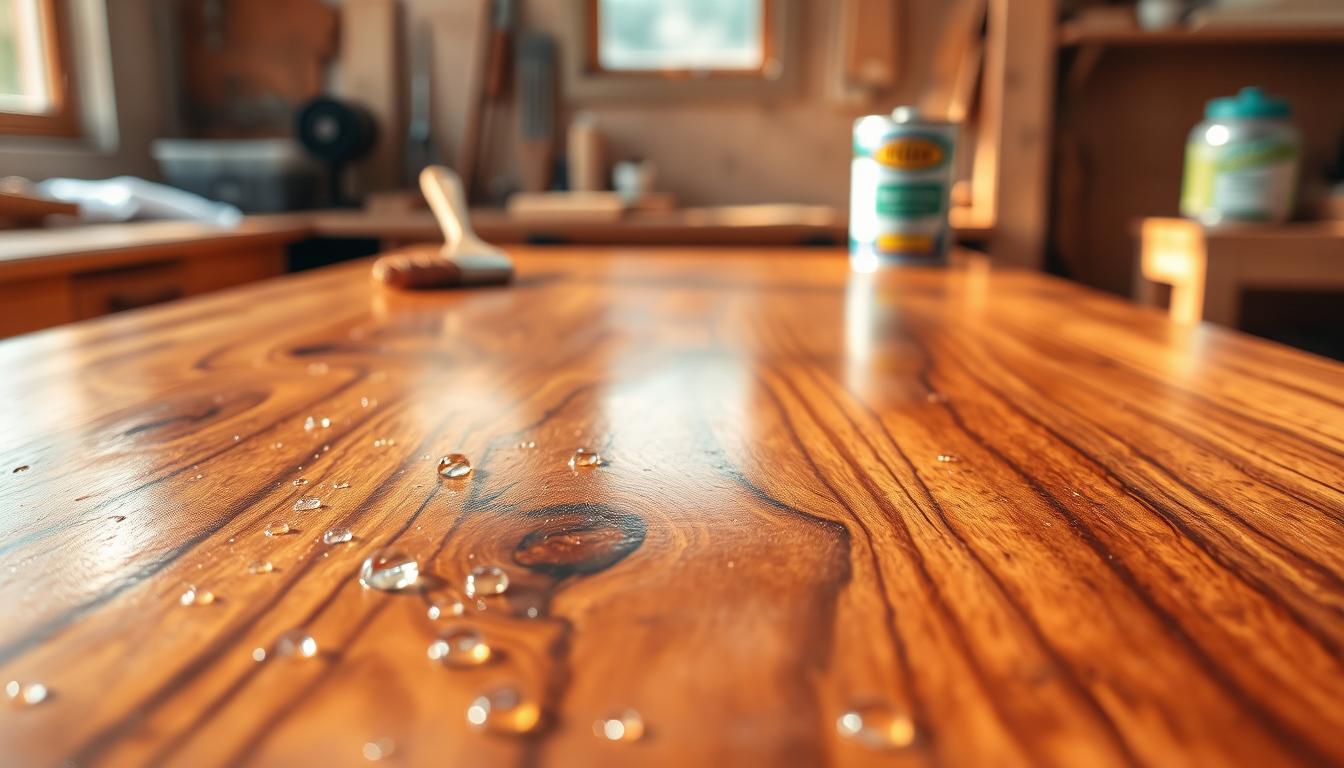
Place the unit on a stable waterproof mat or tray that extends about 12 inches beyond the base. This guards floors from spills, condensation, and slow leaks during refills or bumps.
Safe placement rules
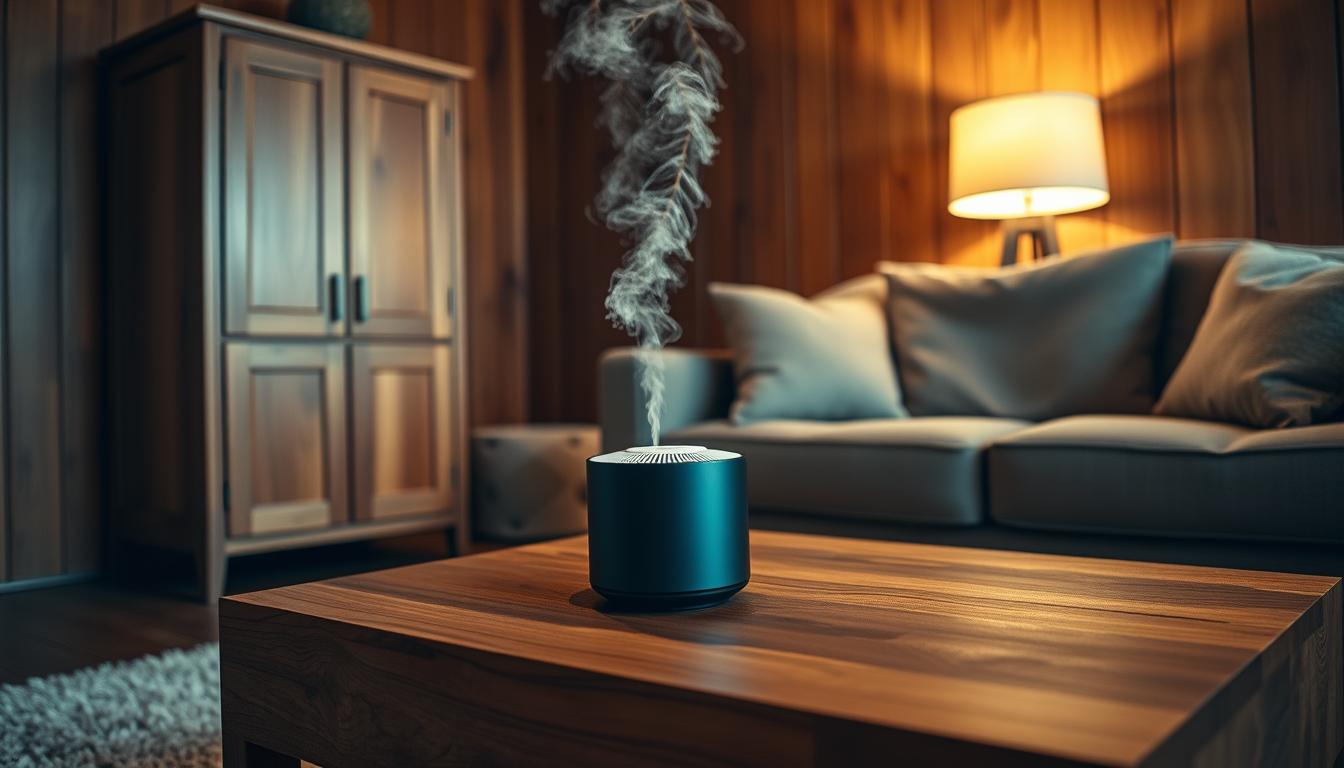
Keep the device roughly 2–3 feet away from any finish or wooden surface when possible. Concentrated mist or direct contact causes localized swelling, discoloration, or finish haze.
Use mats and trays
Choose trays rated for standing water and place them under the unit on hard floors. If a tank tips or a seal fails, the extra coverage prevents staining and mold growth.
Prevent mineral “white dust”
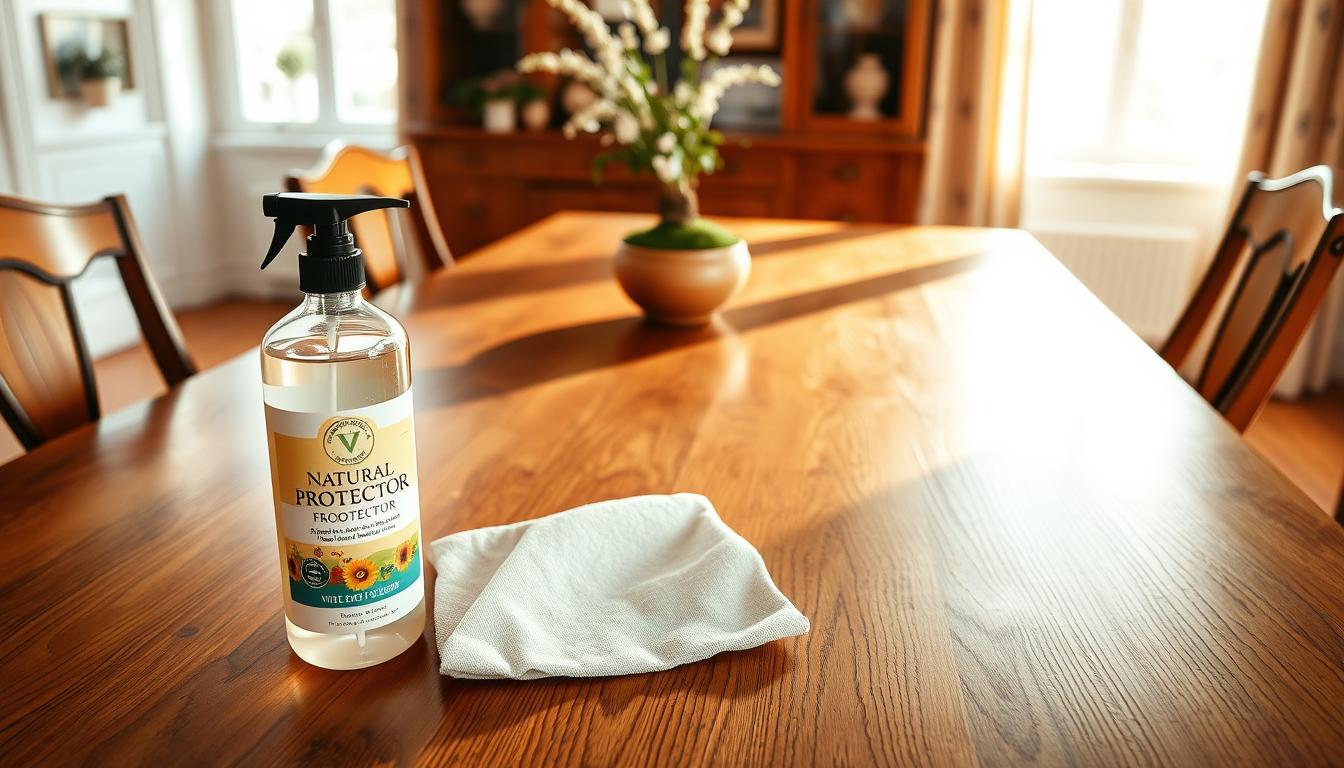
Tap water can leave fine mineral residue on finishes that increases cleaning frequency and dulls shine. Use distilled water when your model tends to produce dust, and prefer evaporative units for lower residue in living areas.
- Keep airflow: avoid corners where mist can settle.
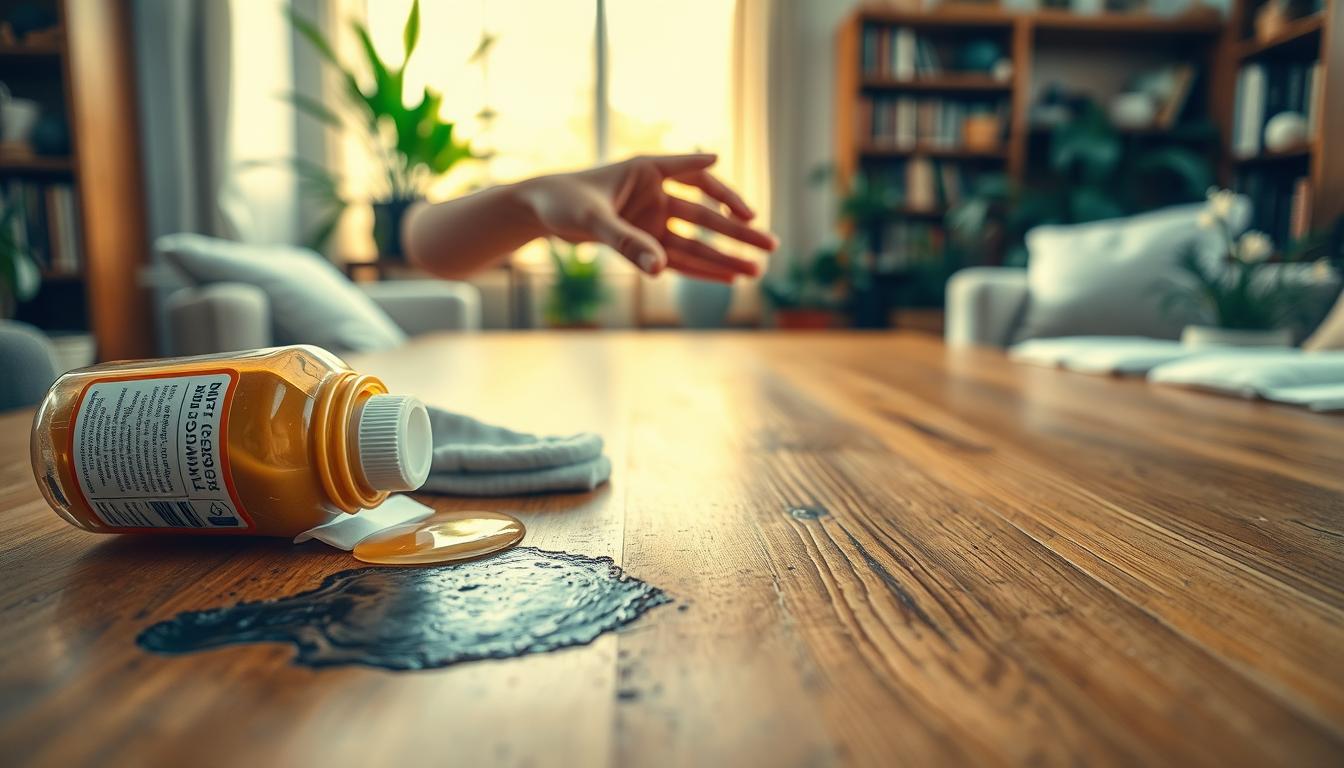
- Wipe spills fast: even small amounts of standing water can cause serious floor damage.
- Choose wisely: unit type affects how much residue lands on surfaces.
Proper placement protects both your floors and indoor air by preventing moisture hotspots and unnecessary cleaning needs.
Maintain stable humidity over time without causing moisture problems
A predictable maintenance plan keeps your home’s moisture in a safe band through cold months. Small, regular steps protect finishes and joints and avoid sudden changes that cause damage.
Daily routine: simple checks and small adjustments
Check humidity levels every day or every other day with a hygrometer. Refill tanks on a schedule and make small output changes instead of large swings.
Watch for signs of excess humidity: window condensation, damp smells, or a clammy feel. These warn you to lower output before floors or furniture expand.
Cleaning and filter changes to reduce buildup and growth
Empty and refresh tanks regularly. Perform weekly cleaning to stop mineral buildup and bacterial growth.
Replace filters or wicks per the manufacturer’s schedule to keep the unit efficient and to protect finishes from residue.
When to dial back or use dehumidifiers
Reduce humidification when outdoor moisture rises or heating use falls. If indoor humidity climbs above safe levels, consider dehumidifiers in rainy seasons or humid regions.
- Daily checks prevent slow problems.
- Weekly cleaning limits mineral deposits.
- Seasonal changes mean adjust or switch to dehumidifiers when needed.
Conclusion
Your best defense against cracks and gaps is a measured approach to indoor humidity.
Keep humidity levels steady through winter to prevent shrinkage, cupping, and other moisture-driven damage to furniture and floors.
Measure first with a hygrometer. Pick the right unit size for each room and place it on a waterproof mat at a sensible distance from finishes.
Maintain tanks, clean filters, and make small adjustments rather than big swings. These steps preserve finish appearance and overall quality over time.
Quick action plan: buy a reliable hygrometer, choose a proper device for room square footage, follow a cleaning schedule, and monitor levels as conditions change so your pieces stay beautiful for years.